ergo: “Are finely wrought, and by the Artists sold, / Whose touch turns every Metal into Gold”
“It’s as though the artist is literally trying to deconstruct the avant garde tradition in which he was trained to find a point of contact with popular history.”
– Terry Grimley, Birmingham Post
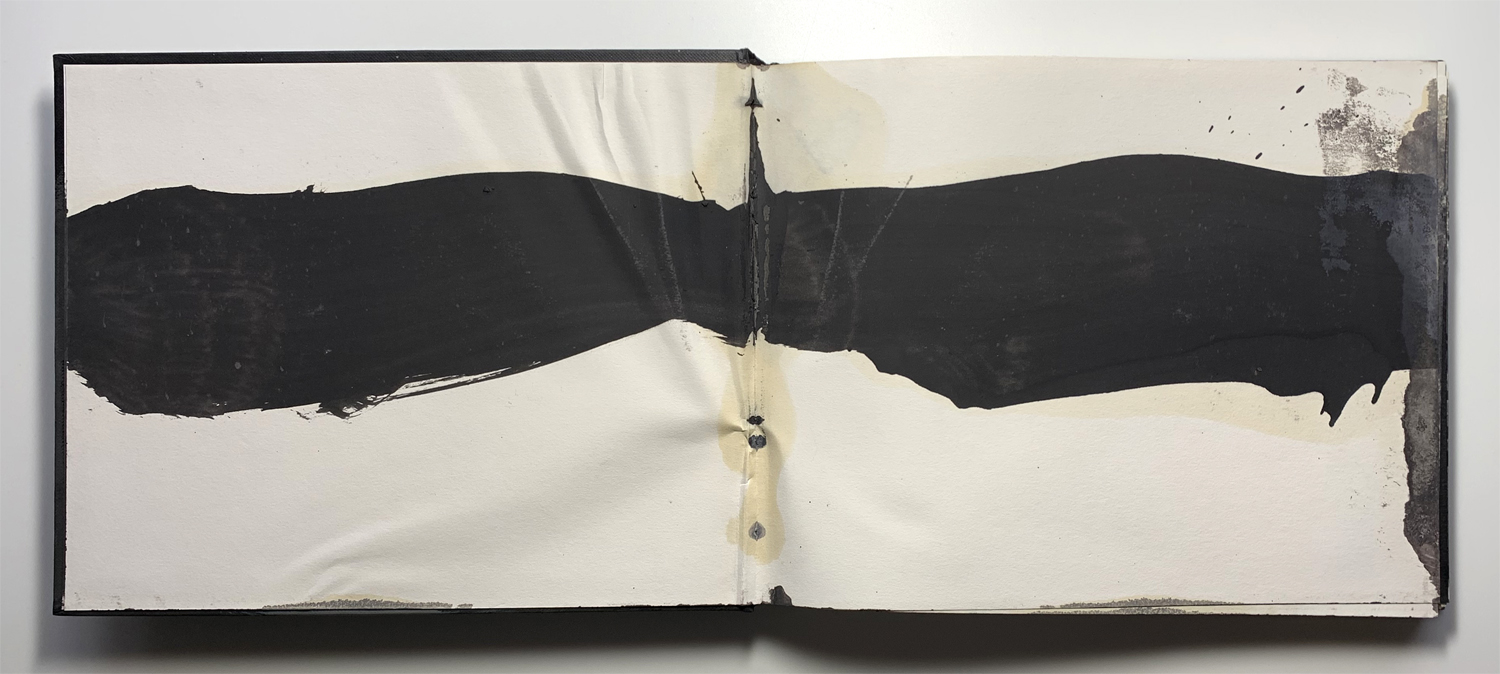

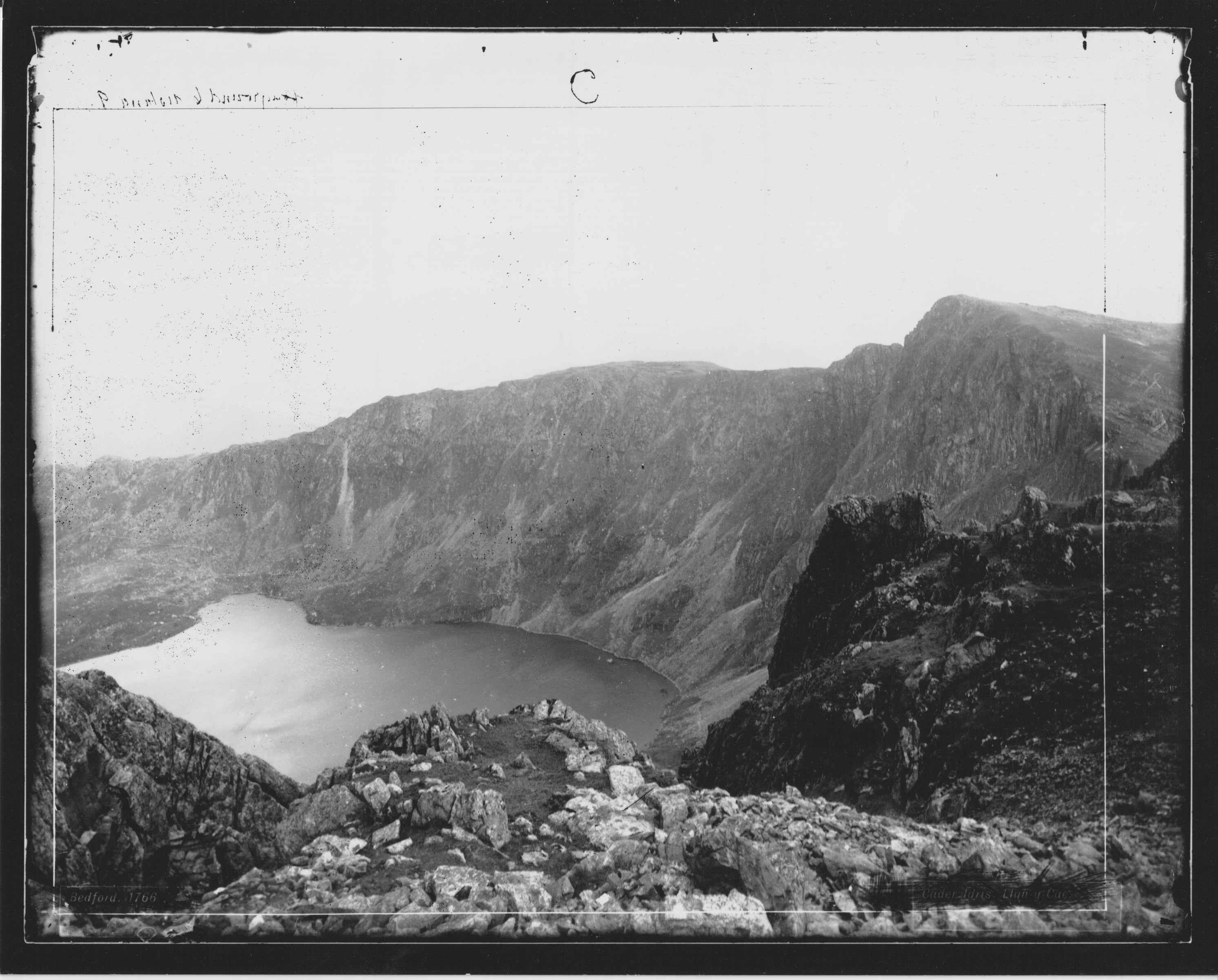
The Bedford Collection, City of Birmingham Reference Library (1987)

Screenprint, 1987

“The first stage in this undertaking will be to carry over the principle of montage into history. That is, to assemble large-scale constructions out of the smallest and most precisely cut components.”
– Walter Benjamin: Das Passagen-Werk (The Arcades Project)

1989 Ikon Gallery, Birmingham

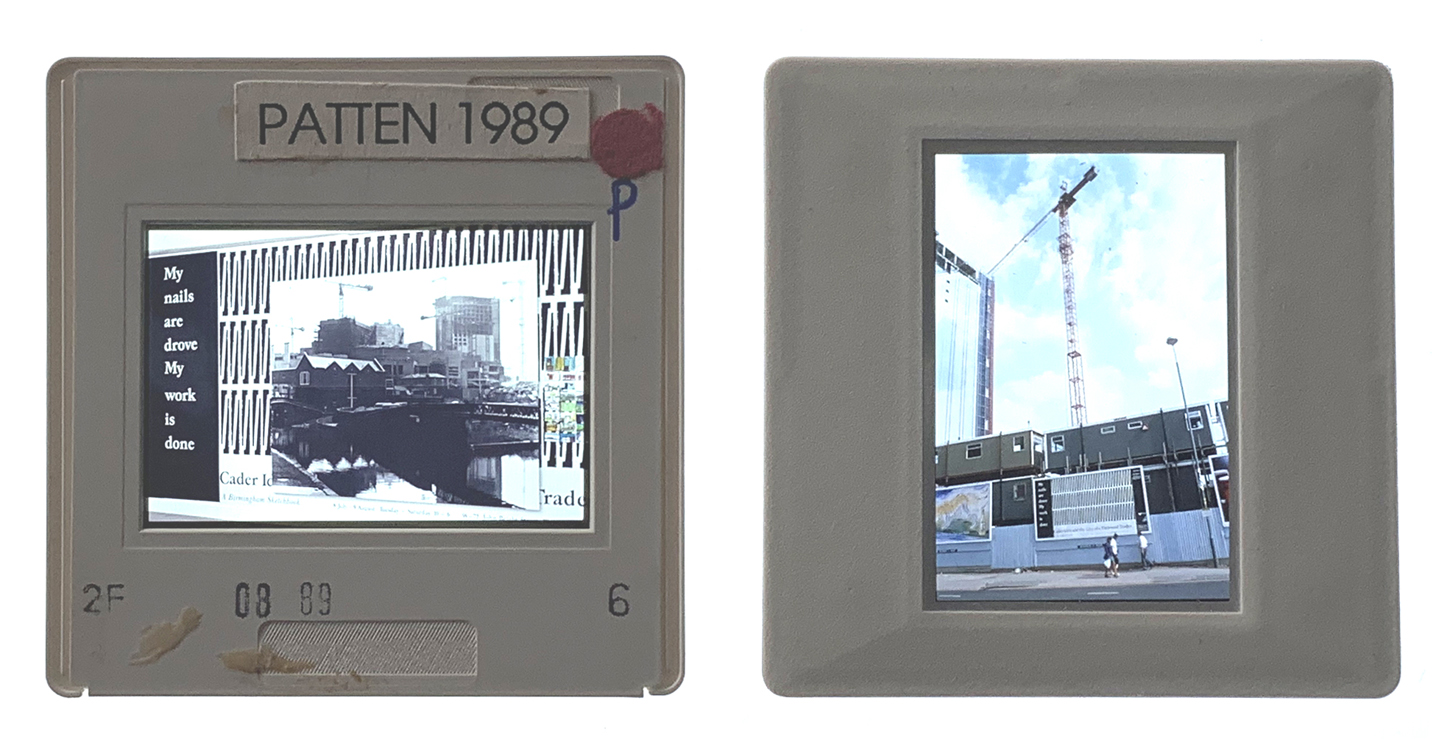


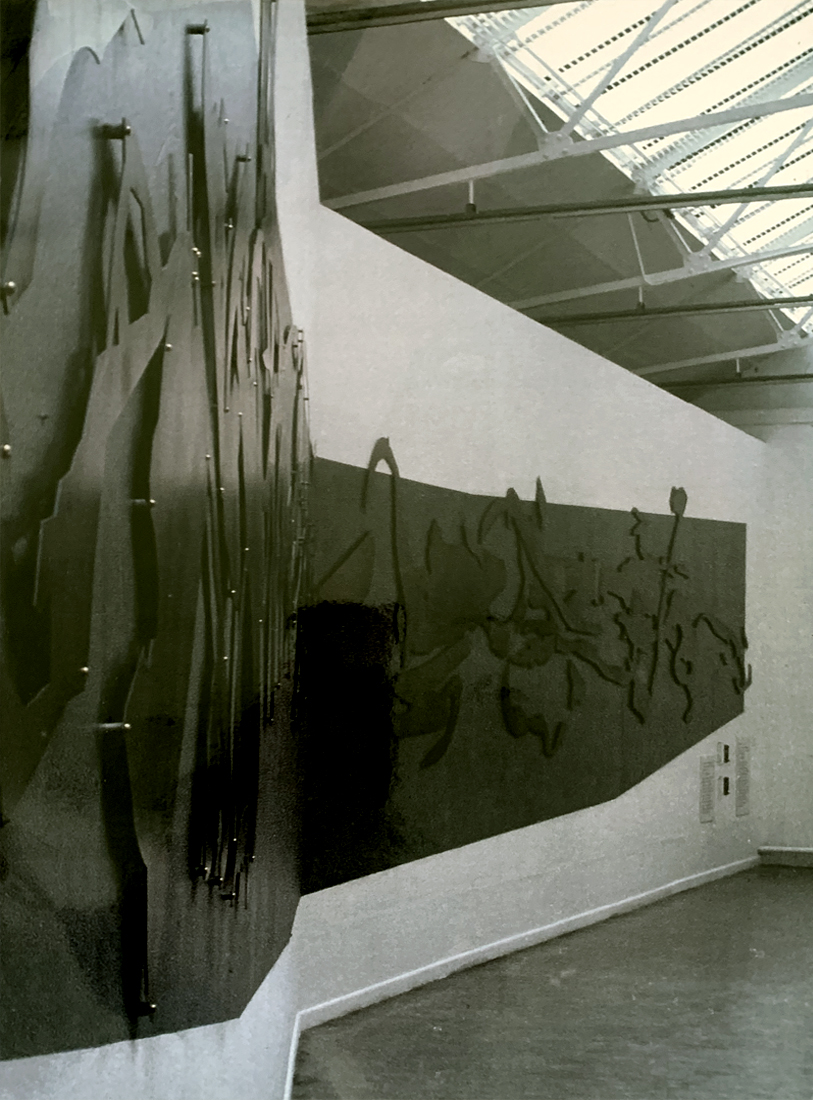
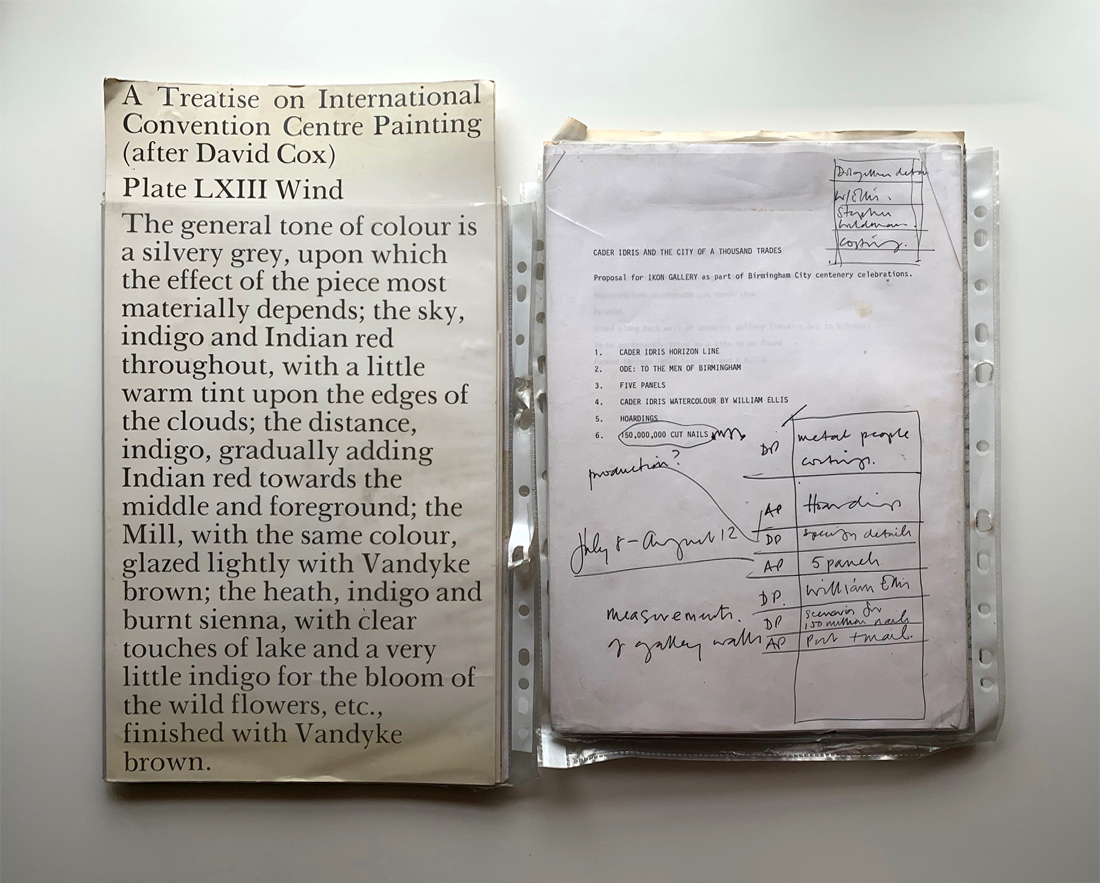

Study for ‘Monument to John Baskerville’, laser-cut steel, Ikon Gallery, Birmingham, 1989
“…a Victorian Society of Artists exhibition catalogue is positioned adjacent to a towering brass triptych at the base of which the word ‘ergo’ has been immaculately embossed.”
– Duncan Hadfield, Architects Journal, 12 August 1989


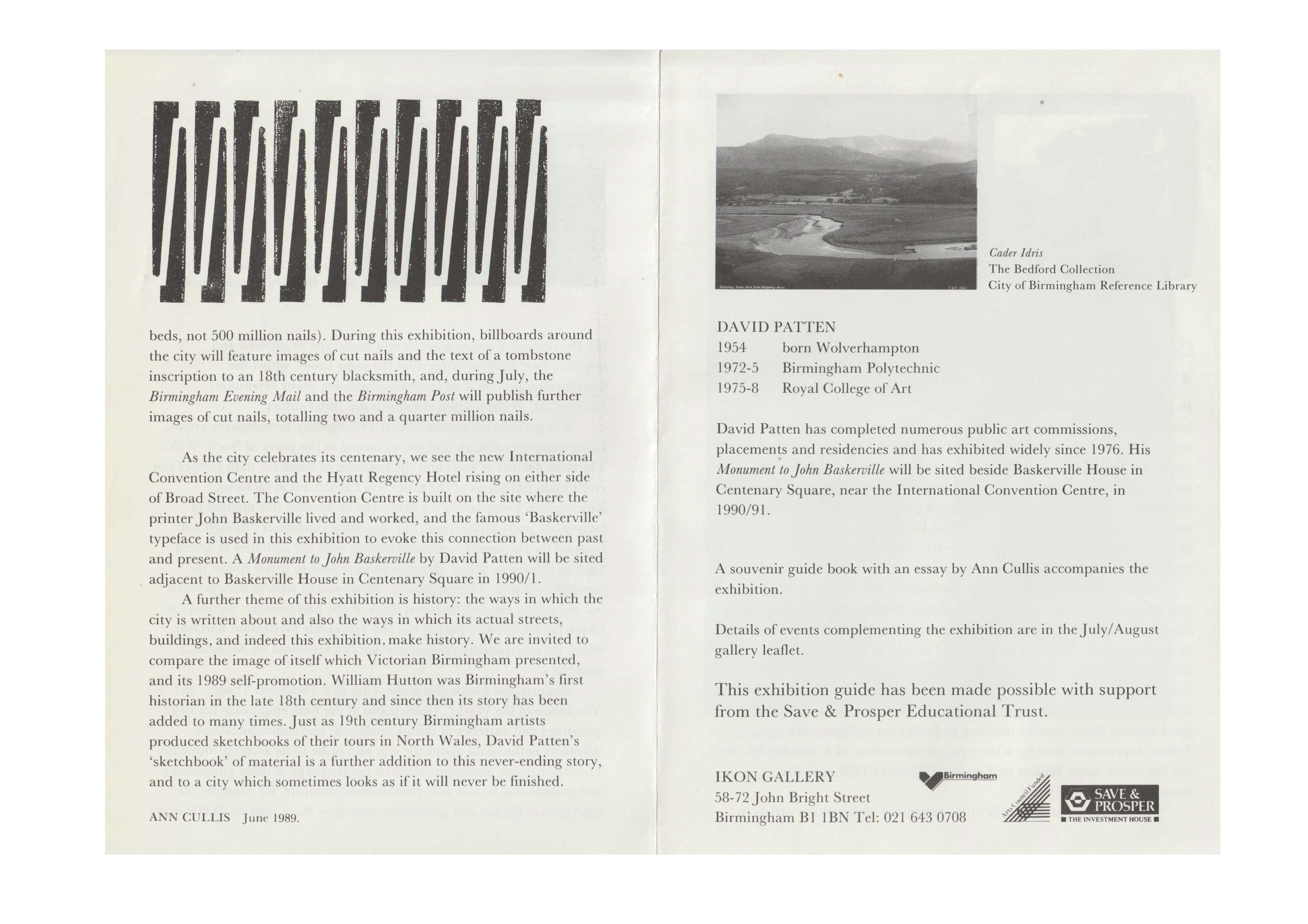
Exhibition Guide | selected pages


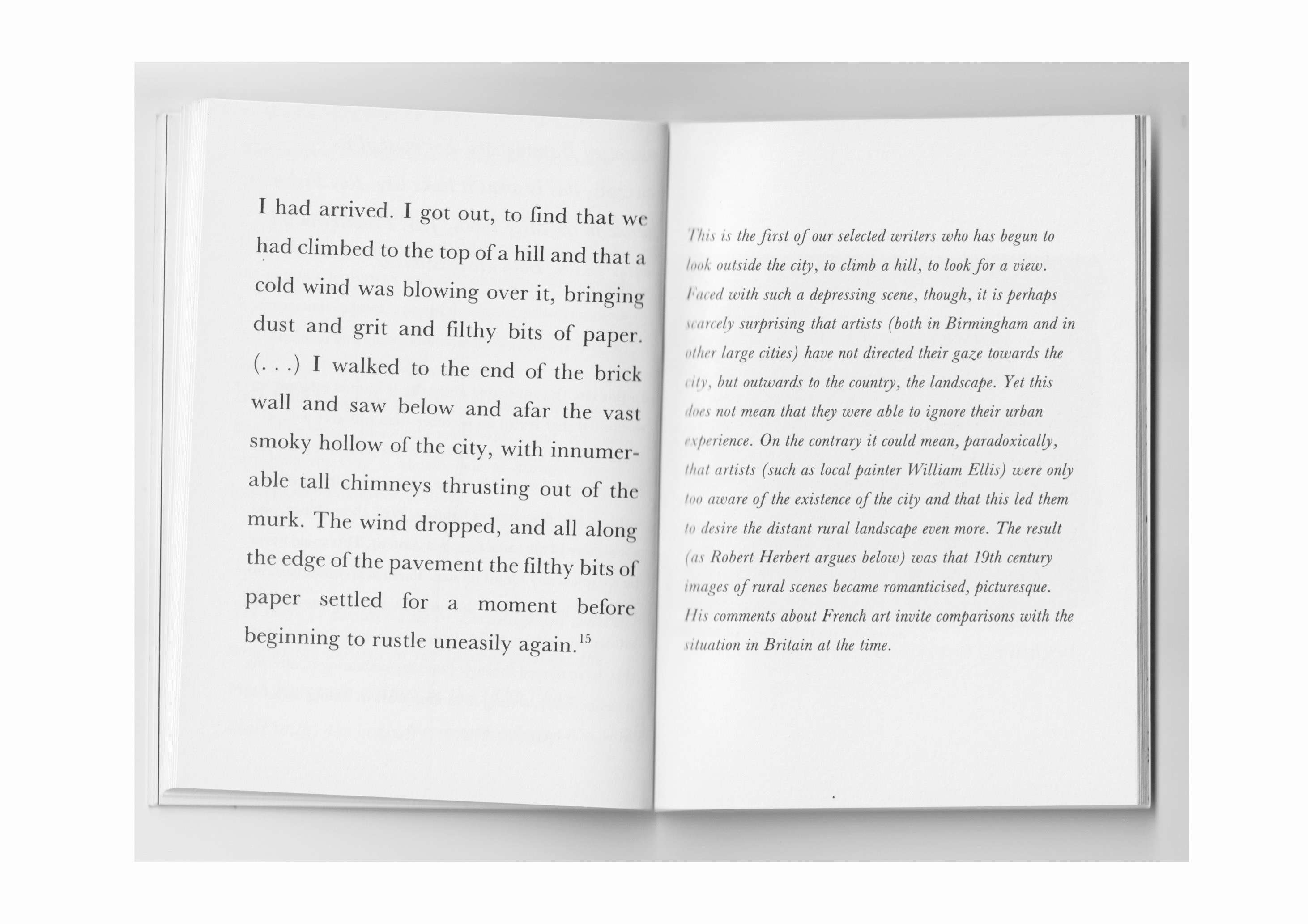
Catalogue | selected pages


1990 Sketchbook (David Cox)
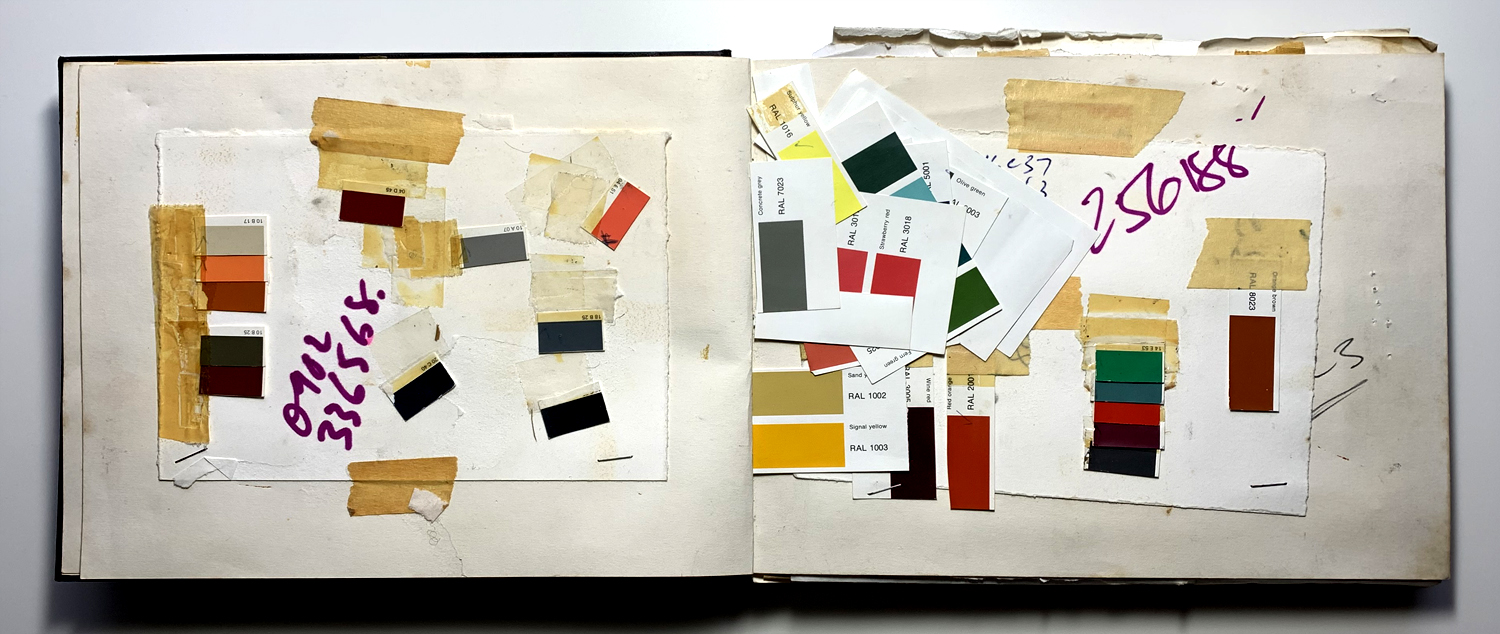


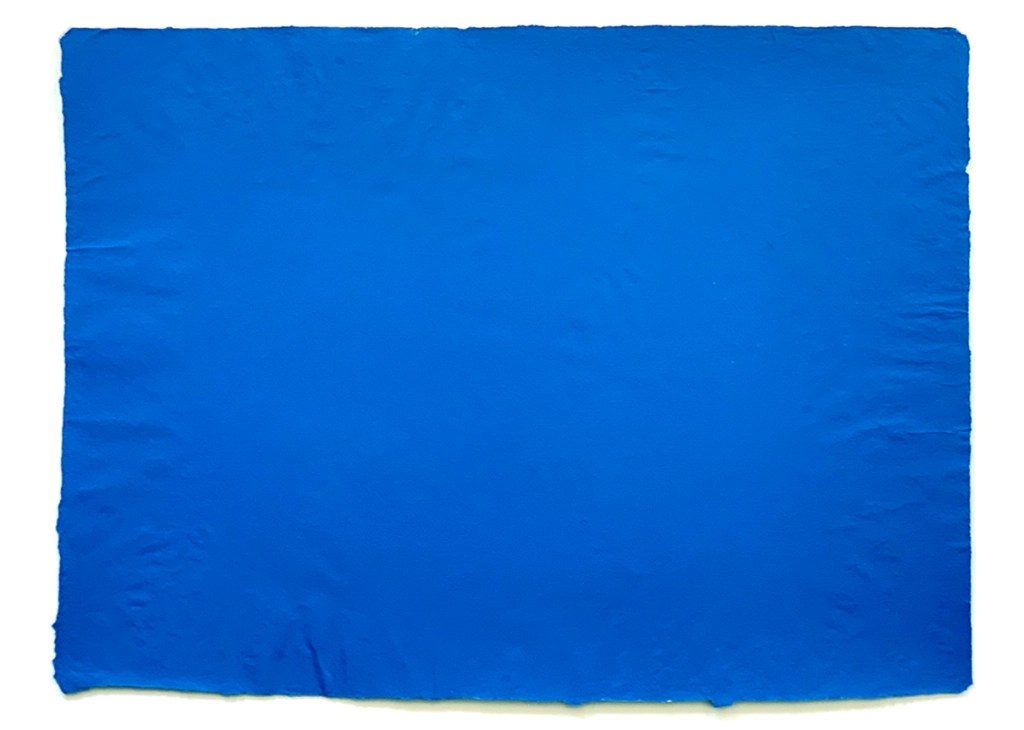
1990 ‘Screenprinted Hand-Made Papers’

1990 ‘Cader Idris – Horizon Line’, Central Lending Library, Birmingham

Colour Study, 1990
Paradise Place
CENTRAL CITY
Birmingham Central Reference Library, rear exterior wall facing Congreve Passage
Cader Idris, Wales [‘Cader Idris – Horizon Line’]
David Patten, 1990
Coloured strips of steel, 200cm high x 3000cm wide [incorrect]
Inscribed on accompanying plaque: Descending a hill of eminence, I had a full view, under a bright sun, of Cader Idris. If I was asked what length would be a line drawn from the eye to the summit? I should answer, “To the best of my judgement one mile.” I believe the space is more than five; so fallacious is the vision when it takes in only one object, and that elevated.
William Hutton 1803.
Status: not listed
Condition: good
Owned by: City of Birmingham [currently in storage at Birmingham Museum & Art Gallery].
This piece was a direct outcome of a show at the Ikon Gallery in 1989, which was to mark Birmingham’s centenary. The choice of subject matter came from the exhibition of a William Ellis painting of Cader Idris at the RBSA in 1889, which was included in the Ikon show. In Patten’s piece, the low relief of abstract coloured shapes of steel evokes the landscape around Cader Idris in Wales, with its peaks, valleys, lakes, greenery and rock. Lightening up what would otherwise be a dull façade of the library, Patten’s shapes conjure up a space without perspective, particularly apt in relation to William Hutton’s quote which is mounted on a plaque nearby. One of the city’s first local historians, Hutton (1723-1815) was a promoter of the industrial landscape of Birmingham, which contrasts with the landscape of north Wales, a popular destination in the 19th century for Birmingham tourists. Artists, too, often sought inspiration not from their immediate city environment but from the romantic landscapes of Wales. Patten’s piece similarly derives inspiration from a source removed from his immediate environment, a drawing by the abstract expressionist Willem de Kooning, Woman (1963), which forms the basis for his deconstruction of the Cader Idris landscape. Patten said of this piece, “It aims to provide an image, which, through its colour and gestural form, creates a counterpoint to most city centre images.” As with many public art schemes in Birmingham, this one has had its share of controversy, accused by some of resembling graffiti.
– George T. Noszlopy: ‘Public Sculpture of Birmingham: 2’ (Public Sculpture of Britain), Liverpool University Press, 1998
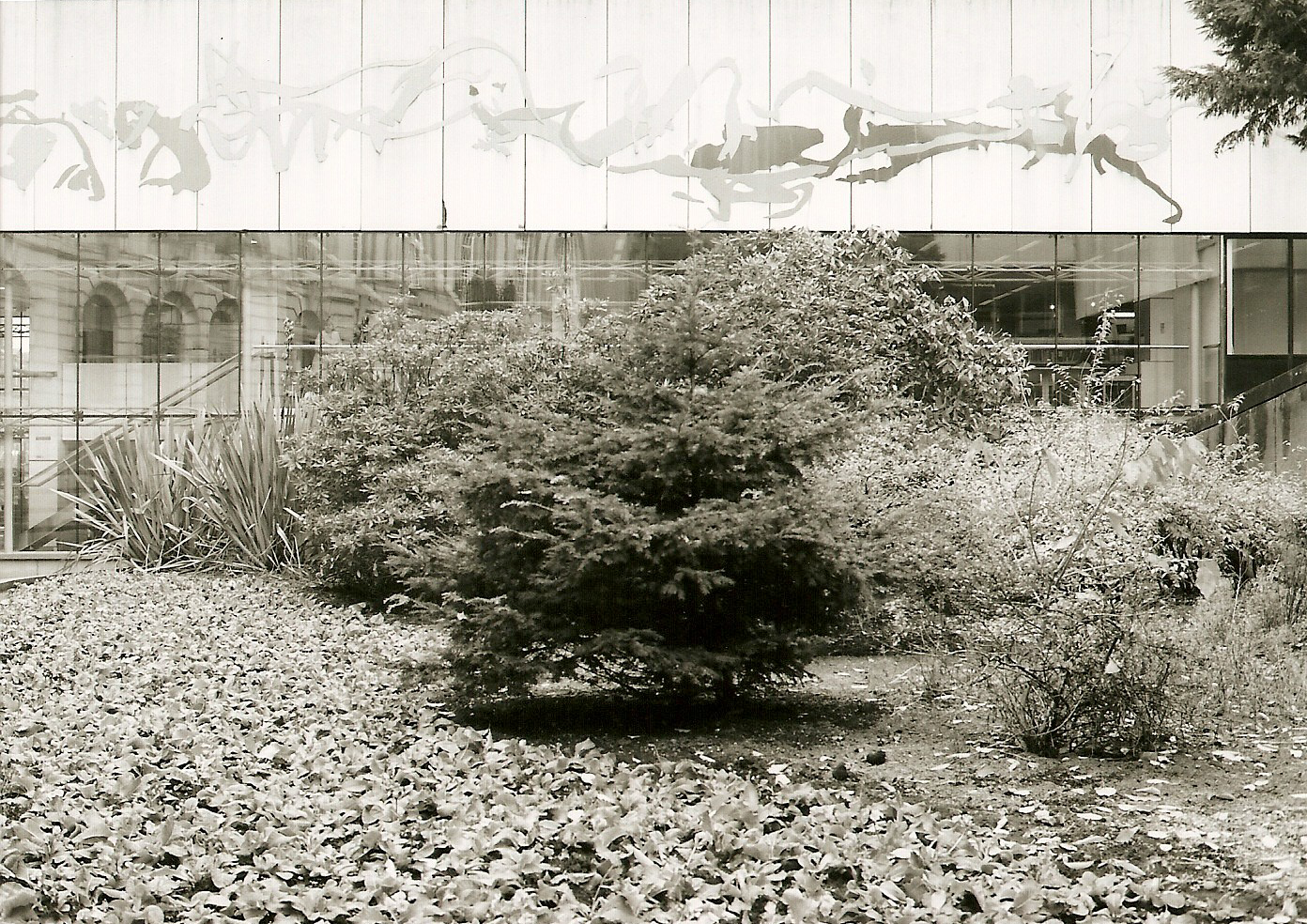

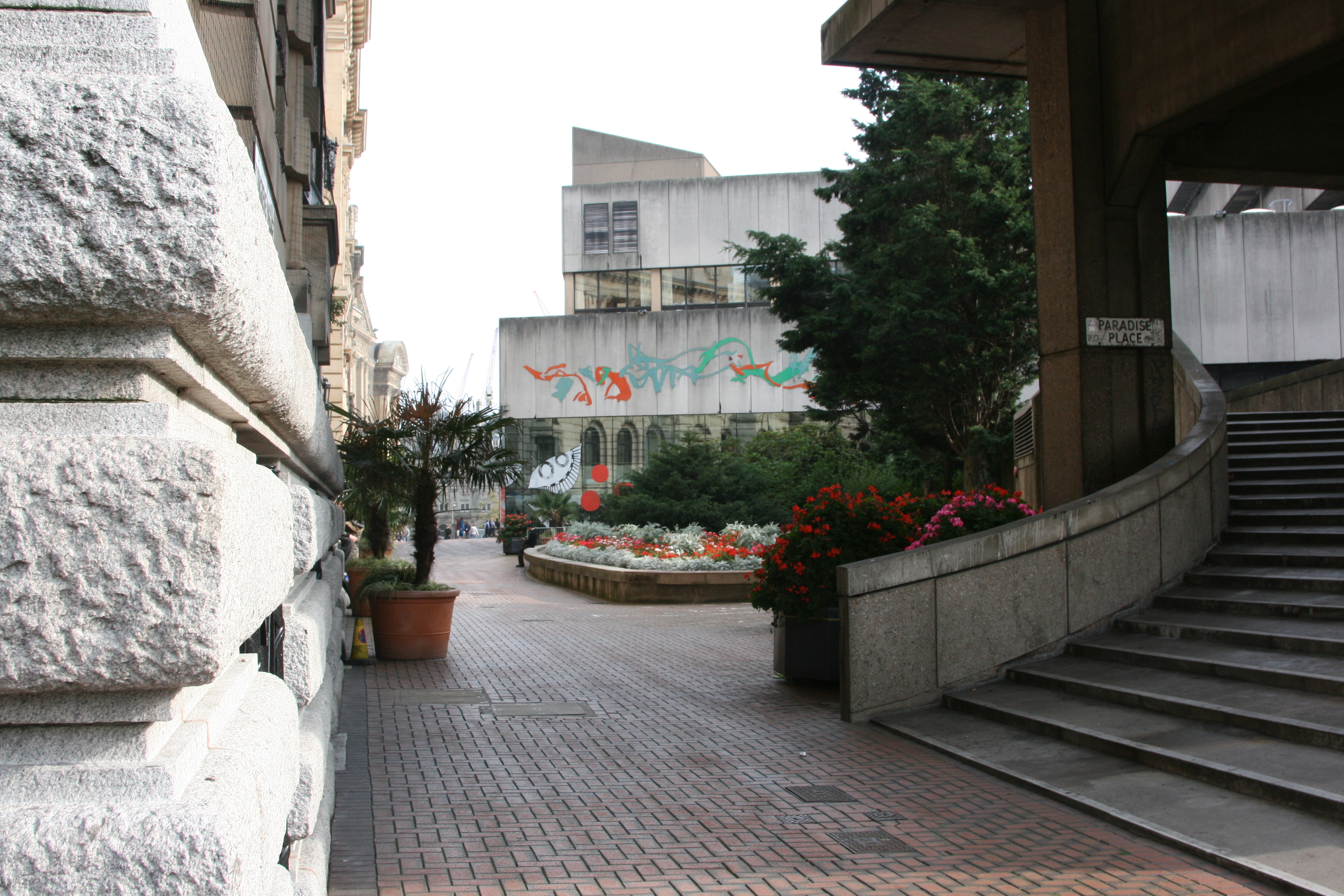


2013 Paradise Circus, Birmingham | Architects’ Journal & Argent Design Charrette

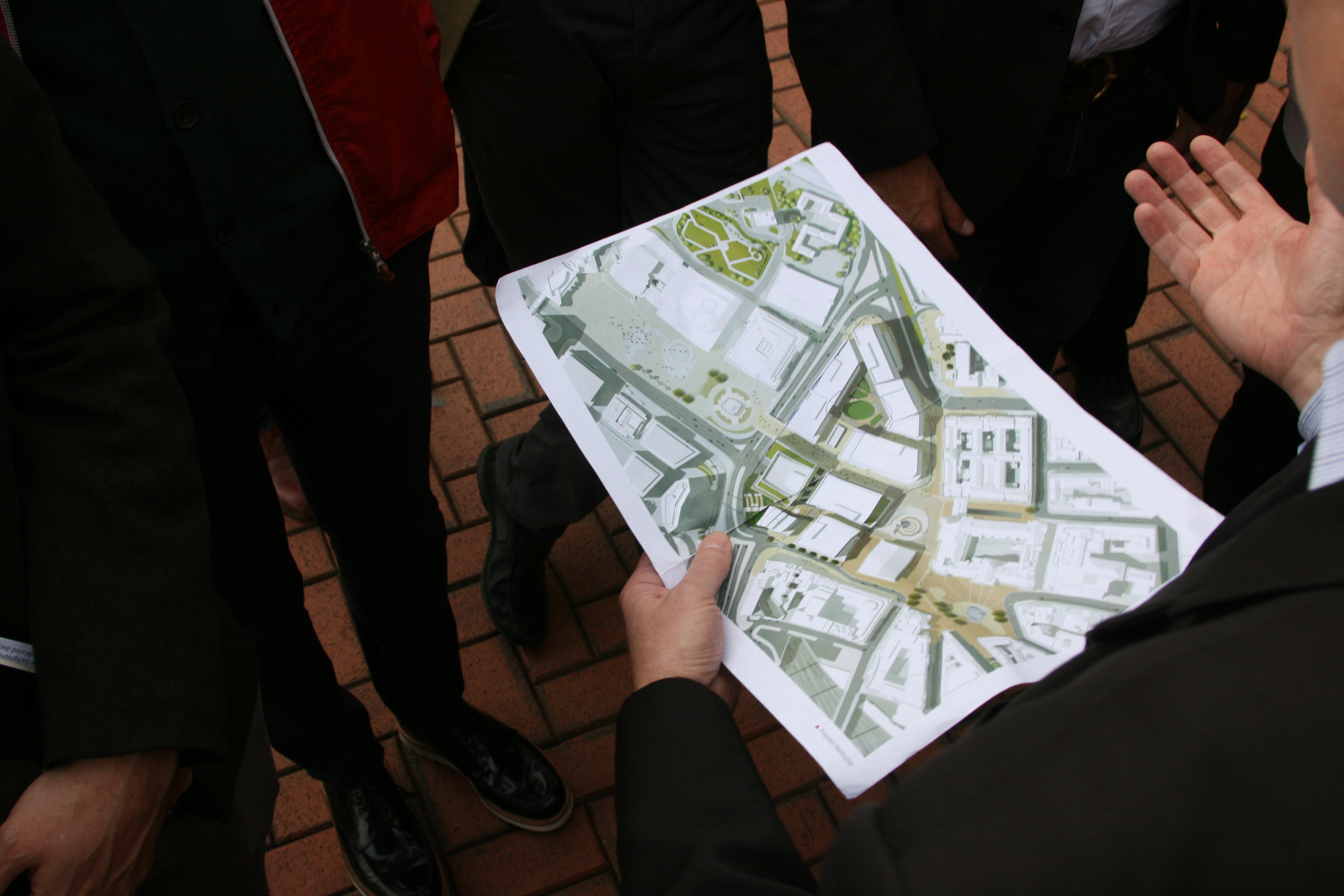
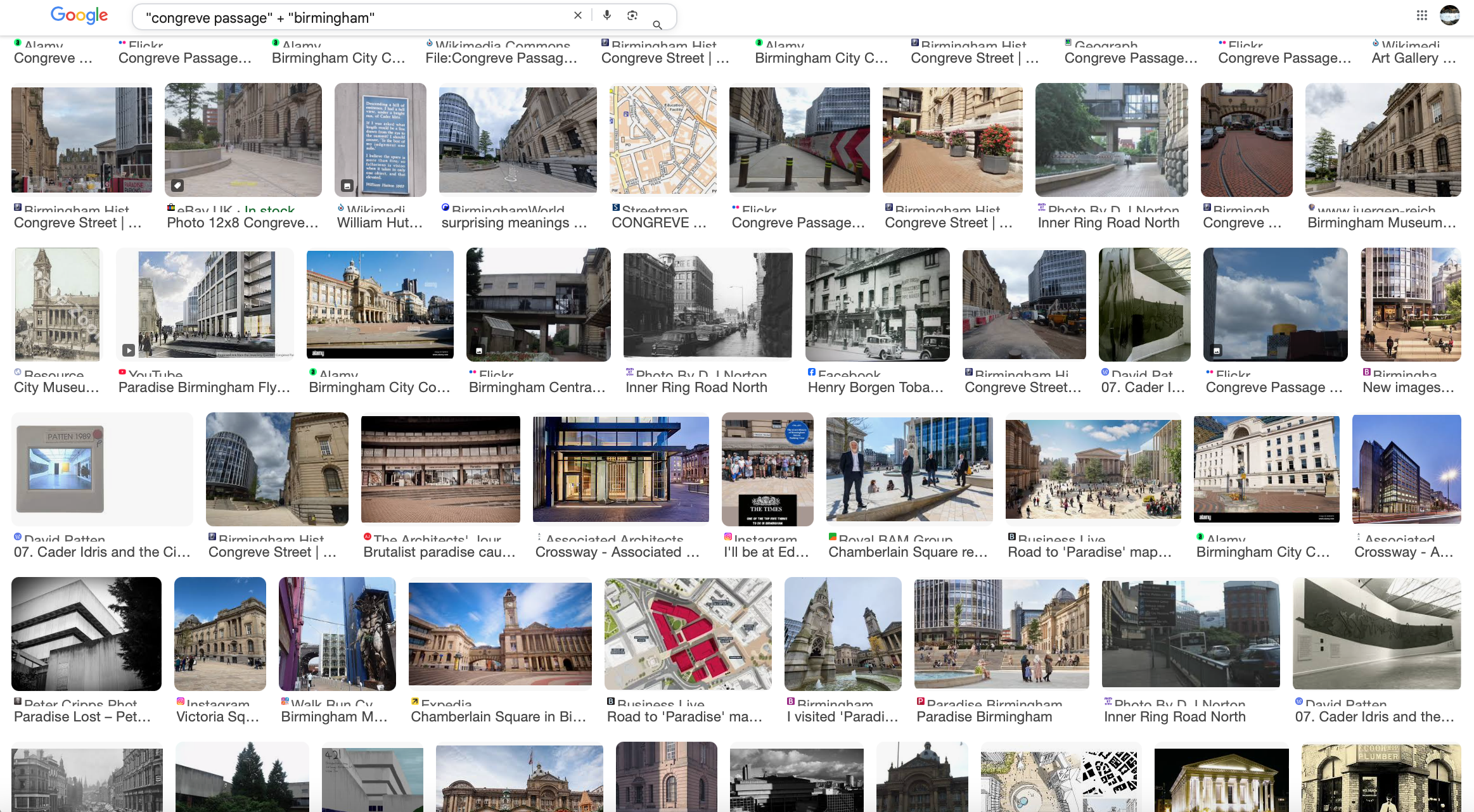
Retrieved 15.10.2025: “congreve street” + “birmingham”
A dialectical image is a charged constellation where past and present collide, revealing hidden historical tensions in a flash of recognition. [ref. Walter Benjamin: ‘Awakening’, Arcades, 462; n2a, 3]

Image: ©David Rowan, 2016 | Birmingham Museum & Art Gallery 06.11.2024
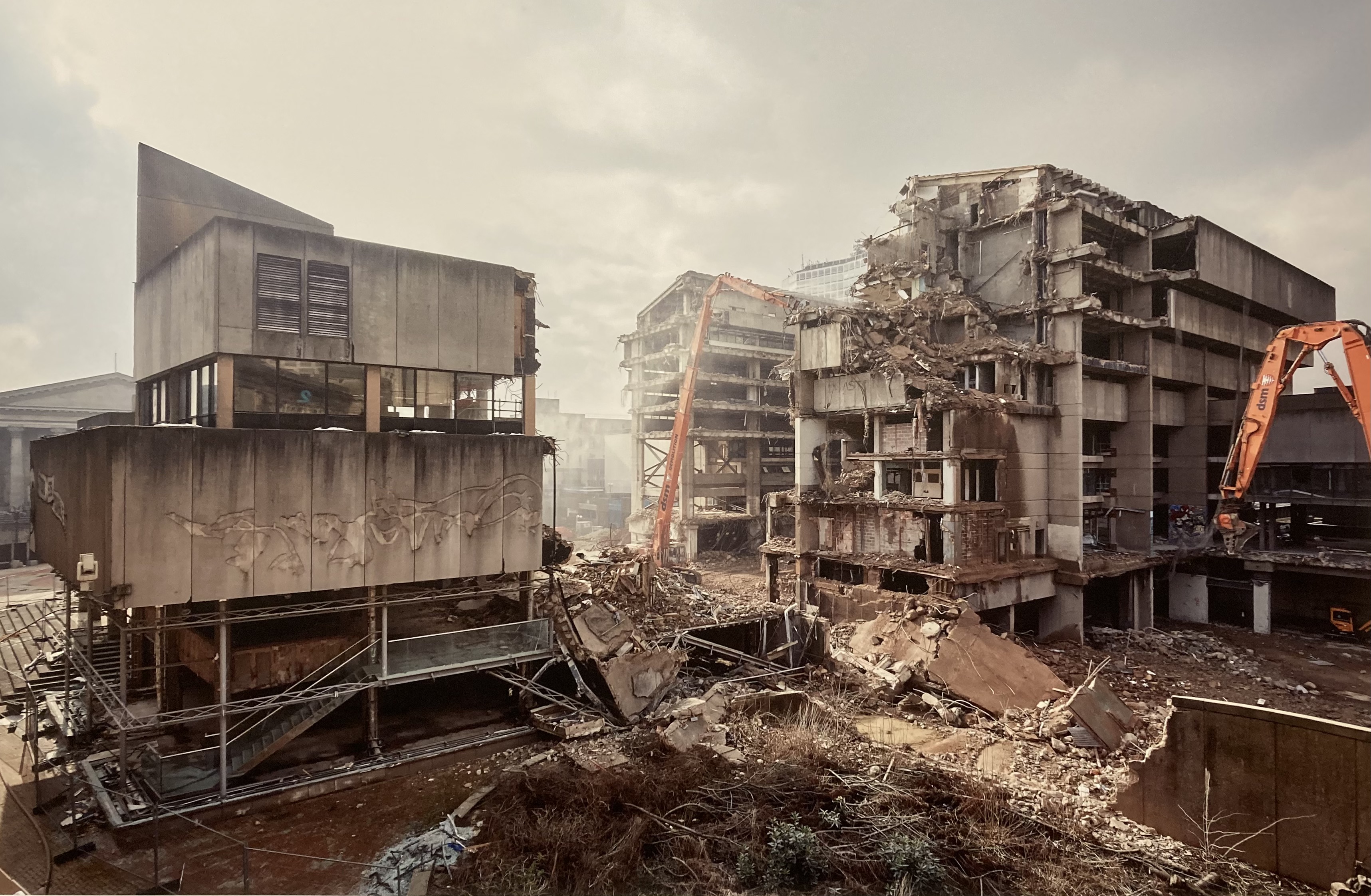
Image: ©David Rowan, 2016 | Birmingham Museum & Art Gallery 06.11.2024
…your ‘demise’ strategies for the ‘Cader Idris Horizon Line’, and how these might inform Birmingham’s policy on decommissioning, will also find parallels with Rauschenberg’s ‘Erased de Kooning Drawing’ of 1953.
As Robert Rauschenberg once said, “It had to begin as art, so it has to be a de Kooning.” It certainly couldn’t look like the William Ellis oil painting of Cader Idris from the 1889 exhibition at the RBSA that I included in the Ikon show a 100 years later. It had to be a de Kooning for exactly the same reasons Rauschenberg articulated some years earlier: https://www.youtube.com/watch?v=tpCWh3IFtDQ&app=desktop
“The young artist was engaged in a symbolic act of generational and Oedipal murder, at once comic and deadly serious. He was doing so in the joking language of Dada, a movement that did not respect the sanctity of the art object or celebrate the romantic passion of de Kooning’s generation. Rauschenberg would retain much of de Kooning for the future—his rude American vitality, his open-endedness, and his devotion to a process of permutation and change—but Rauschenberg had to escape from the air of Old World connoisseurship and private touch that was inevitably a part of a de Kooning drawing. Rauschenberg could not make conventional “drawings” or “paintings,” much as he loved them, because he did not believe they contained the contemporary truth. He had to erase that part of de Kooning.”
– Mark Stevens & Annalyn Swan: ‘de Kooning: An American Master’, Knopf Publishing Group, 2004
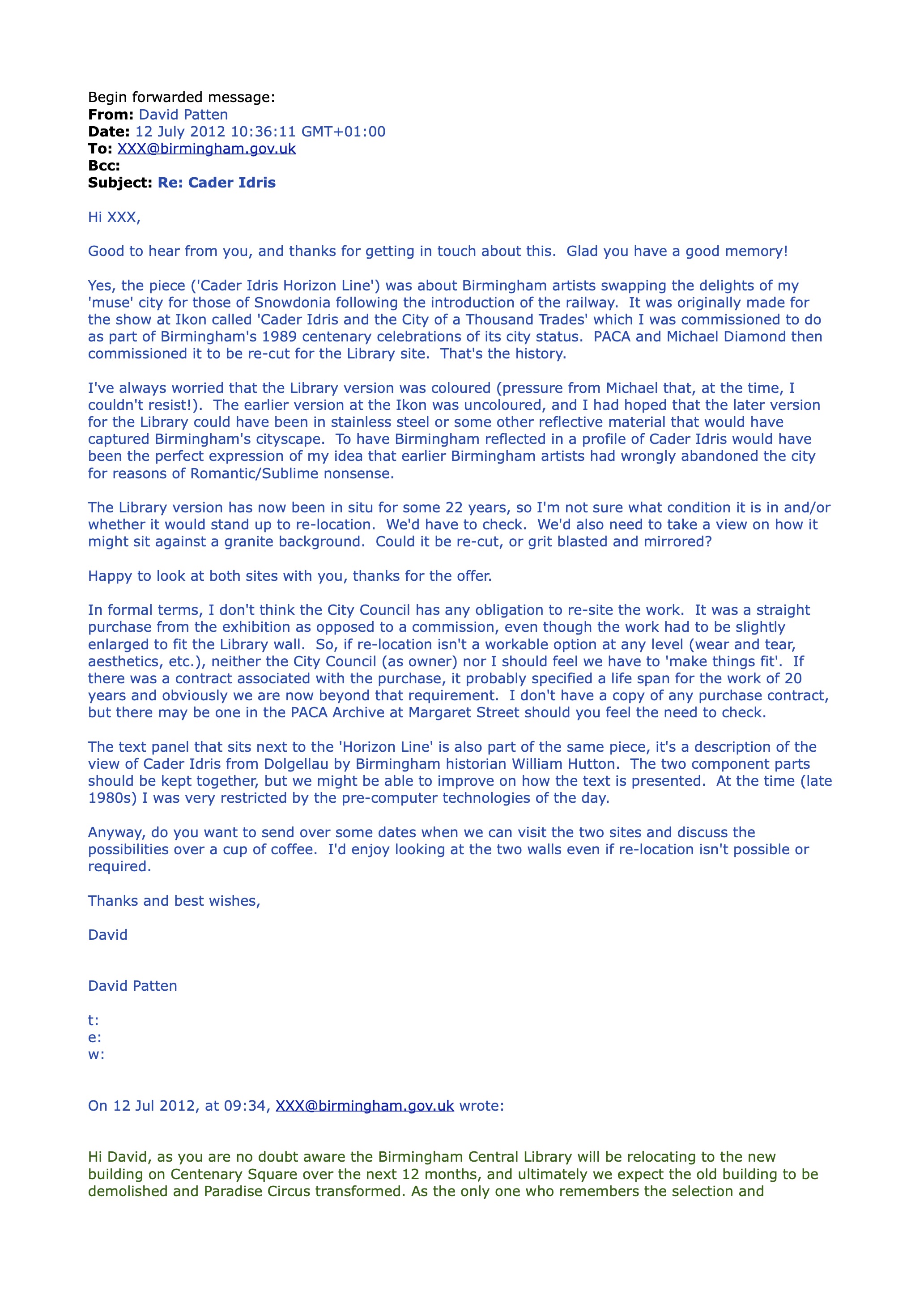


PDF: 2015 Ally Standing | Cader Idris Notes
PDF: 2016 Ally Standing ‘Unpacking Cader Idris’
PDF: 1989 Studio | Cader Idris
PDF: Ikon Gallery | Colour View 1989
PDF: Cader Idris | IKON Catalogue
PDF: Cader Idris | Exhibition Guide
PDF: Cader Idris | IKON Press Release
PDF: 100 Birmingham Sketchbooks (1987)
PDF: Léger’s ‘The Grand Parade’
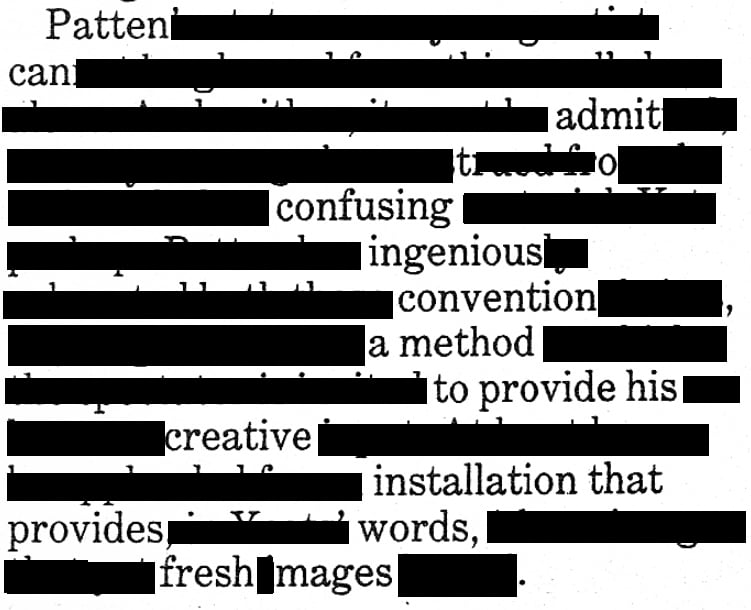
©Brendan Jackson 29.04.2024
1985-1987 City of a Thousand Trades, Bell Street Passage (Public Art Collective)

PDF: Birmingham 1988
PDF: 1985 ‘1000 Hammers’ Bell Street Passage
PDF: Bell Street Passage | ©Luke Unsworth
LINK: West Midlands Public Art Collective
PDF: 1990 Jane Kelly’s Black Paintings
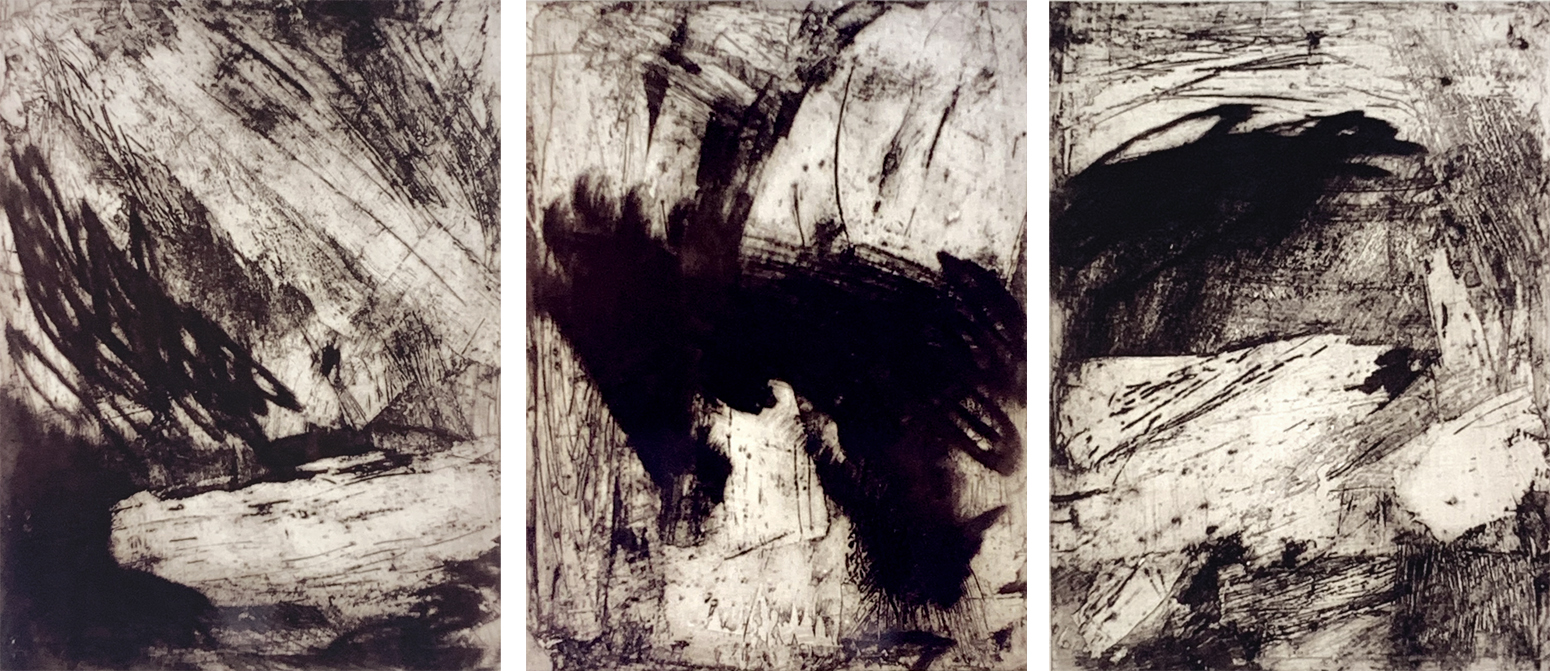
3 Drypoints, 1987
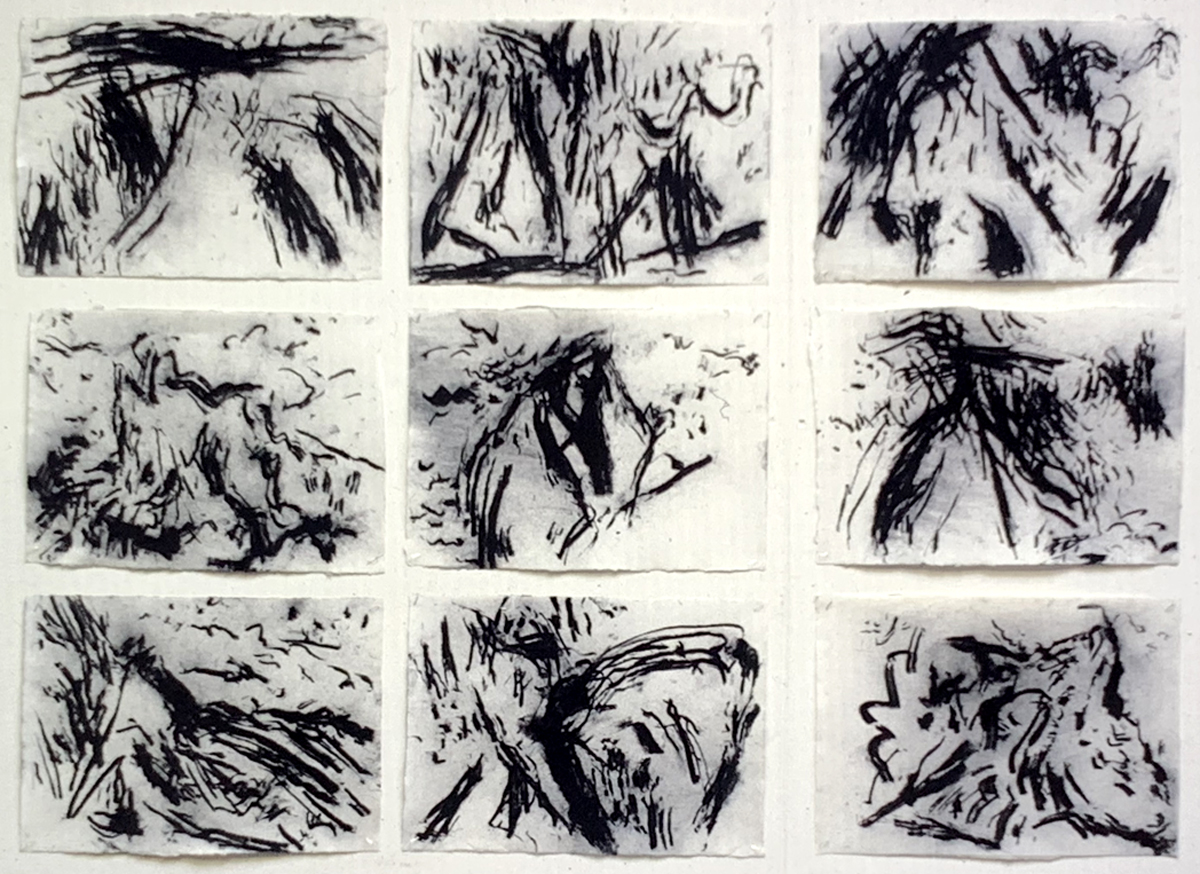
9 Drawings, 1986
 David Patten