3 October 2024 [09.11.2024 / 02.02.2025]
“fragments find their own edges”
“Let an average group of words, under the comprehension of the gaze, line up in definitive traits, surrounded by silence.”
– Stéphane Mallarmé: ‘Crise de vers’, 1897
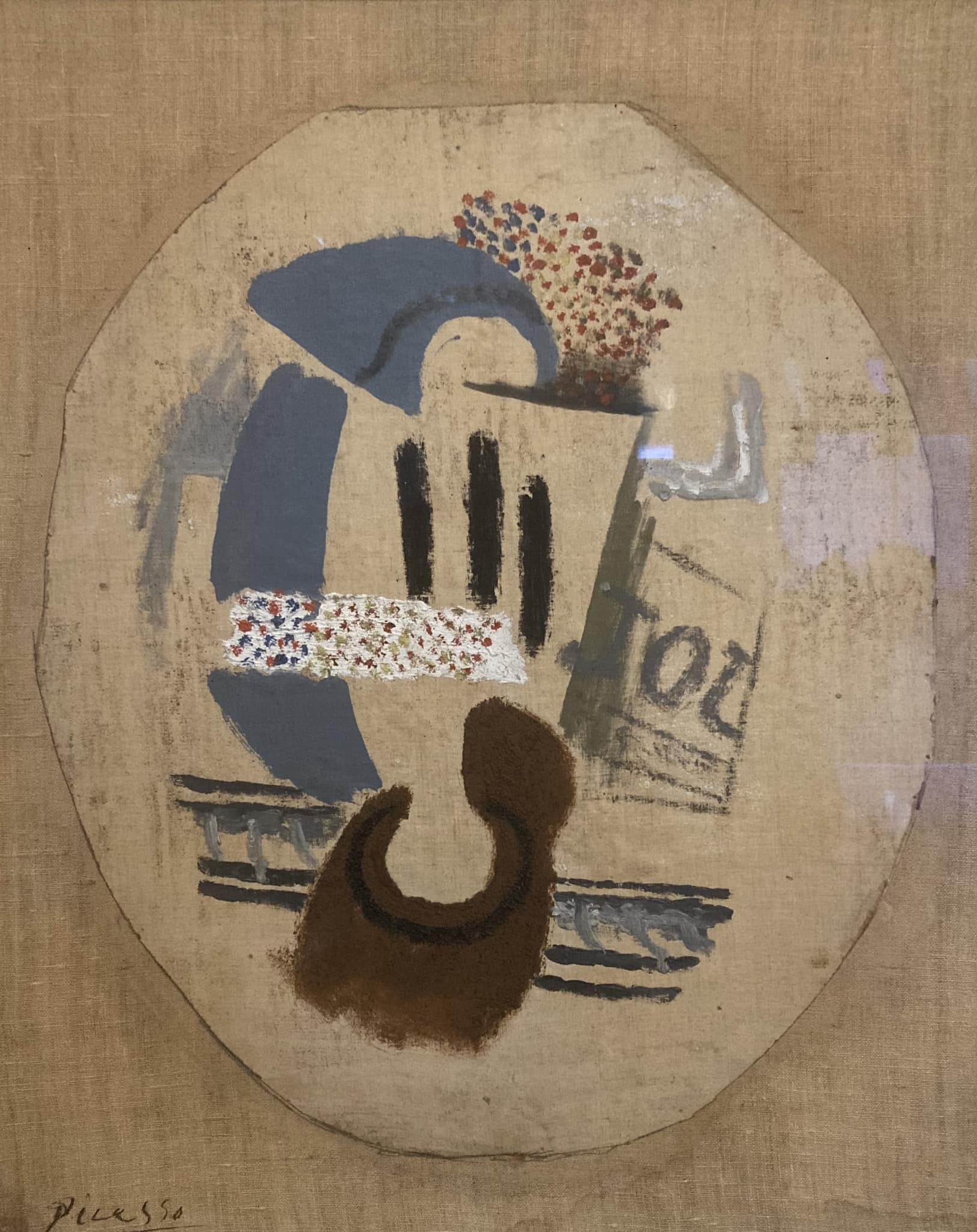
Picasso: ‘Still Life (Wineglass and Newspaper)’, ca. 1913-14 [1]
“I am using your latest papery and powdery procedures. I am in the process of imagining a guitar and I am using a bit of dust against our horrible canvas.”
– Picasso to Braque, 9 October 1912
“One can paint with anything, with pipes, stamps, postcards or playing cards, candelabra, pieces of oilskin, false collars, wallpaper, newspapers.”
– Apollinaire, 14 March 1913
Three-dimensionality is not as near being simply a container as painting and sculpture have seemed to be, but it tends to that. But now painting and sculpture are less neutral, less containers, more defined, not undeniable and unavoidable. [. . .] The use of three dimensions is an obvious alternative. It opens to anything. [. . .] “The motive to change is always some uneasiness: nothing setting us upon the change of state, or upon any new action, but some uneasiness.” The positive reasons are more particular. / The disinterest in painting and sculpture is a disinterest in doing it again… / The main thing wrong with painting is that it is a rectangular plane placed flat against the wall. A rectangle is a shape itself…it determines and limits the arrangement of whatever is on or inside of it. …the edges of the rectangle are a boundary, the end of the picture. The composition must react to the edges and the rectangle must be unified, but the shape of the rectangle is not stressed; the parts are more important… [. . .] [Pollock, Rothko, Still and Newman…Reinhardt and Noland] the rectangle is emphasized. [. . .] A painting is nearly an entity, one thing, and not the indefinable sum of a group of entities and references. …the rectangle as a definite form; it is no longer a fairly neutral limit. A form can be used only in so many ways. The rectangular plane is given a life span. [. . .] The sense of singleness also has a duration, but it is only beginning and has a better future outside of painting. Its occurrence in painting now looks like a beginning, in which new forms are often made from earlier schemes and materials. / The plane is also emphasized and nearly single. It is clearly a plane one or two inches in front of another plane, the wall, and parallel to it. The relationship of the two planes is specific; it is a form. Everything on or slightly in the plane of the painting must be arranged laterally. / Almost all paintings are spatial in one way or another. [. . .] [Klein, Stella] It’s possible that not much can be done with both an upright rectangular plane and an absence of space. Anything on a surface has space behind it.
– Donald Judd: ‘Specific Objects’, 1965
- Pablo Picasso: ‘Still Life (Wineglass and Newspaper)’ (Primary Title), ca. 1913-14, oil and sand on canvas, unframed: 20 1/2 × 19 7/8 in. (52.07 × 50.48 cm), T. Catesby Jones Collection, Virginia Museum of Fine Arts, Object Number: 47.10.83 | seen 3 October 2024
— — —
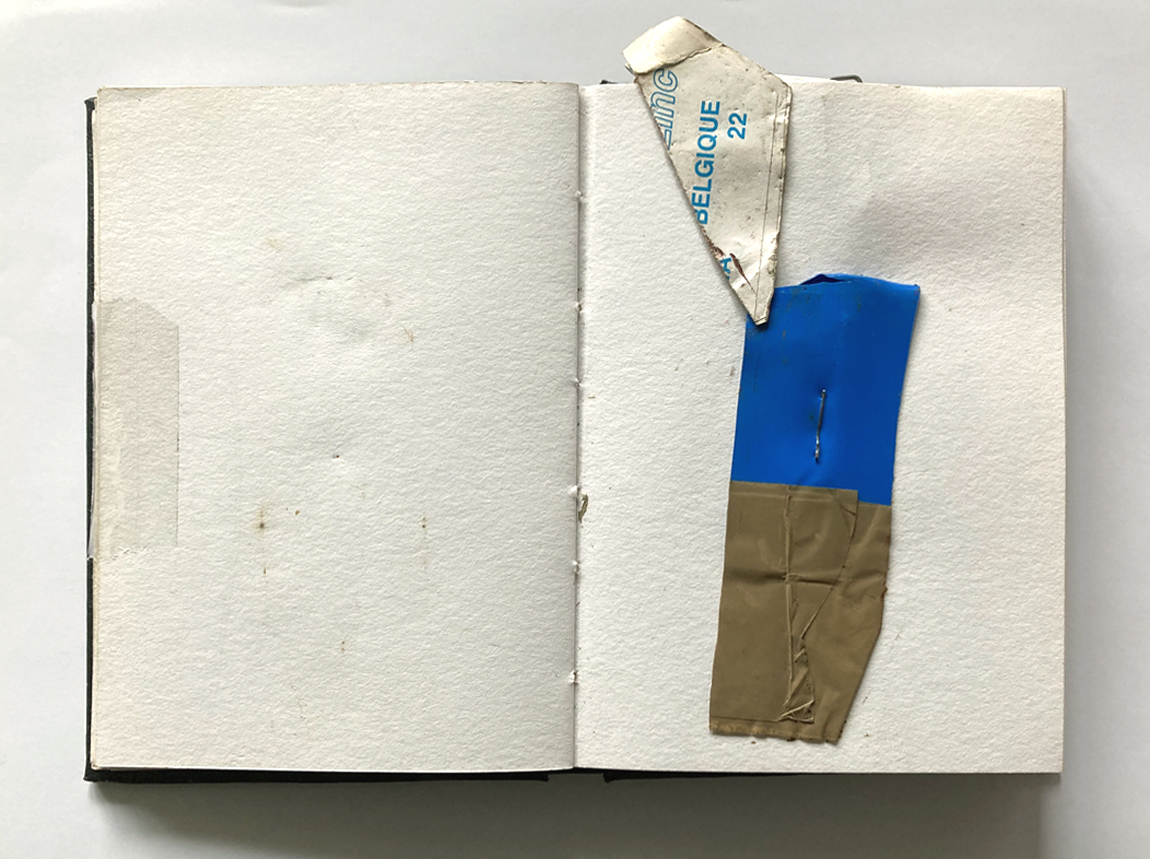
Sketchbook | New York, 1993
Novalis saw that the new art was not the total book but the fragment. The art of the fragment — a demand for a fragmentary speech, not to hinder communication but to make it absolute. / …continuous text seems problematic to me, perhaps even fraudulent.
– Susan Sontag: ‘As Consciousness is Harnessed to Flesh, Diaries 1964-1980’, Penguin Books, 2012, pp116 & 142.
“but stand still and act not”
– James Nayler, 1659
“Longchenpa” + “impotentiality”
(im)potentiality (i.e. the power or capacity to not-do, or to not-be)
[Buytendijk] to interrupt the contemporary ordering + beginning anew with the world / …in exhaustion, subjectivity is regained in a particular way: even though we cannot, it is clear that we would if we could / free to do whatever we can, but by being left free in such a way, we are no longer free not to actualize these possibilities / [and] there is no longer a position to take outside the order of the given – and to resist it / to actualise one’s potential is no longer a force of transformation / the fatigue of being oneself (self-narrative, normative self, ego-psychology etc.) and the ontological-existential fatigue, as the fatigue of being/living/existing itself / ontological burnout / an exhaustion of being as being
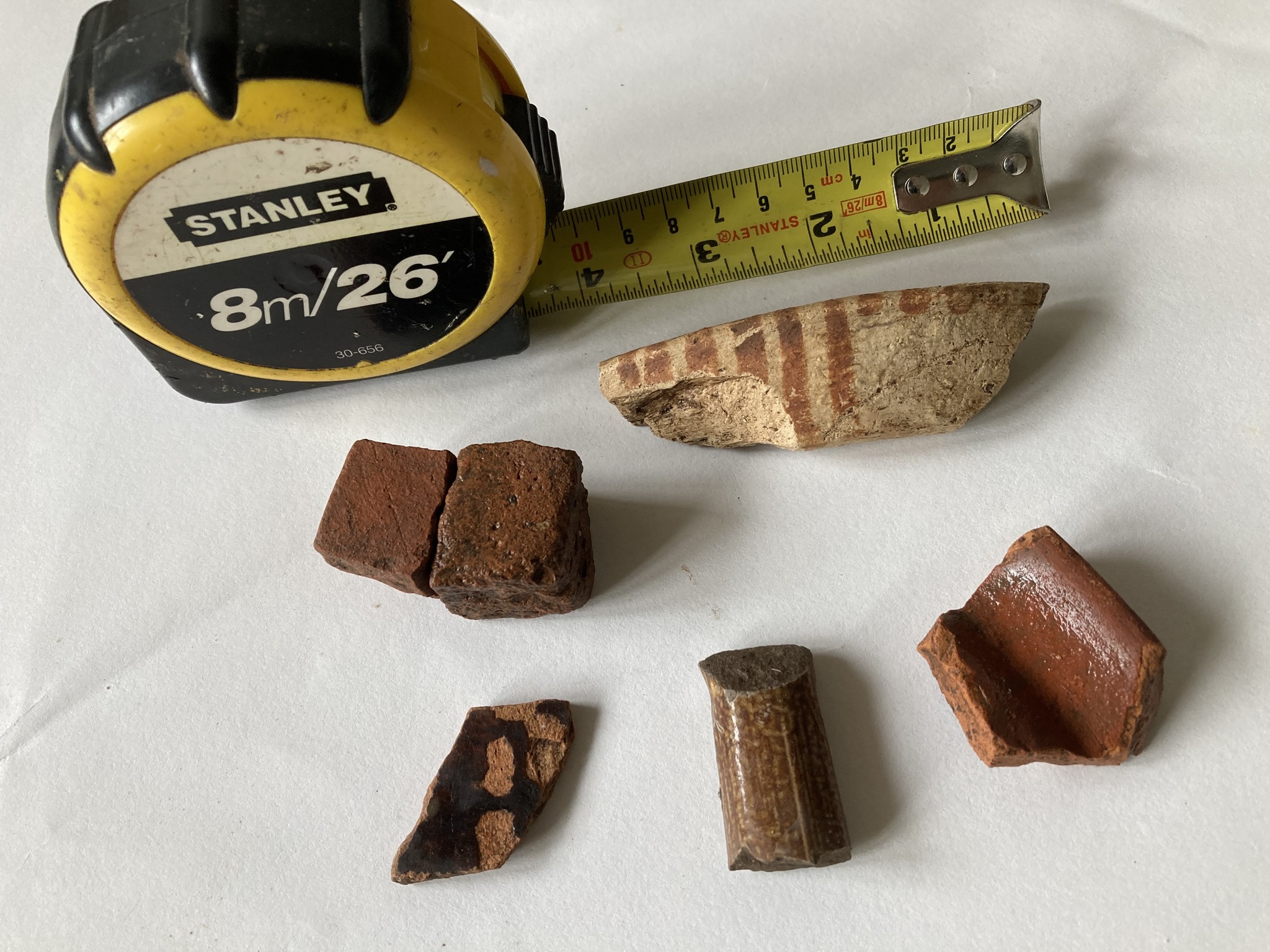
28.09.2023 | Today… Finds of the day, including later type Oxfordshire potteries whiteware mortarium (M17, M18, M22) with grooving on rim and flange with red-painted decoration, 4th century.
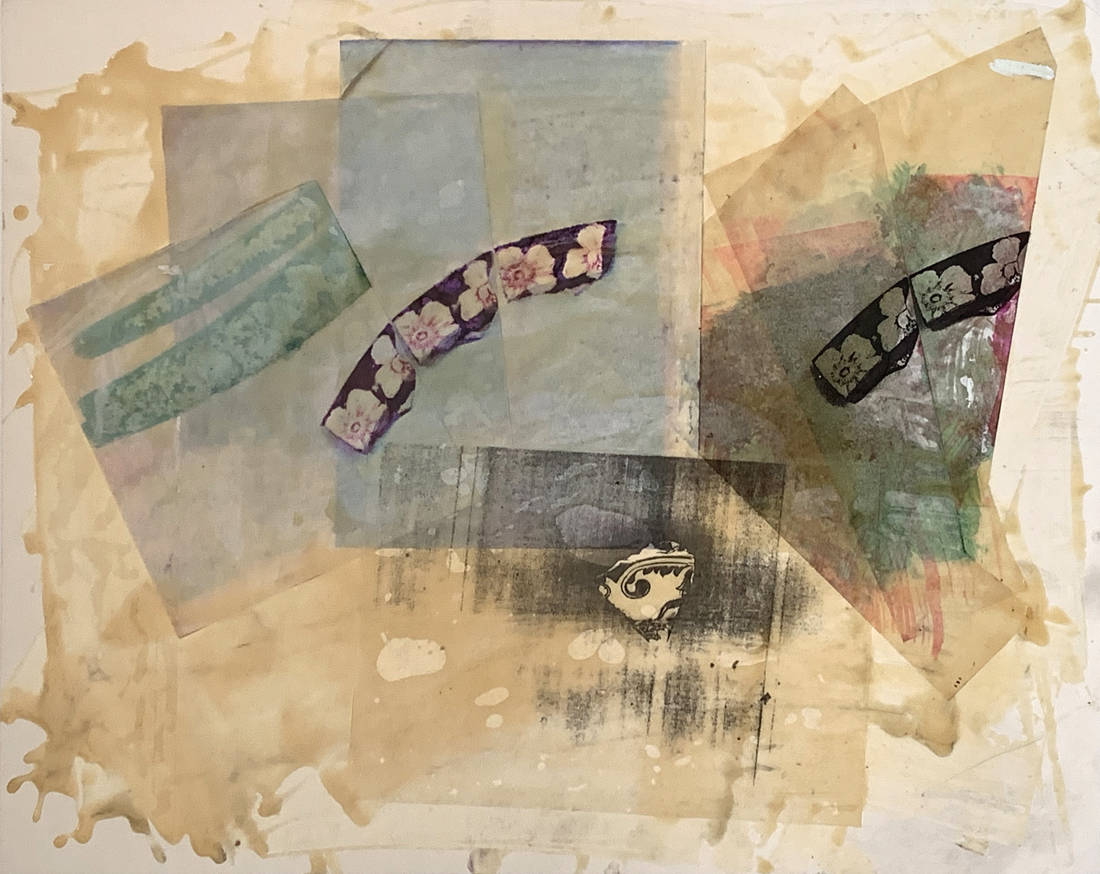
1986 National Garden Festival, Stoke on Trent (study for unrealised hoardings)
— — —
against framing conditions [institution of art + means-ends activity] a new life praxis from a basis in art, renouncing specific goals in favour of a pervasive openness / a new way of perceiving
“…sees a chance to reintegrate art into social praxis if artists would create unclosed, individual segments of art that open themselves to supplementary responses. The aesthetic fragment functions very differently than the organic whole of romantic artwork, for it challenges its recipient to make it an integrated part of his or her reality and to relate it to sensuous-material experience.”
– Johen Schulte-Sasse: Foreword to Peter Burger: ‘Theory of the Avant-Garde’, 1984
“What matters is the ability to simultaneously idealize and realize things immediately, to complete them and carry them out partly within oneself. Since the word ‘transcendental’ refers precisely to the connection and separation of the ideal and the real, one could easily say that the sense for fragments and projects is the transcendental part of the historical spirit.”
– Friedrich Schlegel: ‘Athenaeum Fragment 22’, 1798
“…pourquoi pas, sous l’inspiration du décor, me représenter par fragments, à titre d’expérience, hors la vue et dans un congé de tous.” / “…why not, under the inspiration of the decor, represent myself in fragments, as an experience, out of sight and on leave from everyone.”
– Stéphane Mallarmé: ‘Oeuvres complètes’, ed. H. Mondor et G. Jean-Aubry, Bib. de la Pléiade, Paris: Gallimard, 1945, p403
“The unfinished becomes something aspirational, as the modern artist intricately and continuously comes into being as he creates work. He becomes himself by detaching himself as an object…” / “The fragment responds to his view of existence as godless but governed by a partially hidden creative process…” / “a kind of ars combinatoria” / “…this new, internal discontinuity, which will sustain us further on, is the abundant use of dashes that enable breaks and transitions in the middle of the text.” / “the fragment is written into the horizon of finite life” / “The fragment appears here as an acoustic margin to an unknown main text.”
– Anders Olsson: the art of writing in fragments in Skillnadens konst, in ‘The Art of Difference’, 2006
[…how fragmentation relates to difference (skillnad): the gap between elements is not a lack but a generative space—where meaning and creativity emerge.]


image: David Rowan, 2016 | Birmingham Museum & Art Gallery 06.11.2024
constructed fabrication: a system of small but crucial operations determined by a narrow set of means + displace, obstruct, or even resist technical facility — the facility of the hand
conditional / steps or procedures / real or imagined unmaking / reciprocity = exchanging for mutual benefit = proposition / a tolerance for temporary solutions / arranged and rearranged + the object’s history (found context) and material constitution = methods and conditions that prevent the aesthetic object from coming to rest
instability (of object, agency, and authorship) = poststudio tactics / elusive, nonspecific, secondary / essentialness of time not material / the object in time / to make room for perpetual change / the representational implications of the single pasted fragment + fragment as a consistent material principle + by material means = [Braque quote] ‘certainty’ / “There is certainty only in what the spirit conceives.” + “The bits of paper I have stuck on my pictures have also given me certainty.”
a “finished” object is forever deferred / the condition of deferral / a momentary state of rest / the object’s temporality / the specific manner in which the objects exist in time = a theory of the momentary actual and historical fate of the aesthetic object = [Picasso quote] “To me there is no past and future in art.” / “Arts of transition do not exist” / “All I have ever made was made for the present and with the hope that it will always remain in the present.”

29.12.2024
“Beautiful, beautiful, and real! If you feel it, it will be in rapture, not in sensation — such a difference!”
– W. R. Lethaby: ‘Scrip’s and Scraps’, p40
[sameness threatens to erase all differences / noticing small, seemingly unimportant details -> hint at something unique / fragments shift understanding of what exists…or doesn’t / disrupting established meanings, challenging both cultural norms and reality itself]

— — —
“…the inherent migratory nature of an assemblage-based perception of the word…”
– Wood Roberdeau: ‘Kurt Schwitters and 27 Senses’, 2017
“…and found the form in which parataxis possesses poetic power. / …with its abrupt advances and regressions and its abundance of energetic new beginnings, which is a new elevated style. If the life which this stylistic procedure can seize upon is narrowly restricted and without diversity, it is nevertheless a full life, a life of human emotion, a powerful life, a great relief after the pale, intangible style of the late antique legend. The vernacular poets also knew how to exploit direct discourse in terms of tone and gesture.”
– Erich Auerbach, ‘Mimesis: The Representation of Reality in Western Literature’, 1946
Other sources:
Christopher Gray: ‘Cubist Aesthetic Theories’, The John Hopkins Press, 1953
Jeffrey Weiss: ‘Contingent Cubism’, http://www.greyroom.org [accessed 07.11.2024]
— — —
“…smaller Guitar constructions sit on the daybed and lean against the wall.”

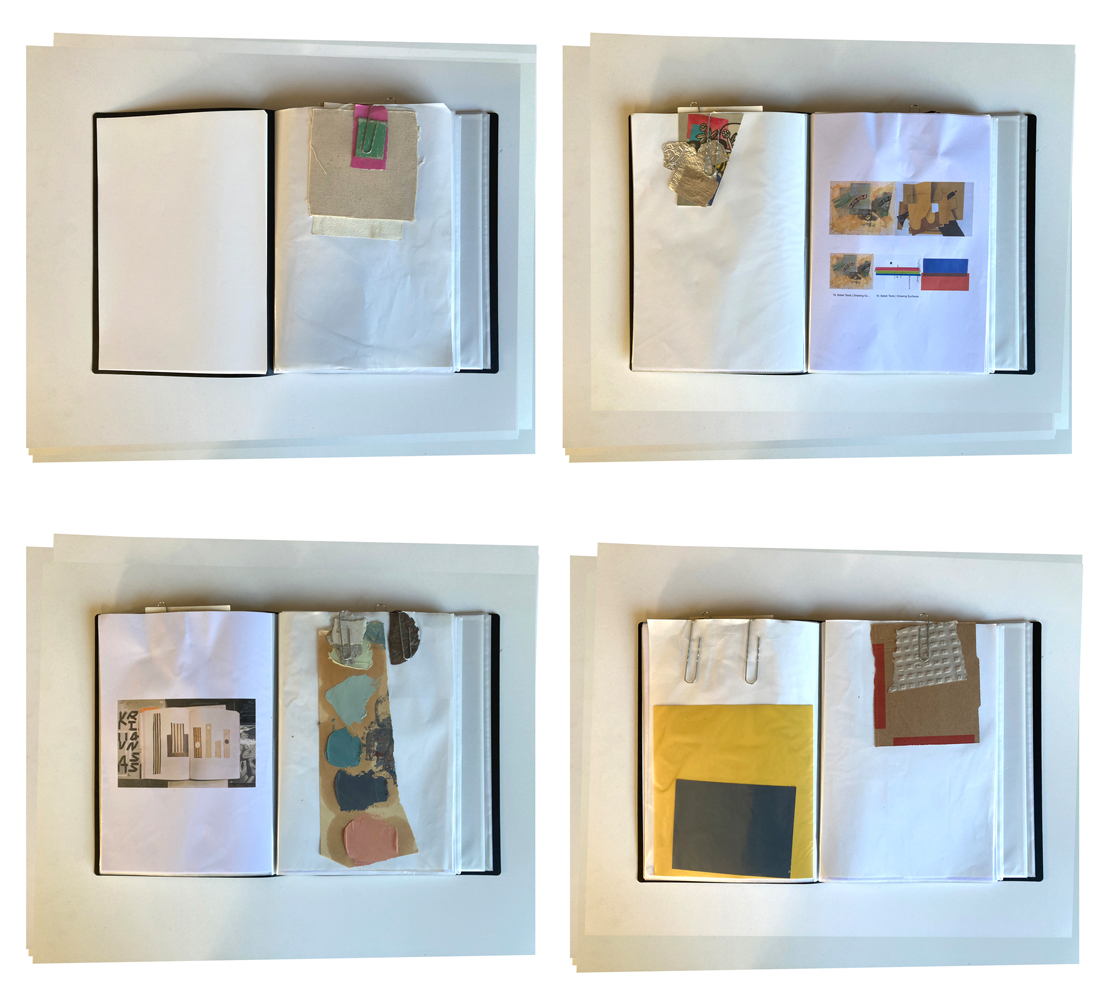
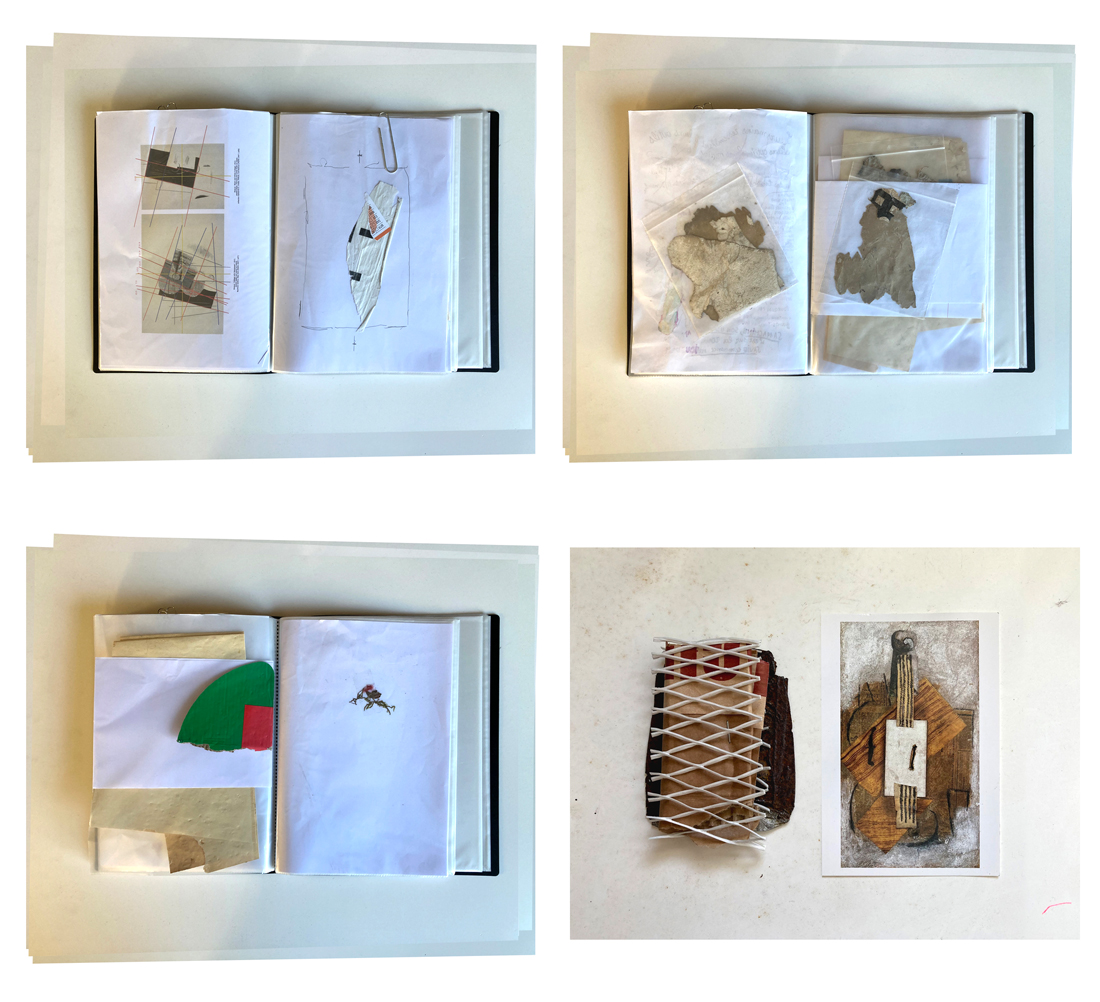
[12.02.2025]
“…once we recognize the threat of the generic nullification of all differences, we may become extremely sensitive to the possibility that even a nondescript fragment may alert us to the birth of a singularity and increase our sense of the vanishing origins. / …such a fragment may generate a movable reciprocity between existence and nonexistence, nature and culture. / …a gap or hole whose recognition each time upsets anew the status quo in the domain of signs as well as in reality at large.”
– Gabriele Guercio & Christopher S. Wood: ‘What did the Savage Detectives Find?’, The Yearbook of Comparative Literature, University of Toronto Press, Volume 59, 2013
“…and be exercised with the day of small things”
– Isaac Penington, 1665
— — —
[19.07.2025]
Summary
The work proposes an artistic praxis rooted in fragmentation, material experimentation, open-ended processes, and temporal contingency. It resists finality—whether in form, meaning, or authorship—and instead encourages a continuous unfolding of meaning. Drawing on Cubist collage, Minimalism, literary fragments, and spiritual philosophy, the work lives in the open seams between thresholds, inviting viewers and makers alike to become part of its making and remaking.
1. Fragments
• Embracing fragments: “fragments find their own edges” celebrating partial forms that resist completion and closure.
• Mallarmé & Sontag & Schlegel: quoting writers who praise fragmentariness as a means to activate the imagination and encourage reinterpretation.
• Traditional avant-garde theory: drawing on Schulte-Sasse via Burger, to position fragments as open segments that invite participation.
2. Framing and Material Edge
• Challenging the rectangle: citing Picasso, Judd, Pollock, and others, to critique the traditional framed painting as bounded and limiting.
• Physical layering: highlighting techniques using dust, paper, sand, and collage—creating frames within frames and exploring depth and surface.
3. Fabrication as Process
• Constructive procedures: outlining a ‘fabrication’ logic characterised by small, provisional acts—cut, fold, paste—that make space for impermanence and iteration.
• Post-studio tactics: using unstable, reconfigurable objects to emphasise temporality and agency, resisting finalised authorship.
• Object temporality: rejecting fixed completion, objects are ‘forever deferred’, defined by their state in time rather than finalised presence.
4. Temporal Presence & Potentiality
• Im/potentiality: reflecting, via spiritual and philosophical references (James Nayler, Longchenpa, Buytendijk), on the potential to not-actualise and resist normative narratives.
• Fatigue of self: concepts of existential weariness and potential loss of self that evoke a return to subjectivity through fragmentation.
• Picasso’s timelessness: quoting Picasso — “To me there is no past and future in art” — on the immediacy and presentness of artistic acts.
5. Historical Dialogue
• Cubist legacy: Picasso’s “papery and powdery procedures,” collages, and layered surfaces serve as material strategies.
• Judd & Minimalism: Judd’s concept of “specific objects” frames painting as spatial, object-like entities, encouraging new hybrid forms.
6. Engagement, Openness, Reciprocity
• Open-ended propositions: Art becomes a site (or place) of exchange and invitation rather than for making closed or closely-bounded declarations — reciprocity is key.
• Reintegrating art and praxis: rejecting static institutional frames, the site imagines a livelier, more socially embedded art practice.
— — —
22.07.2025
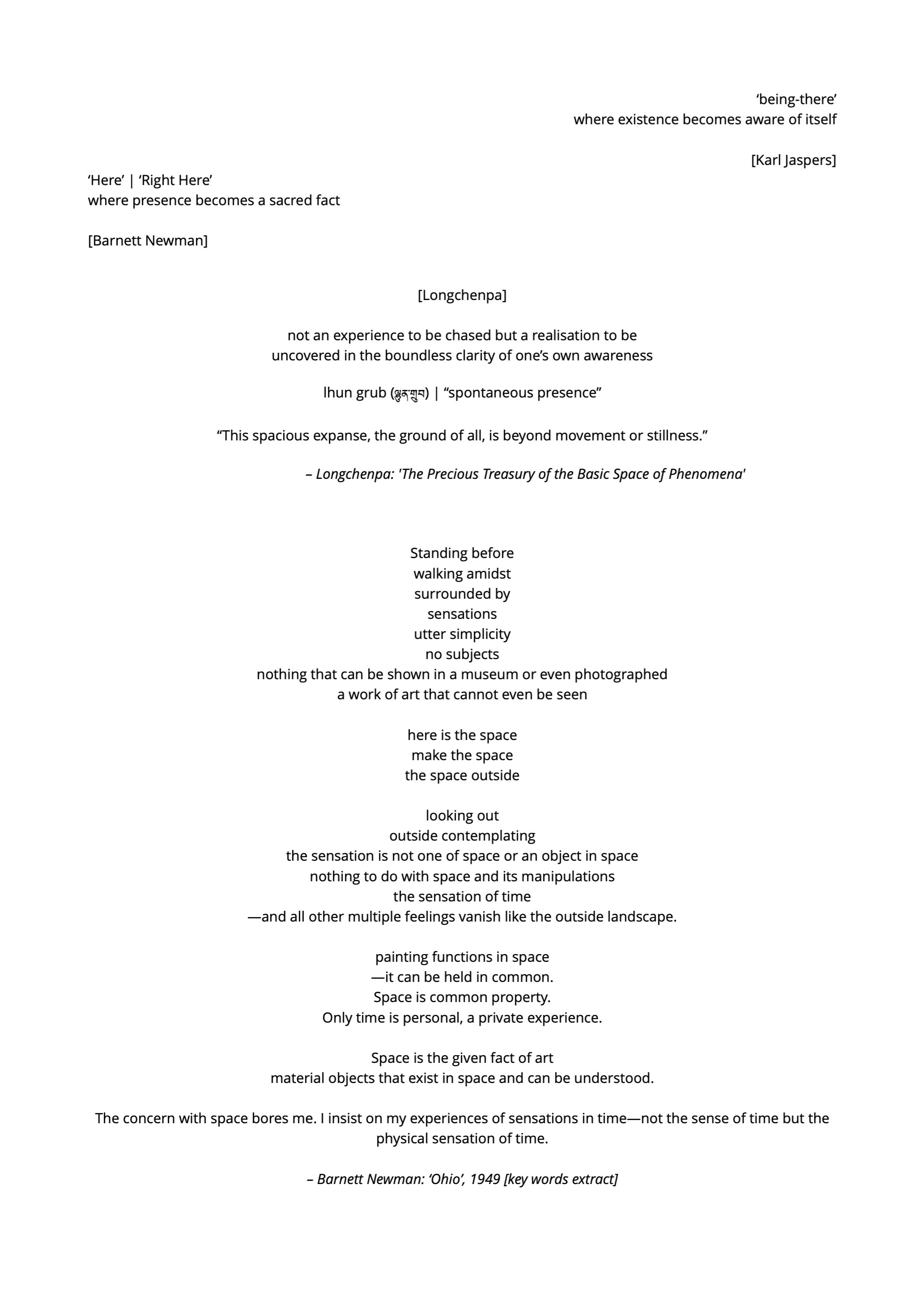

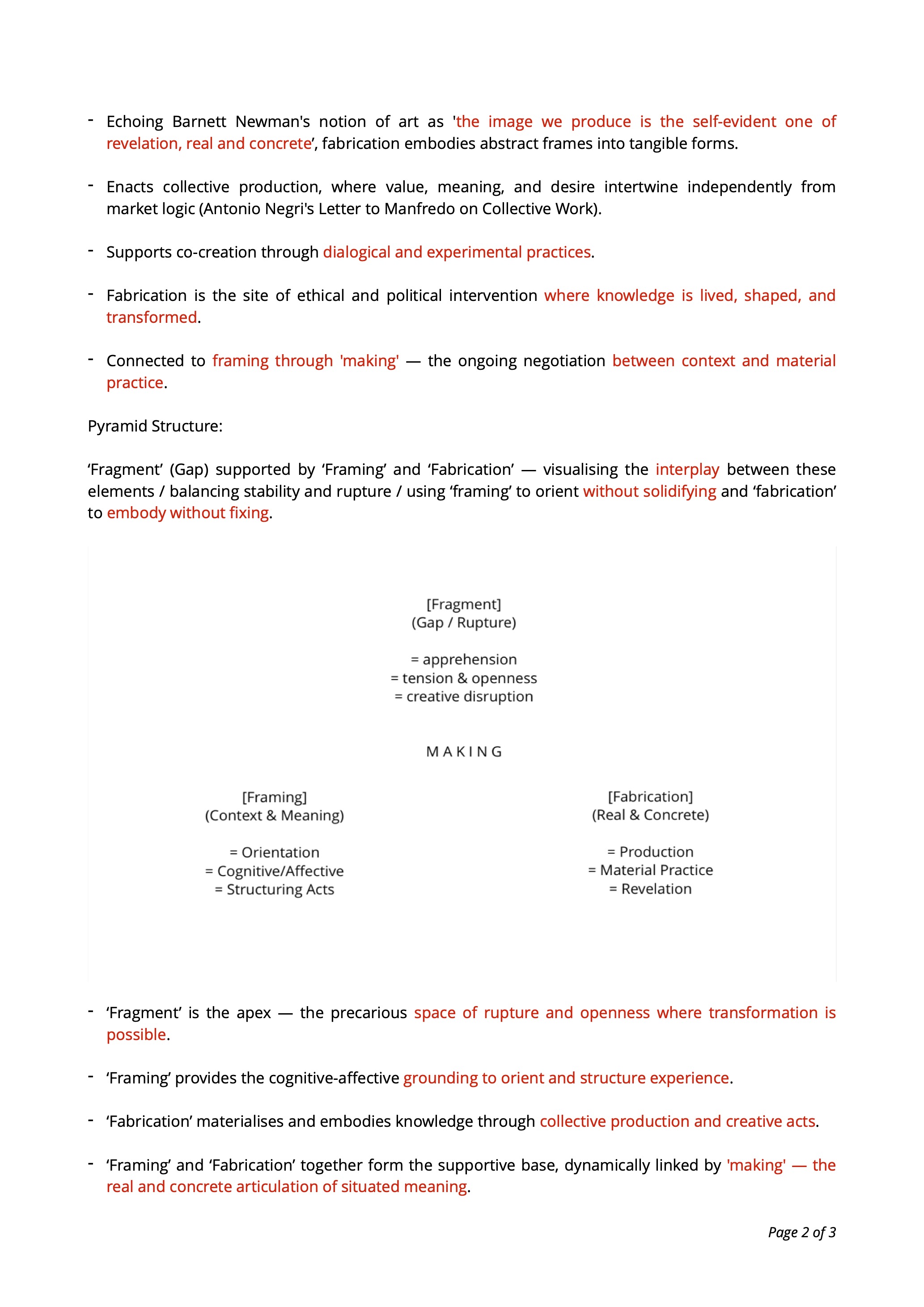

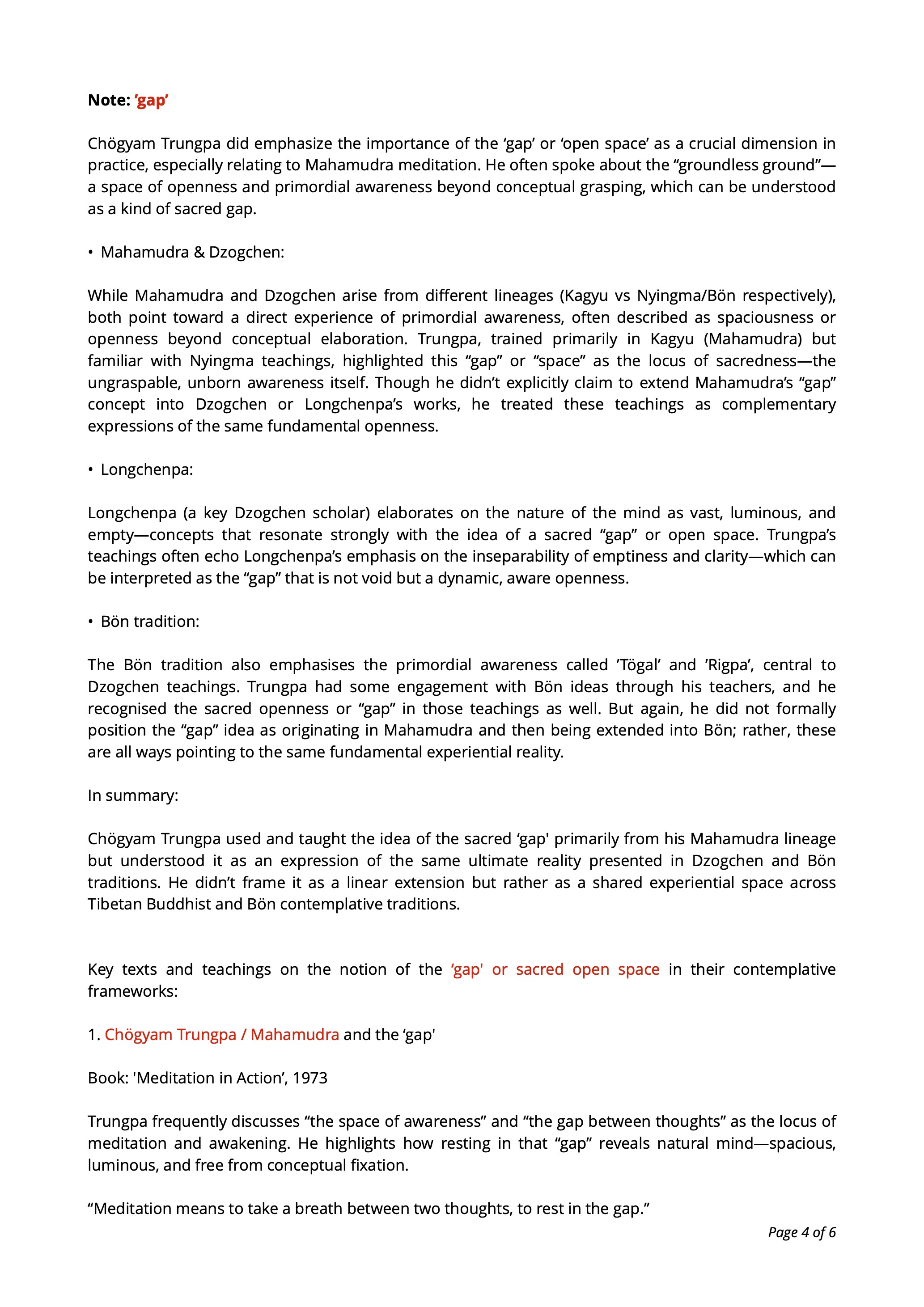
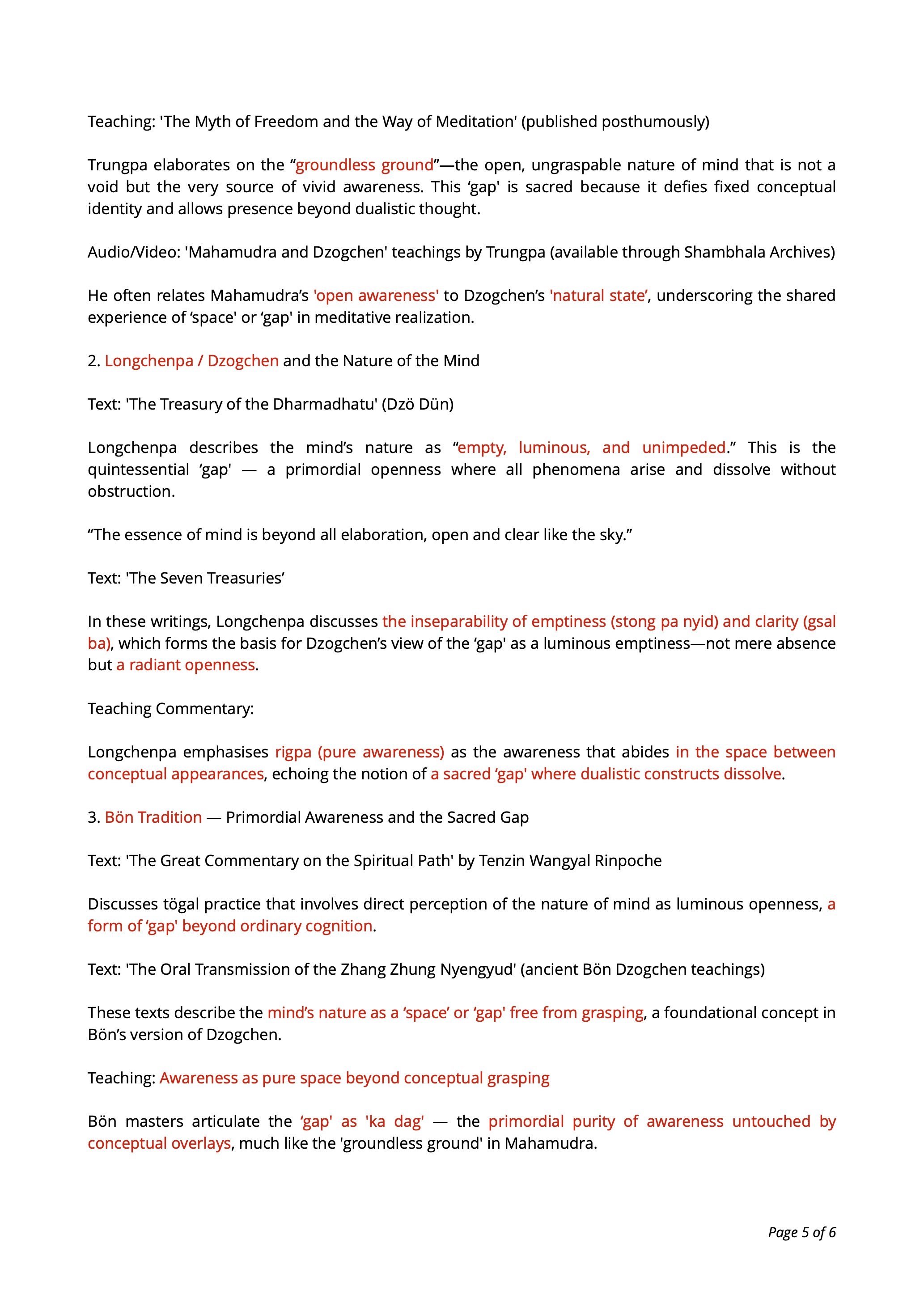
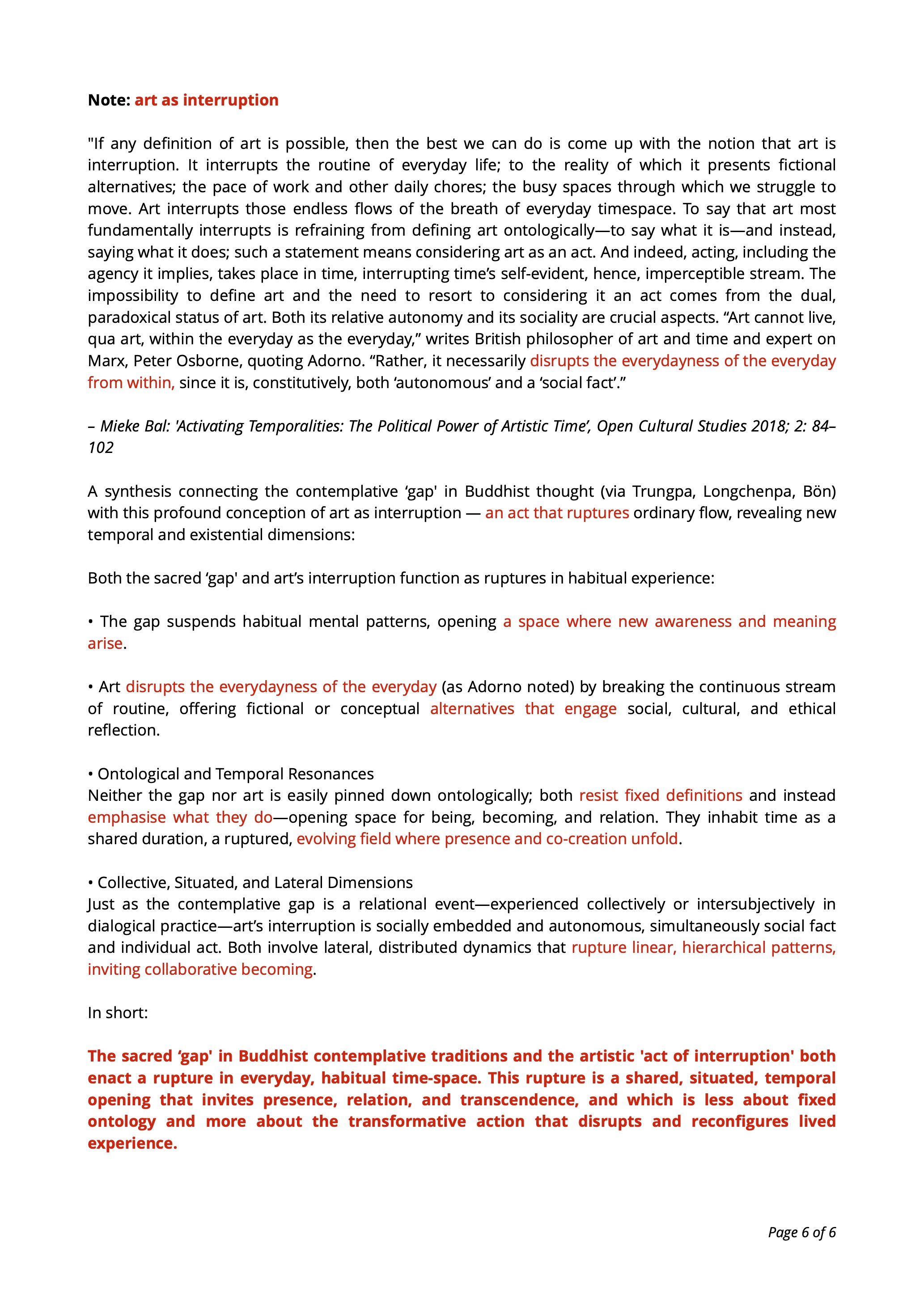
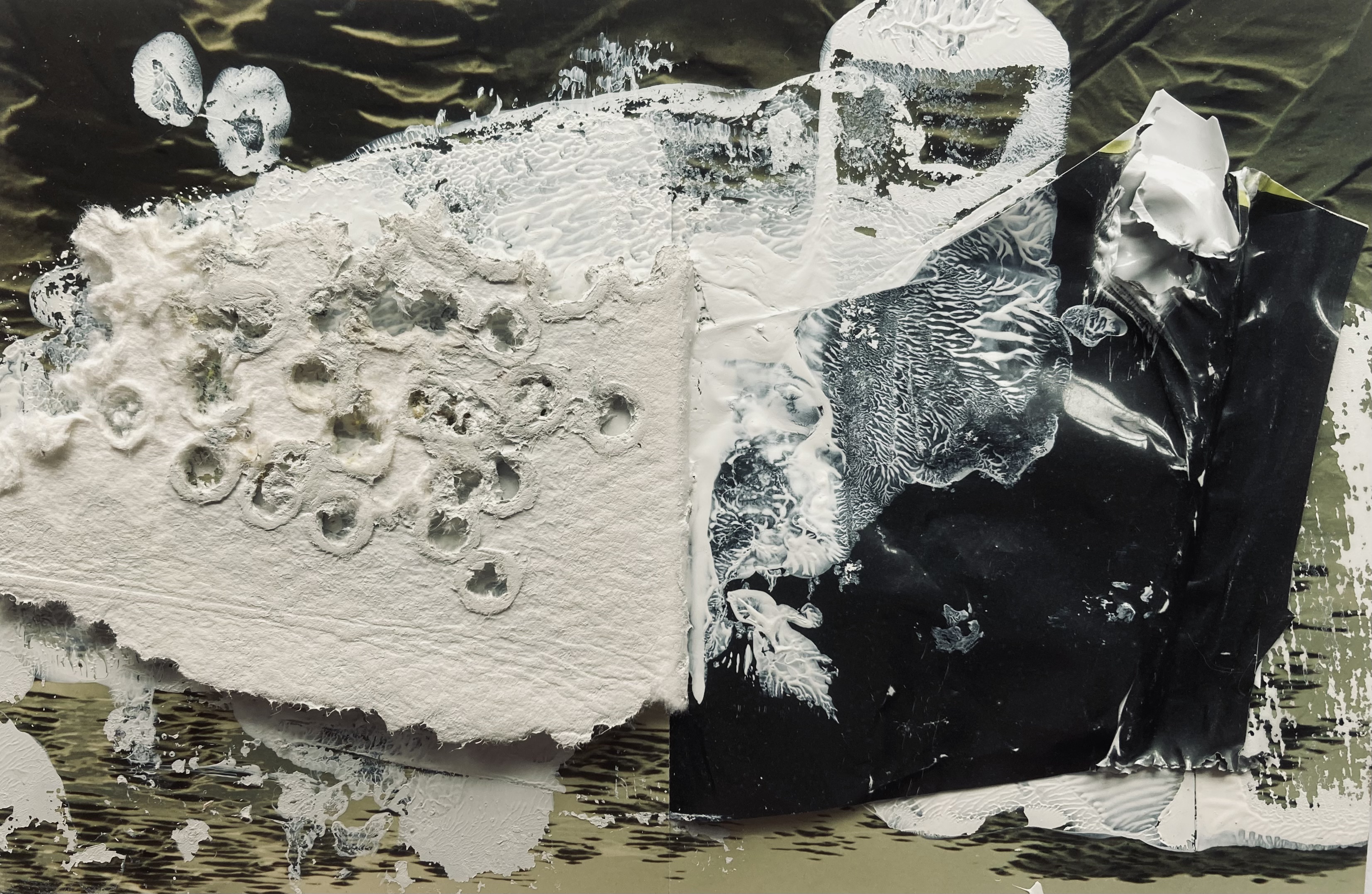
[01.08.2025]
Fragments and ingenuity …
Ruskin advised artists to reject nothing. Turner blew pigments across his canvases, kept one thumbnail sharp for incising his paint, and used his own spit and tobacco juice to create washes. In Scotland, he captured the effects of a threatening storm with peat bog water. In addition to brushes, Hyatt’s armoury included his hands, fingers, rags and palette knife to stroke and drag paint, sticks to inscribe. …Schwitters used everything. “Give me some mud off a city crossing,…” Ruskin wrote, “…some ochre out of a gravel pit, a whitening, and some coal-dust, and I will paint you a luminous picture …”
– Russell Mills: ‘Emissaries of the land at Brantwood’, December 2024
“He spread flour and water over the paper, then moved and shuffled and manipulated his scraps of paper around in the paste while the paper was wet. With his fingertips he worked little pieces of crumbled paper into the wet surface; also spread tints of watercolour or gouache around to get variations in shadings of tone. In this way he used flour both as paste and as paint.”
– Charlotte Weidler on Kurt Schwitters in Harriet Grossman Janis and Rudi Blesh, Collage: Personalities, Concepts, Techniques, Philadelphia, PA, 1962, and quoted in Megan R. Luke: ‘Sculpture for the Hand: Herbert Read in the Studio of Kurt Schwitters’, Association of Art Historians, 2012.
 David Patten