c/PLEX project was a National Lottery Capital Arts-funded proposal and theoretical intervention into questions of cultural democracy, public experience, and the commons.
At its core, c/PLEX articulated a set of social logics in which production, distribution, training, social practice, and circulation were structurally linked:
SOCIAL PRACTICES → SOCIAL EXPERIENCE → PRODUCTION + CIRCULATION → MEANING
This formulation prioritised process over finished objects. Meaning was understood as unstable and continuously negotiated — never fixed or settled. c/PLEX rejected consensual cultural narratives, asserting instead that popular culture and art remain permanently “in process.”
Crucially, c/PLEX argued that the meanings of popular culture exist only in circulation. Insight and perceptual transformation arise through movement, exchange, and interaction rather than through static resolution. In this framework, productive conflict and structural contradiction functioned as generative forces rather than obstacles to be eliminated.
c/PLEX also challenged the instrumentalisation of public art as decorative supplement to architecture. Instead, it proposed a forum for constructive reappraisal that would recover the commons as both the symbolic and practical site of public life. Here, art and perceptual practice intervene not as ornament, but as structural mediators of experience and circulation.
In this sense, c/PLEX anticipated a shift from art as object to art as social and perceptual infrastructure:
- meanings emerge through circulation rather than fixation;
- social experience precedes stable cultural symbolisation;
- the commons is neither nostalgic nor decorative, but a contested and active field.
Almost three decades later, c/PLEX can now be read as a model for continuously negotiated art. Framed as the commons — an iterative perceptual struggle rather than a space of consensus — c/PLEX grounded art in relational practice, structural contradiction, and the ongoing transformation of social perception.
— — —
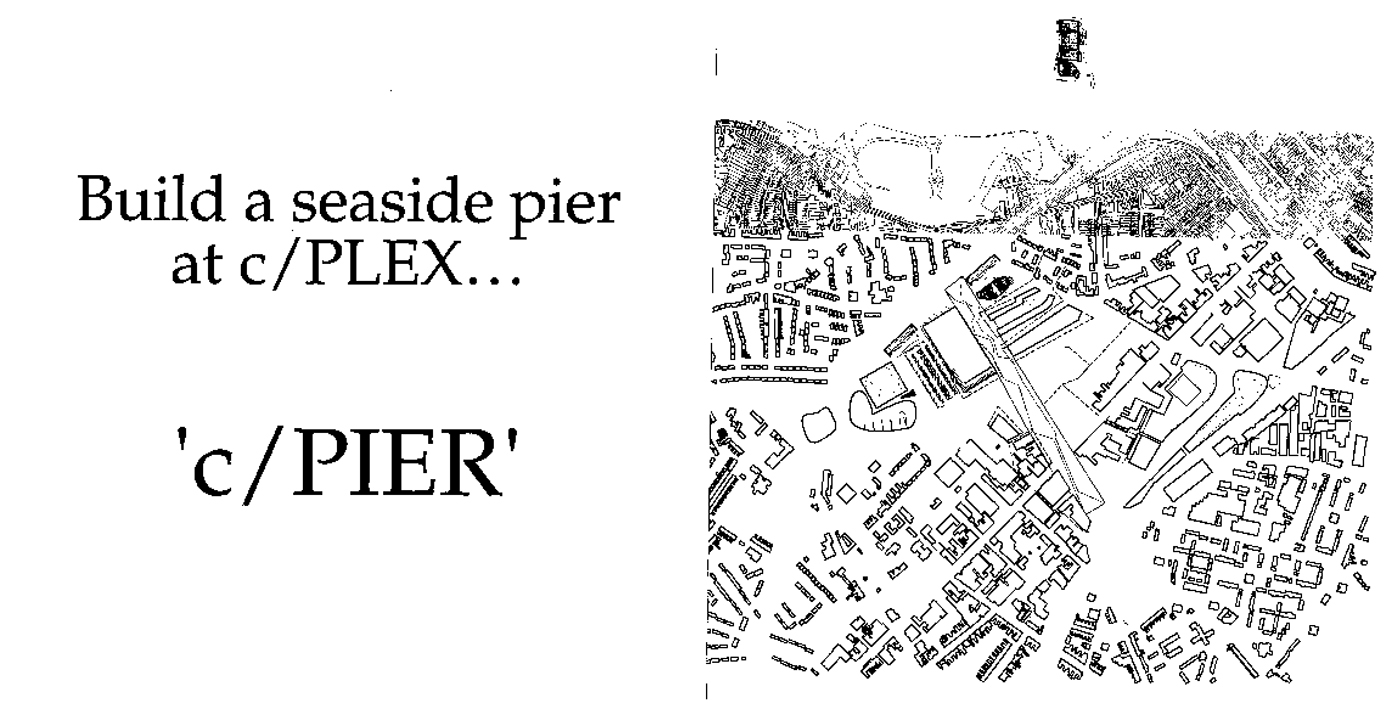
13. C/PLEX VIEW…INERTIA / 14. PIER…175M LONG…LINK TO TOWN CENTRE AND THEN BUSTING THROUGH THE ARCHITECTURAL SCHEME…ESSENTIALLY A THREAT. BUDGET AVAILABLE TO DO THAT – ALL THE PUBLIC ART IN ONE PLACE, NO MERGING WITH OR MODIFICATION BY ARCHITECTURE. NEW SCHEME MATCHING THE PIER…LONDON ON THURSDAY.
PDF: 04.02.1997 SHU Talk | c/PIER

c/PLEX Public Square, February 1997
SOCIAL EXPERIENCE
— — —
c/PLEX
NEW BUILD
[DIAGRAM]
MIX OF PRODUCTION, DISTRIBUTION & TRAINING
— — —
SOCIAL
PRACTICES
↓
SOCIAL
EXPERIENCE
↓
PRODUCTION
+
CIRCULATION
↓
MEANING
— — —
POPULAR
CULTURE
ALWAYS
IN PROCESS
ART OF
POPULAR
CULTURE
↓
THE ART
OF
MAKING
DO
THE TEXTS,
WHICH ARE
CRUCIAL IN
THIS PROCESS,
ONLY
FUNCTION
THROUGH
INTERRELATION-
SHIPS WITH
OTHER TEXTS & SOCIAL LIFE
— — —
NO
CONSENSUAL
MEANINGS
RESISTANCE
EVASION
IS THE
FOUNDATION
OF
RESISTANCE
MEANINGS
OF POPULAR
CULTURE
EXIST ONLY
IN
CIRCULATION
— — —
WEAKEN THE
SYSTEM FROM
WITHIN TO
ENABLE
STRUCTURAL
CHANGE
IN THE US
90% OF NEW
CONSUMER
PRODUCTS
FAIL.
(IN AUSTRALIA
THE FAILURE
RATE IS 80%)
DESPITE
ADVERTISING
+ PROMOTION
MACHINES
THAT CONSUME
MACHINES
THAT PRODUCE
— — —
SHOPPING
CROSSES
BETWEEN
THE PUBLIC
AND THE
PRIVATE
— — —
Caroline
01203 385949
— — —
TACTICAL
RAIDS
TO CREATE
FREEDOM
WITHIN
SYSTEMS,
ONE HAS
TO INHABIT
THEM
— — —
THE CITY
AS BOOK
(LINEAR
SEQUENCE)
OR AS
[A] NEWSPAPER
WHICH CAN
BE SKIMMED
FOR MOMENTS
OF INTEREST

‘Tower of Cultural Democracy’, December 1997
10 THOUGHTS ON THE TOWER TO CULTURAL DEMOCRACY
• the Tower is the highest point on c/PLEX and fulfils the same function as that of other towers on other squares built in other times by all cultures around the world;
• the Tower is the site beacon for the wider area;
• the Tower is an experimental test bed for art and architecture collaborations in real and virtual time in line with national moves to developing ‘the Alliance’ of art, architecture and design;
• the Tower will be programmed through a discrete community site panel emphasising cultural democracy in action;
• the Tower is the choreographer of the public square and, as such, is of interest to SONY, artists and others;
• the Tower houses the community arts database and, as such, is a national resource;
• strategically, the Tower will ‘stretch’ the conceptual thinking, design, construction and materials palettes of the design team to ensure a better product across the whole site;
• the Tower literally and physically states our commitment to cultural democracy;
• the Tower is a meeting place which can, in time, serve as a community resource (CAB, tourist info point, etc.);
• the Tower is an informal ‘taster’ for Jubilee Arts and the Creative Gallery for those people who may feel daunted by these other facilities.
February 1998
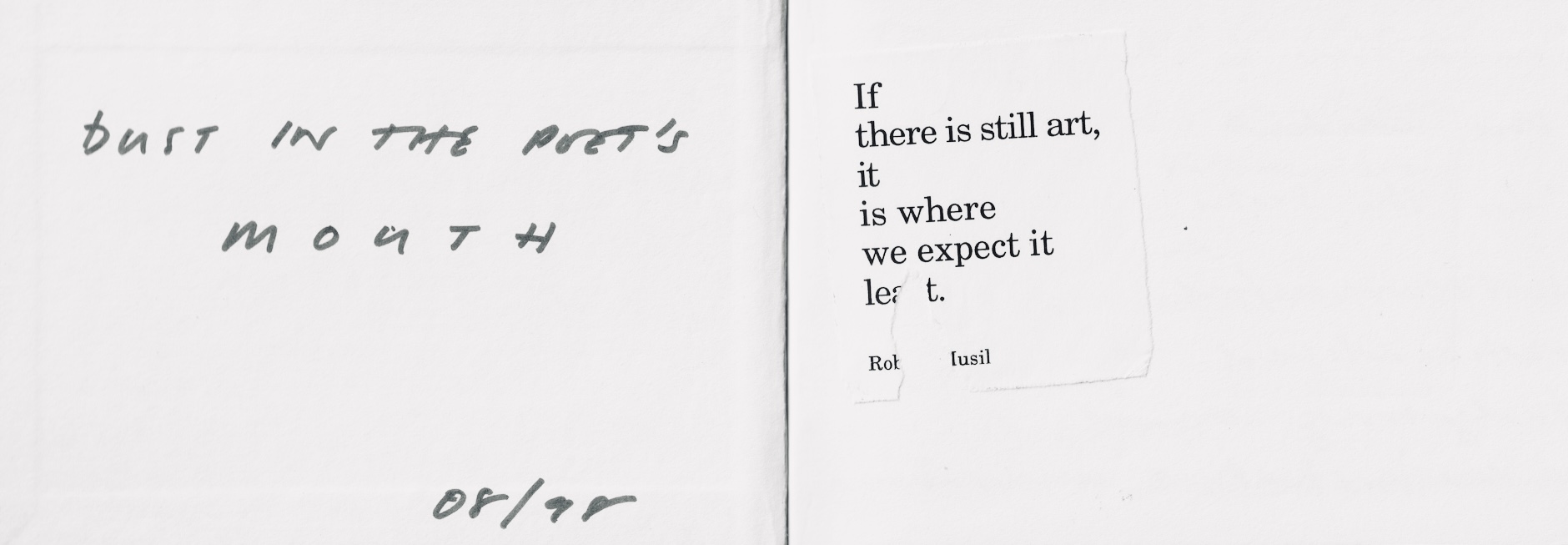
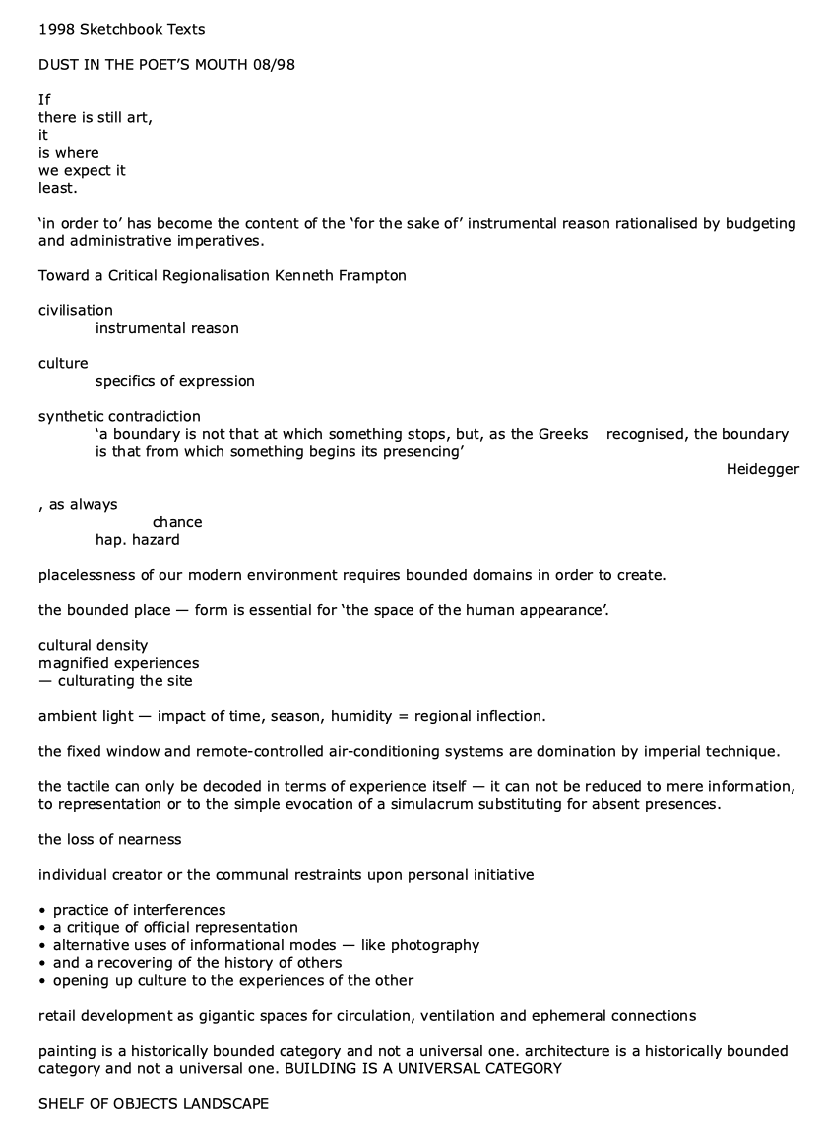
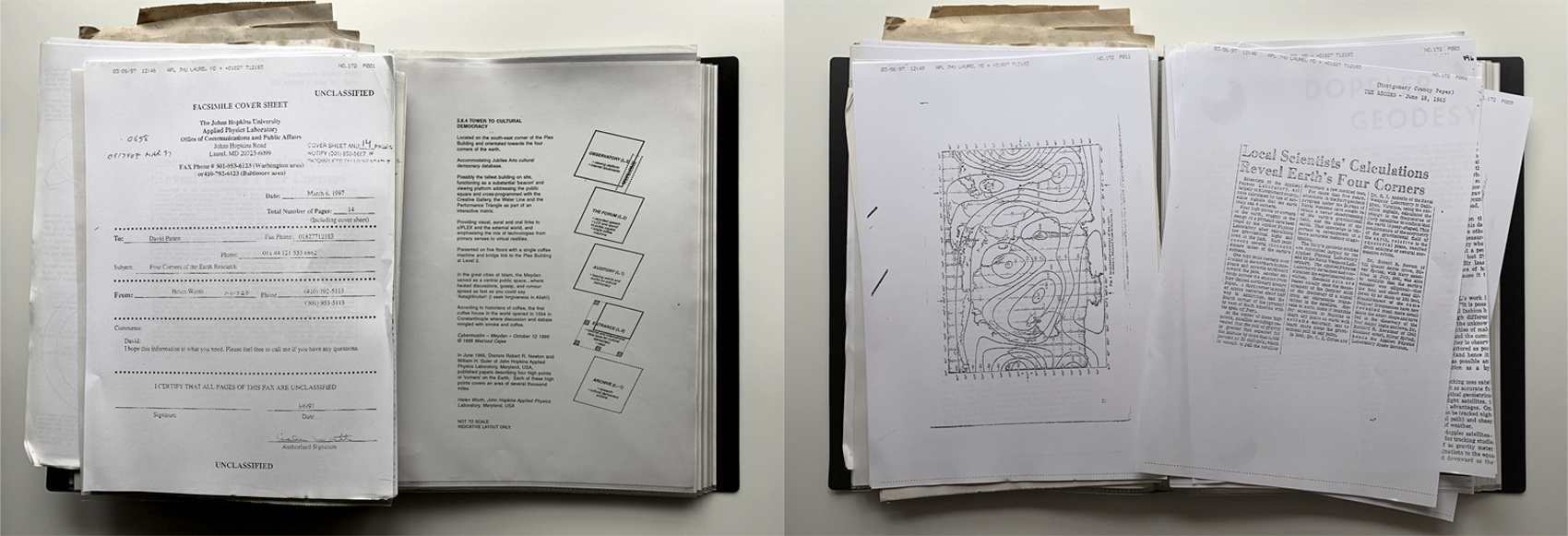
PDF: 10 Thoughts on the Tower of Cultural Democracy
PDF: 1993 Gillian Rose | Tower of Babel
PDF: Jubilee Archive | In Search of Cultural Democracy
PDF: c/PLEX Diagrams

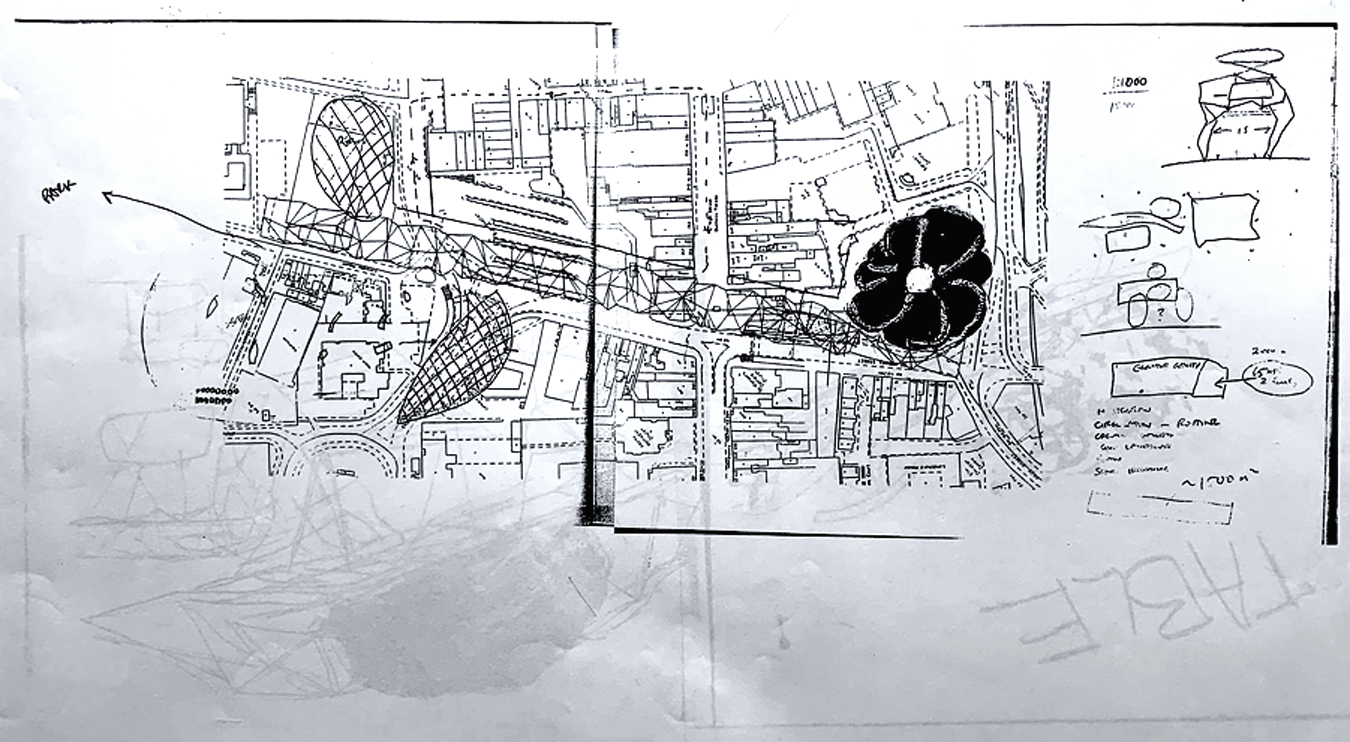
PDF: c/PLEX Review January 1998

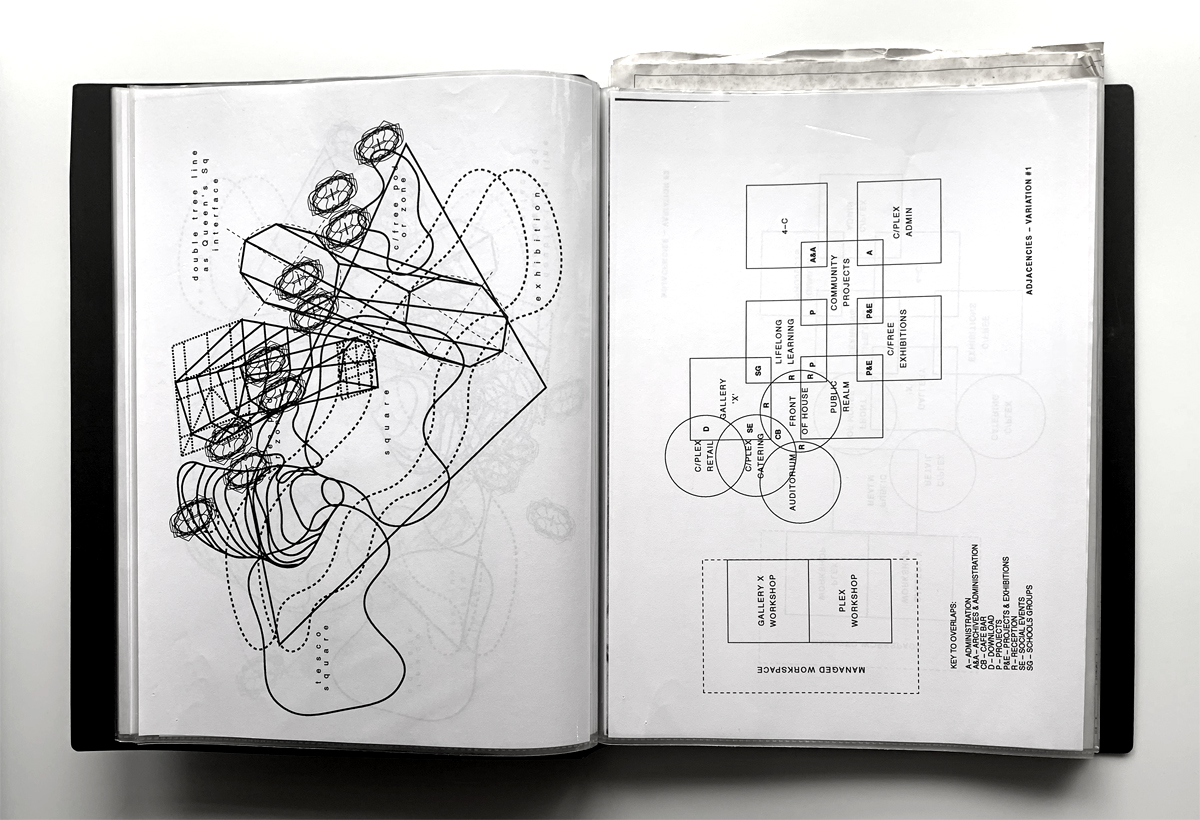
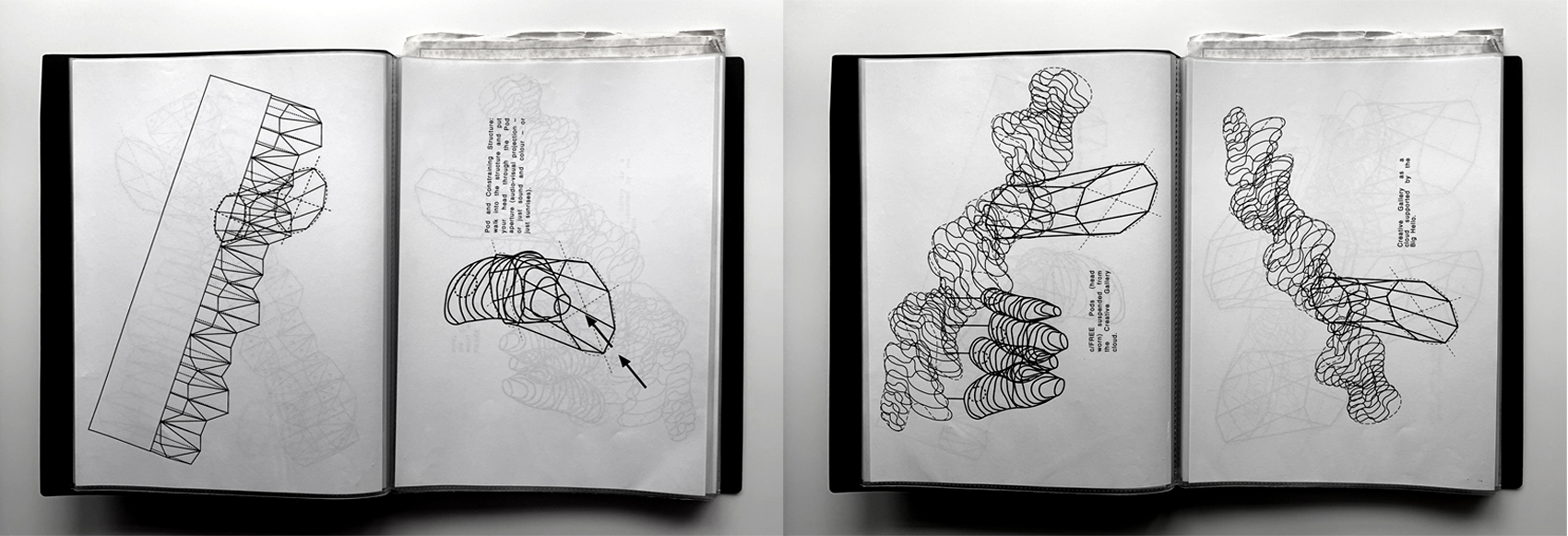

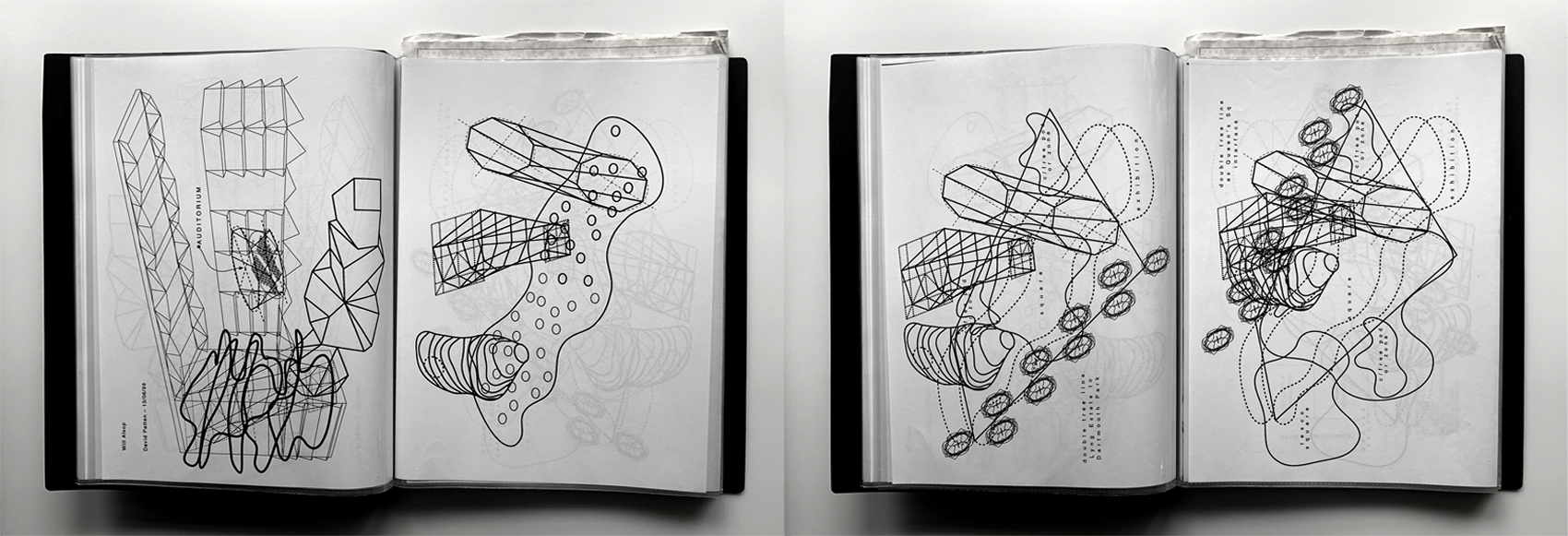
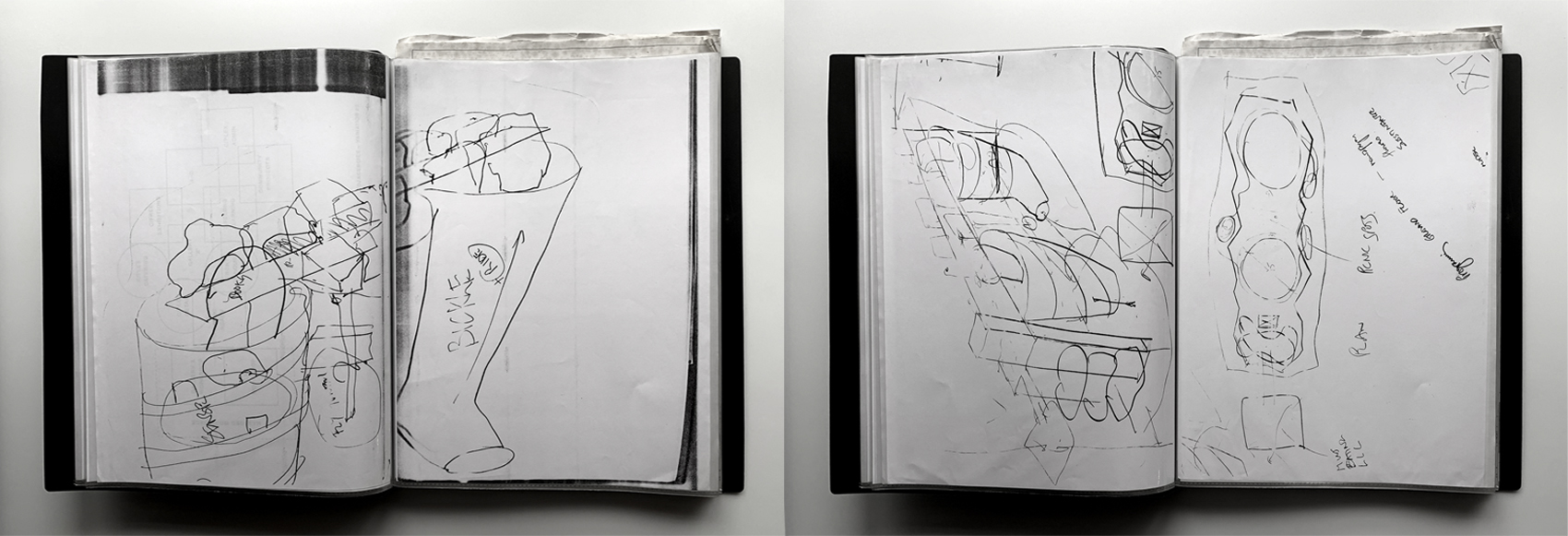
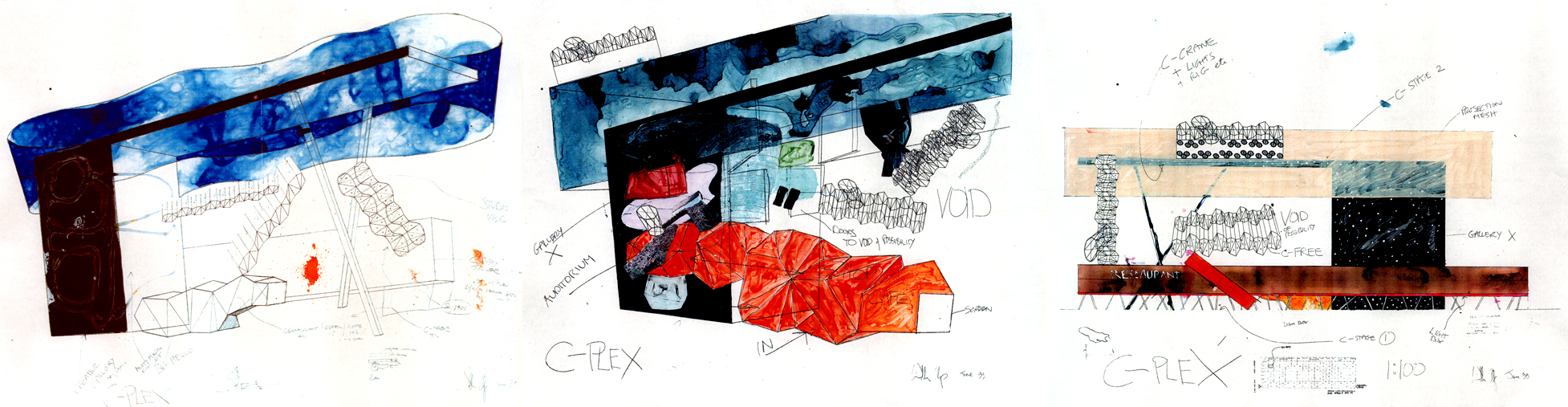

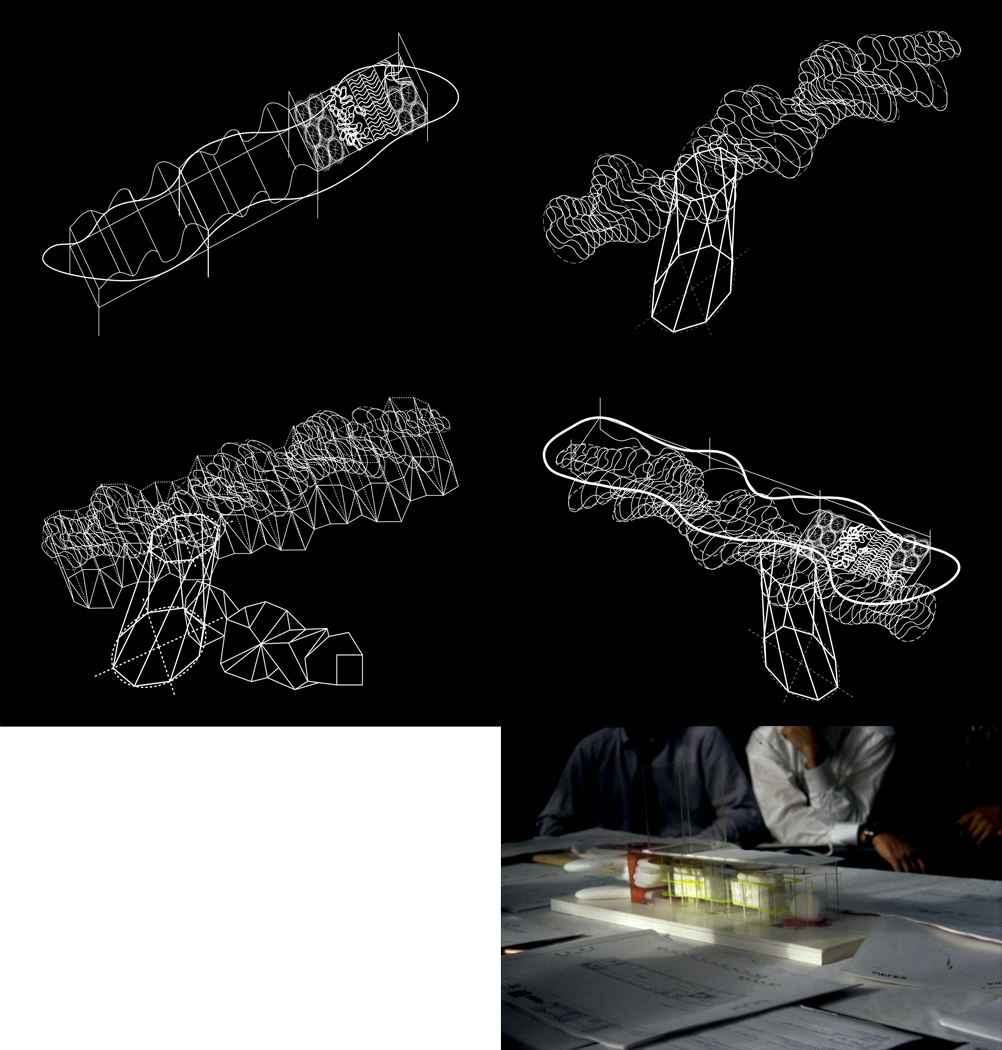
2000 Public Art Journal Vol 1 #3 2000 (Art & Social Exclusion)
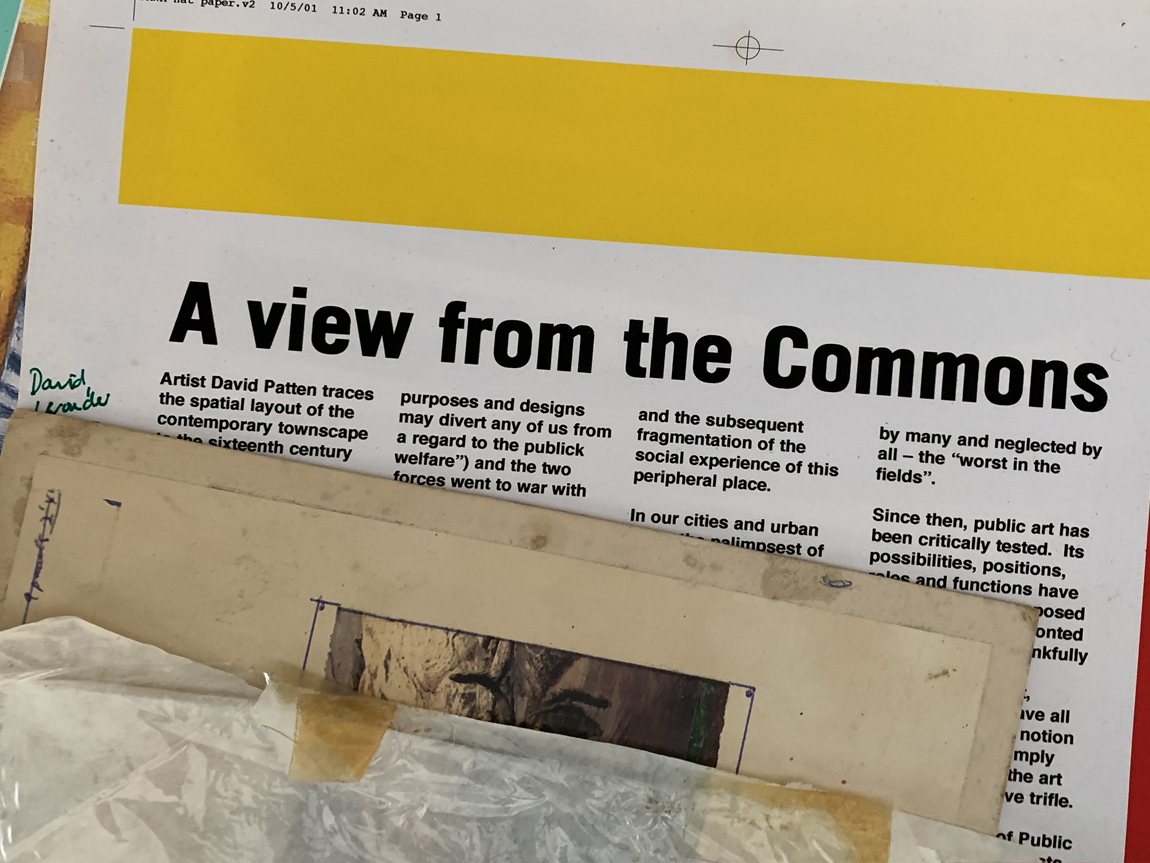
2001 ‘A View from the Commons’
Note: aligns with the commons by embedding non-closure + prioritising process over object + modelling perceptual negotiation + refusing individual expressive authority.
[. . .]
From Baltimore, through Barcelona, to Birmingham, public art has played a key role, albeit as a simple device, for promoting new urban images attractive to the restructuring of the global economy. The city of ‘B’, for example, once built “a truly international civic square”. In the related press releases of the time, this new public space was described as having “one of the largest” fountains and “one of the largest” public art schemes, and required “one of the largest” programmes of simultaneous planting of big trees as part of “one of the largest” pedestrianisation schemes.
At a time when size mattered, the American art critic Patricia C. Phillips began describing public art “as a forum for investigation, articulation and constructive reappraisal.” In the context of the new sites and forms, and the constructed histories, associations, and cultural meanings of the new artificially stimulated city regions, Phillips wanted public art to recover “the commons as the symbol, if not the site, of public life.”
The commons—that ‘seat of disorder’ and ‘seed plot of contention’, possessed by many and neglected by all—the “worst in the fields”.
Since then, public art has been critically tested. Its possibilities, positions, roles and functions have been thoroughly opposed and defended, confronted and contested. Thankfully there is still no consensus. Except, perhaps, that we have all moved beyond the notion that public art is simply the application of the art object as decorative trifle.
[. . .]
The task now is to reposition the activity of public art itself. To recognise that it can intervene positively in the social process of reconstruction to expose the fracture between the development of policy and the delivery of valued-based outcomes. Too often policy has been seen as something fixed and its outcomes as non-negotiable and predetermined. And too often the public artist has been engaged by policy at too late a stage to open up the new possibilities and responses required by these more complex times.
Public art as a forum for constructive reappraisal and the recovery of the notion of the ‘commons’, through action-centred and investigative approaches, is an important signifier that the possibilities for people, identity and place should still be vigorously contested.
PDF: 2000 Venice Biennale of Architecture
Massimiliano and Doriana Fuksas: ‘Less Aesthetics, More Ethics’, Venice Biennale, 2000
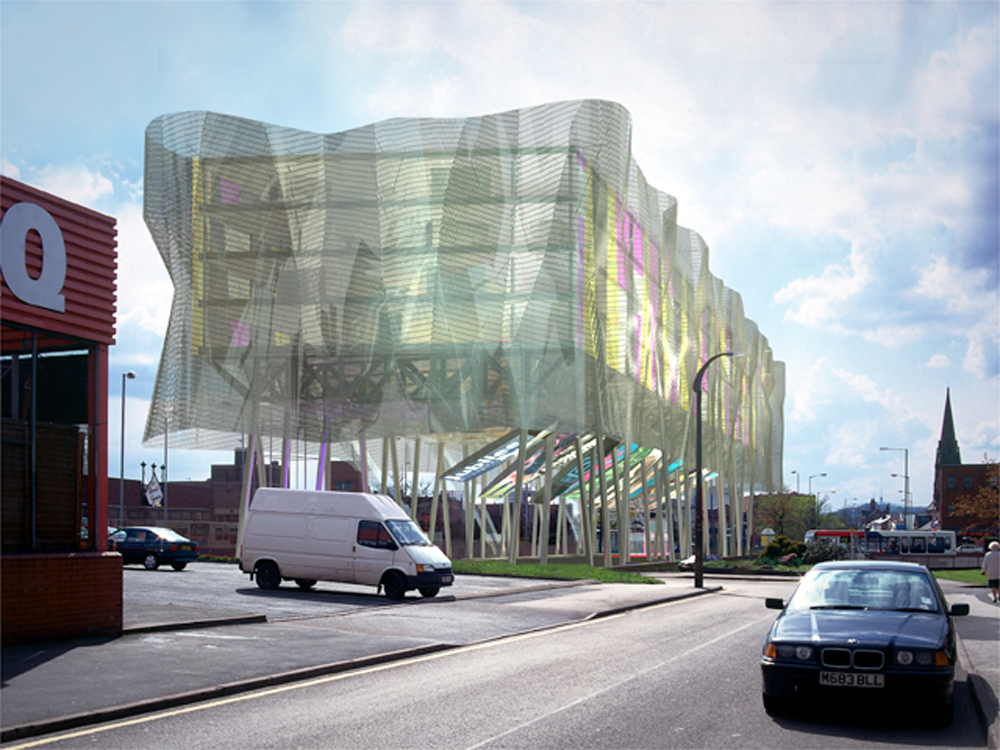
“The main room of the British pavilion is given over to a cartoon-like model of Will Alsop’s design for c/PLEX, a public arts centre for West Bromwich. Alsop is the architect of the spirited new public library in Peckham, south-east London, a big character who likes to make a splash with challenging buildings that seem part amoeba, part mechanism. The c/PLEX model, a great burst of party balloon-like colours, is installed in a room painted by Alsop and slashed across with architect’s slogans. It must have made culture secretary Chris Smith happy when he came for lunch, for rarely has the message of accessibility and art for all in the regions been more clearly spelt out – yet in a way that also appeals to those who believe that architecture should be more than just polite.”
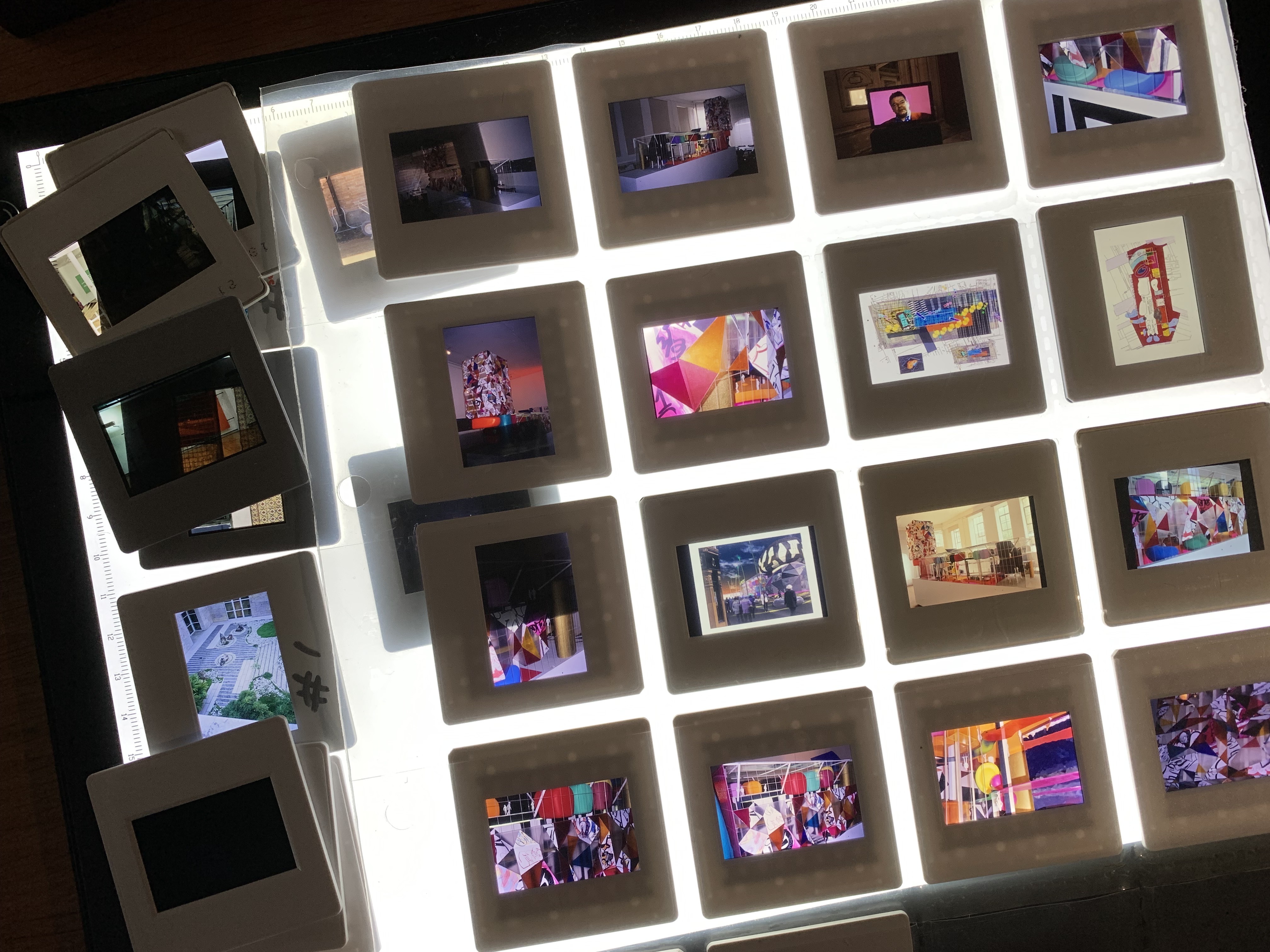

PDF: 2000 Venice Biennale c/PLEX Fly Thru
PDF: 1980s_DP07.06.2012
PDF: c/PLEX & Cultural Democracy
PDF: Will Alsop | c/PLEX
30.05.2000 / Found 30.03.2020

2001–2002 Town Square West Bromwich, sub–consultant to Alsop Architects
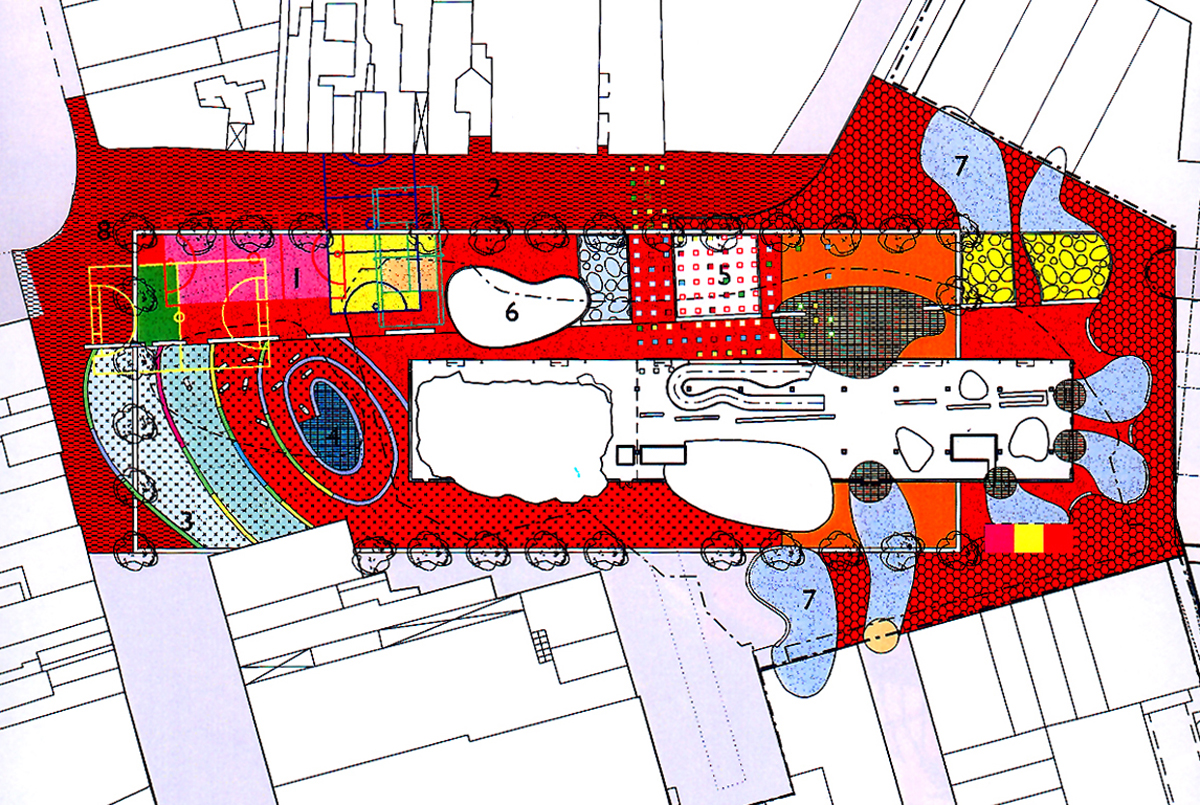
PDF: 2001 Town Square DP
PDF: 2002 Alsop c/SQUARE
PDF: 2004 THEpUBLIC Project Description
2004 Town Square West Bromwich, Lovejoy Birmingham

 David Patten