Speaking of the future…the artist’s preference for the language of “projecting” / I was reminded of an essay published in 2002 by the Russian art theorist and philosopher Boris Groys: “The Loneliness of the Project,” one of the defining documents of millennial art culture. Starting off with the dramatic claim that “the formulation of diverse projects has become the major preoccupation of contemporary man” and that “these days, whatever endeavor one sets out to pursue in the economic, political or cultural field, one first has to formulate a fitting project in order to apply for official approval or funding of the project from one or several authorities,” Groys maintains that “above all else, each project strives to acquire a socially sanctioned loneliness.” [Boris Groys, “The Loneliness of the Project,” New York Magazine of Contemporary Art and Theory 1, no. 1 (2002).] That is to say, the formulation of a project requires a certain degree of conscious long-term isolation that is nowhere more generously accommodated, it often seems, than in the contemporary art world. This is partly why Groys believes that “in the past two decades [starting in the 1980s, in other words] the art project—in lieu of the work of art—has without question moved to center stage in the art world’s attention.”
The exemplary solitude of the artist is a function of the centrality of “project management” to contemporary art practice—and the artist’s career (“trajectory”) has become the supreme project that demands 24/7 management. Groys continues, “Each project is above all the declaration of another, new future that is supposed to come about once the project has been executed. . . . If one has a project—or more precisely, is living in a project—one always is already in the future.” / That is the subject of this essay: the image of the prototypical social practice pioneer, alone in front of the canvas, trying to make sense of pasts and futures alike—all the while seeking solace in the solitude of social work as seen from the painter’s remove. I think.
– Dieter Roelstraete: ’Notes to Selves, Trains of Thought’, Gagosian Quarterly, Summer 2024 Issue
1986 BBC2 General Studies Art and Upheaval: Art and Society
What use is art? How far should artists concern themselves with the social issues of their times? And if they do so, how effective is art as a means of moulding opinion? 12.40pm Monday 13 October 1986 (filmed in 1985).
Goldie talks to Brim and Bio about their experiences. We then see Goldie, Brim, 3D (Robert Del Naja) and other artists creating art in Birmingham city centre for a council run project. They also chat to local mural artists David Patten and Steve Field about their methods.
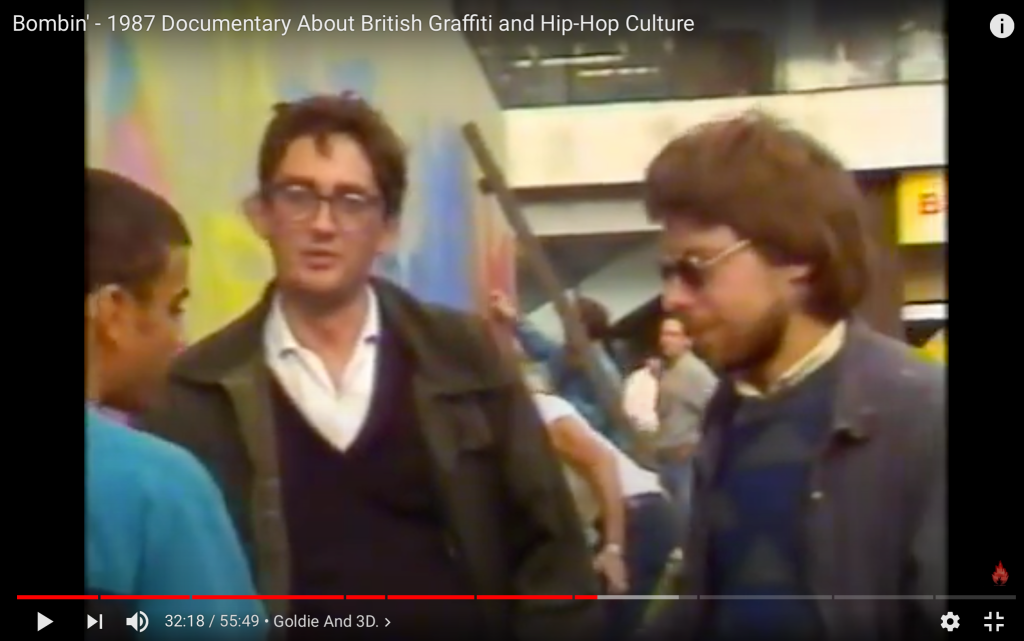
Sky Arts / Tuesday 1 December 2020 | 21.00 Goldie: The Art That Made Me | New. Renowned visual artist and musician Goldie goes on a personal and passionate journey into the world of graffiti and street art.
1986 Jubilee Arts, Noose Lane
“Noose Lane was memorable, of course, not least because of all the football we played and the cans of graffiti spray paint we got through. Increasingly, though, it became more about simply making life-size self-portraits with Black youth at a time of considerable urban deprivation and unrest. This found better shape in questions about self-representation and cultural democracy within Jubilee, and the impact all this might have on meaningful community arts and later place-building art projects.”

LINK: The Jubilee Arts Archive 1974-94
1992–1994 Sheffield Hallam University – Co-Lead Artist with Jane Kelly


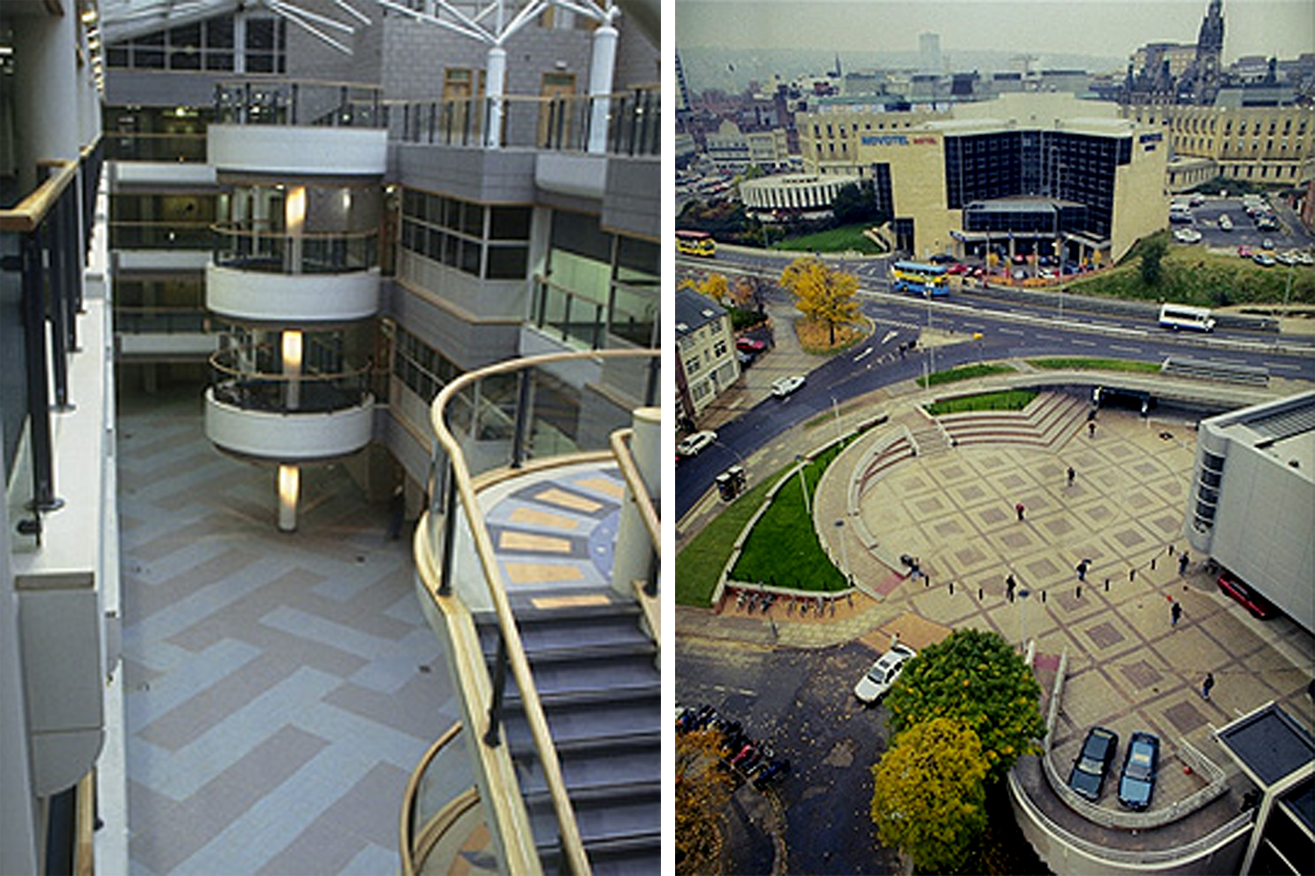
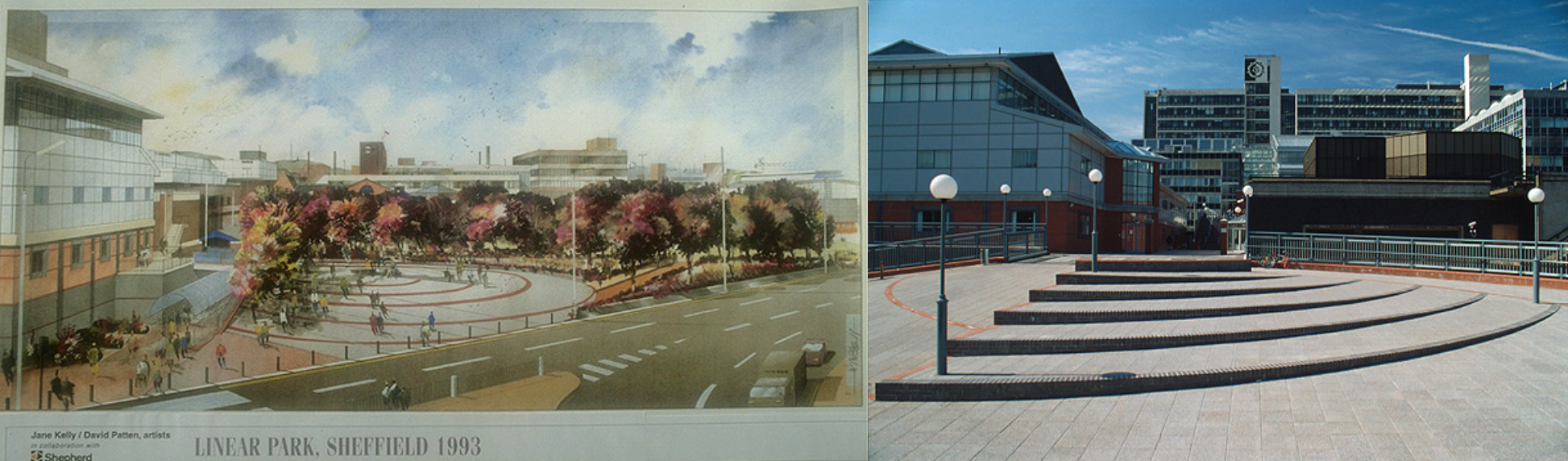
PDF: 1992 Art in Public
1992–1994 Cardiff Bay Tyndall Street Design Team – Co-Lead Artist with Jane Kelly
1993–1994 Cardiff Bay Bute Square and Avenue Design Team – Co-Lead artist with Jane Kelly and Jack Mackie, with MBM Architects (Barcelona).

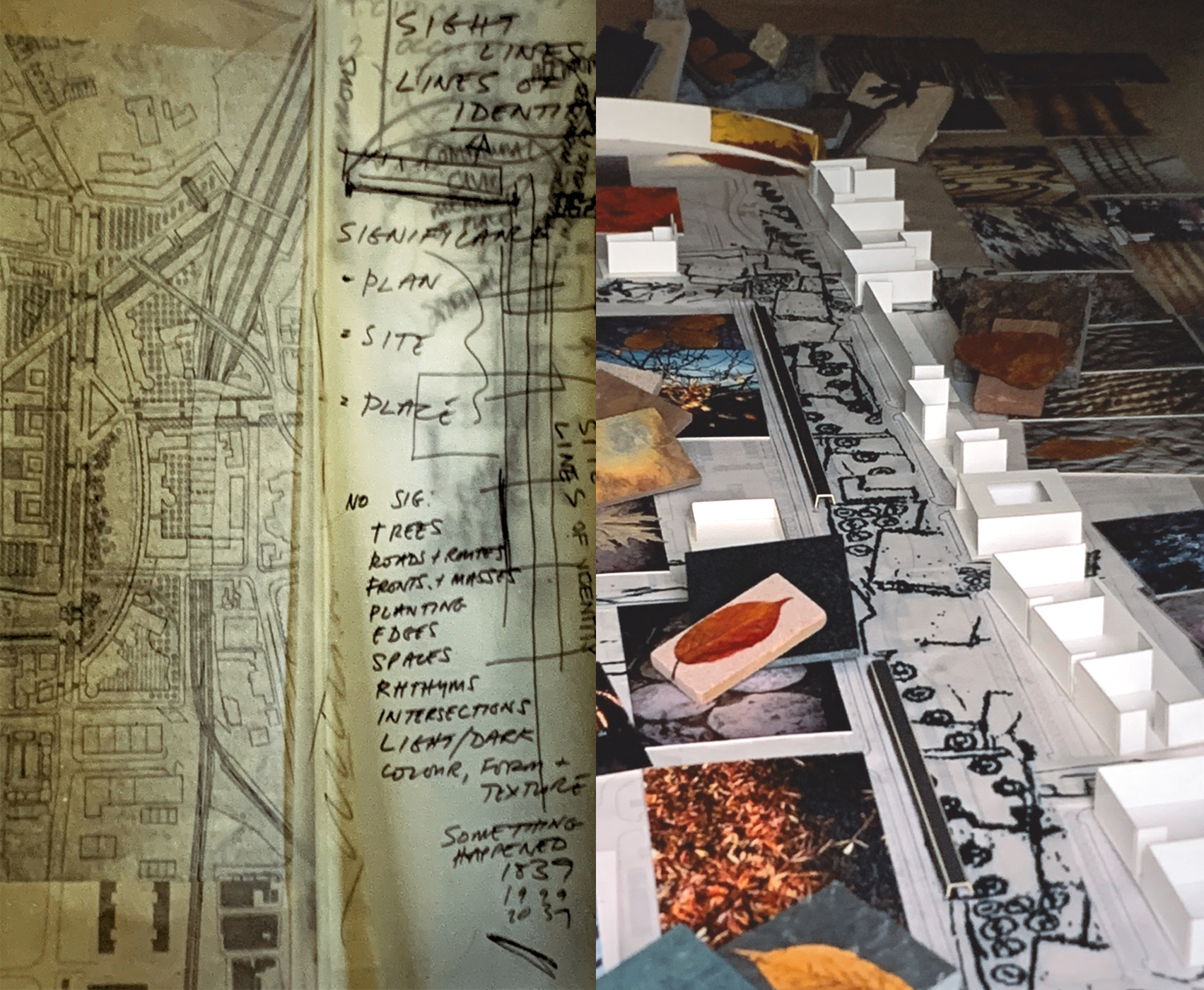

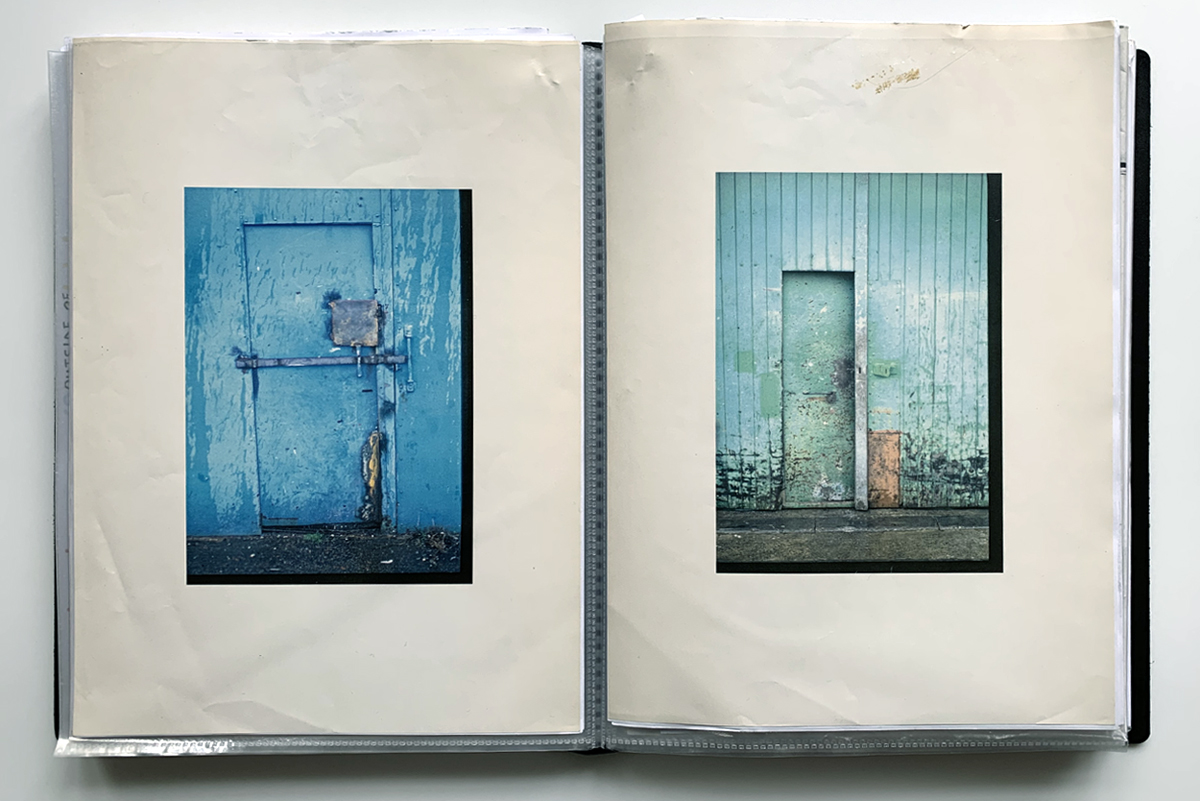
PDF: Cardiff Bay | Artists Approach 1993
PDF: David Crawford | Bute Avenue
PDF: Cardiff | Jonathan Toon, 2012
2003 Irish Centre, Birmingham (pro/POSIT with BPN Architects)

2003–2008 Hinckley Building:Building Hinckley (pro/POSIT with BPN Architects)
Atkins Bros. Factory, Hinckley | 17th March 2008
“The destruction of historic buildings is…more often…the result of failure to make imaginative efforts to find new uses for them…” [ref. PPG15 3.16]
For the purposes of this study, the former factory buildings being considered for new use are the 1875-77 (extended 1909-10) block that runs along Baines Lane before turning onto Lower Bond Street, and the 1909-10 extension that continues the factory along Lower Bond Street. In total, the two buildings measure approximately 3800m2 over four floors.
The earliest block was designed by Joseph Goddard in partnership with Alfred Paget, and the later block by Henry Goddard in partnership with William Catlow. For convenience, this study refers to both buildings as the Goddard buildings. On the 8th February 2006, the Department of Culture, Media & Sport, under Section 1 of the Planning Act 1990 (Listed Building and Conservation Areas), added the Goddard buildings to the list of buildings of special architectural or historic interest.
Partnership with Bryant Priest Newman Architects on new build and refurbishment design options for education and creative industries. Green Apple Environment Award 2014.
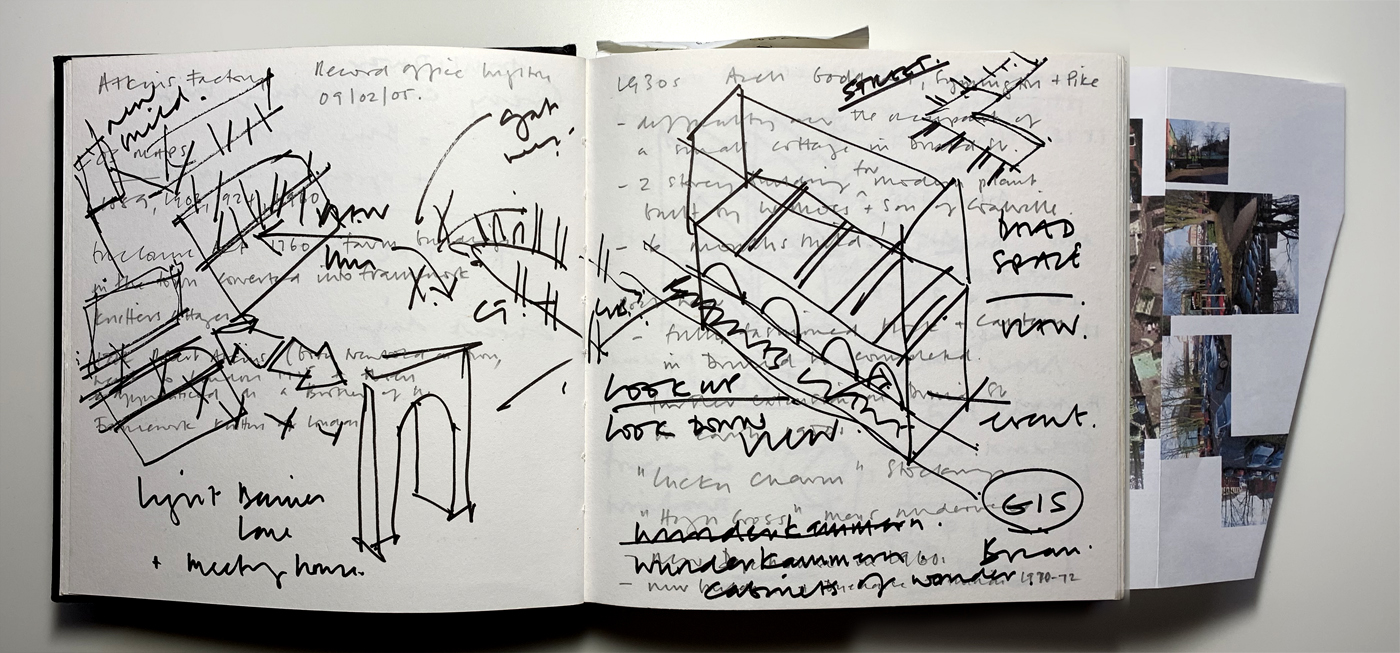

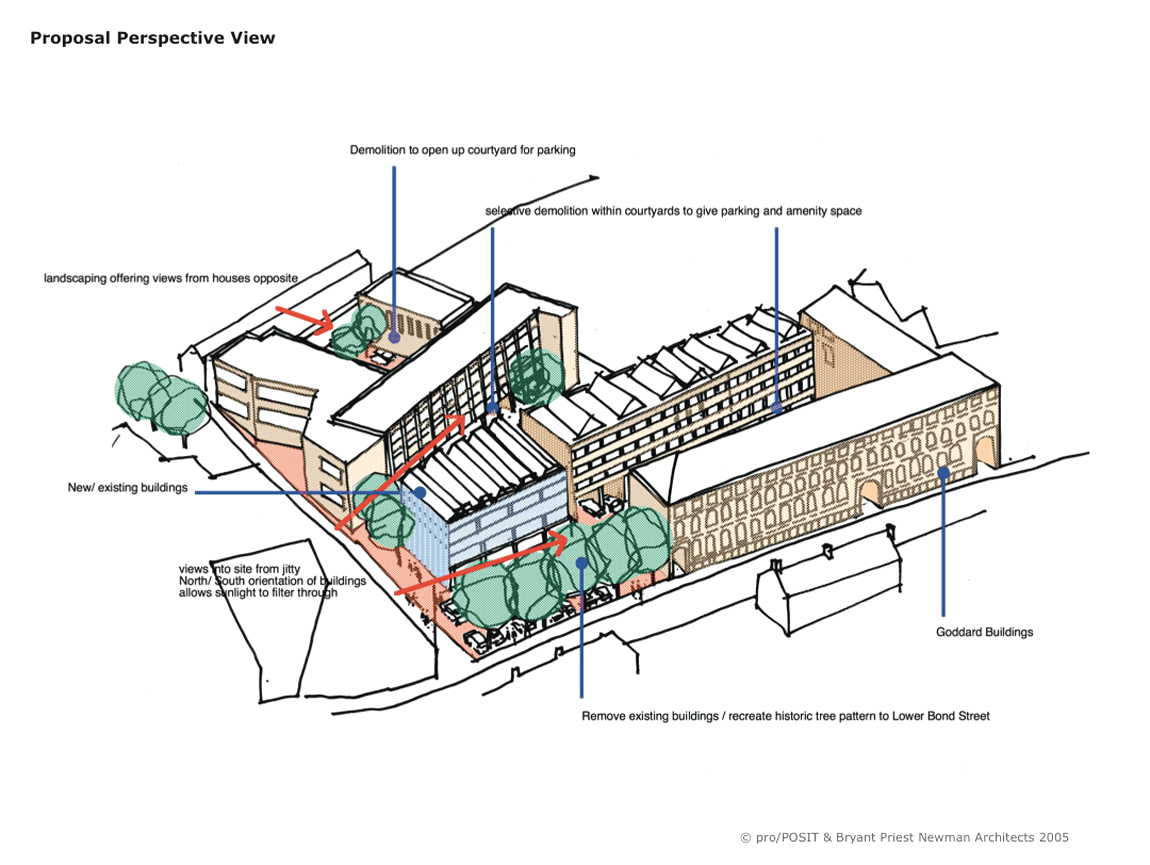
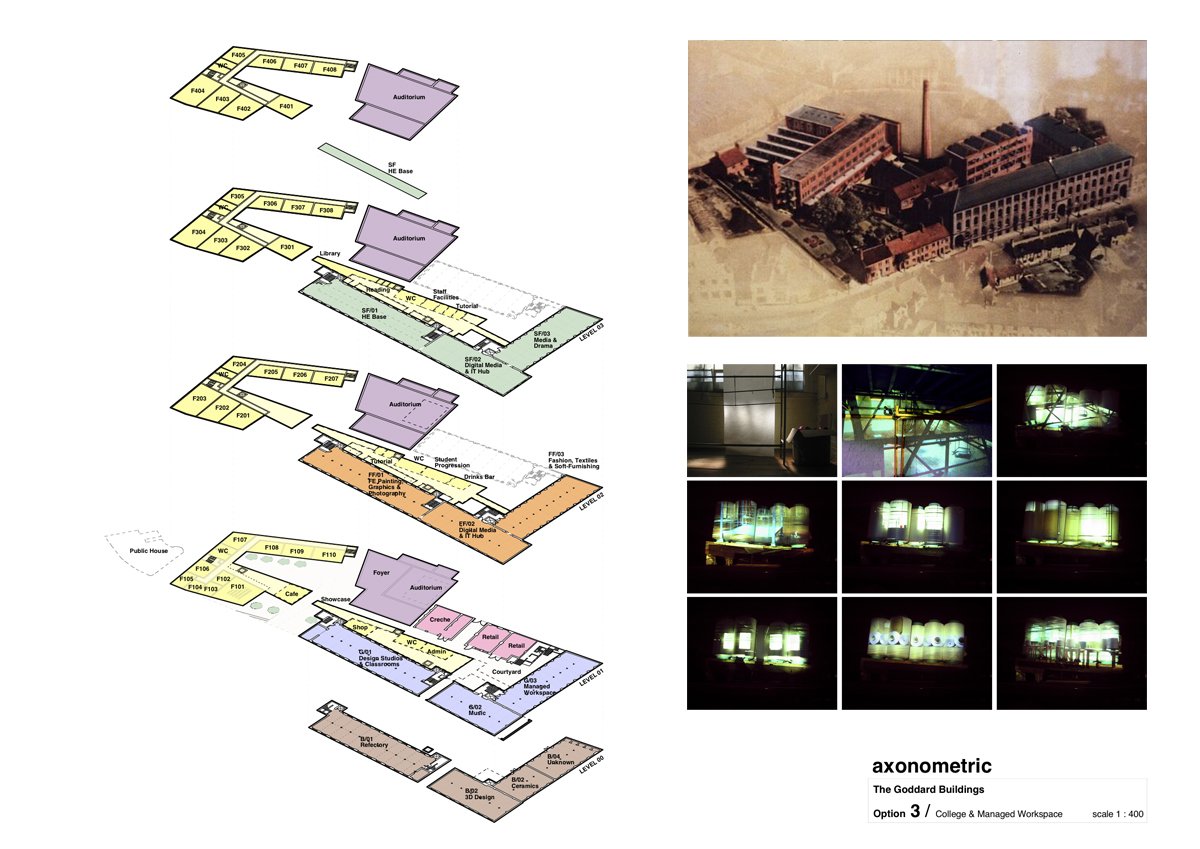
PDF: 2004–2005 Hinckley Building-Building Hinckley (pro/POSIT)
PDF: 2004–2007 Hinckley Building
PDF: 2003–2005 Atkins Factory | Images
PDF: Draft Atkins Report | less costs
PDF: Goddard Study BPN | less costs
PDF: 2008 Atkins Building | Planning Text
PDF: Atkins Hosiery Factory, Hinckley
2004–2005 Culture & Regeneration Study, Corby BC (pro/POSIT)
Approaches, action plan and funding profile informed by the local, sub-regional and regional contexts, plus design principles for three ‘gateway’ roundabouts.
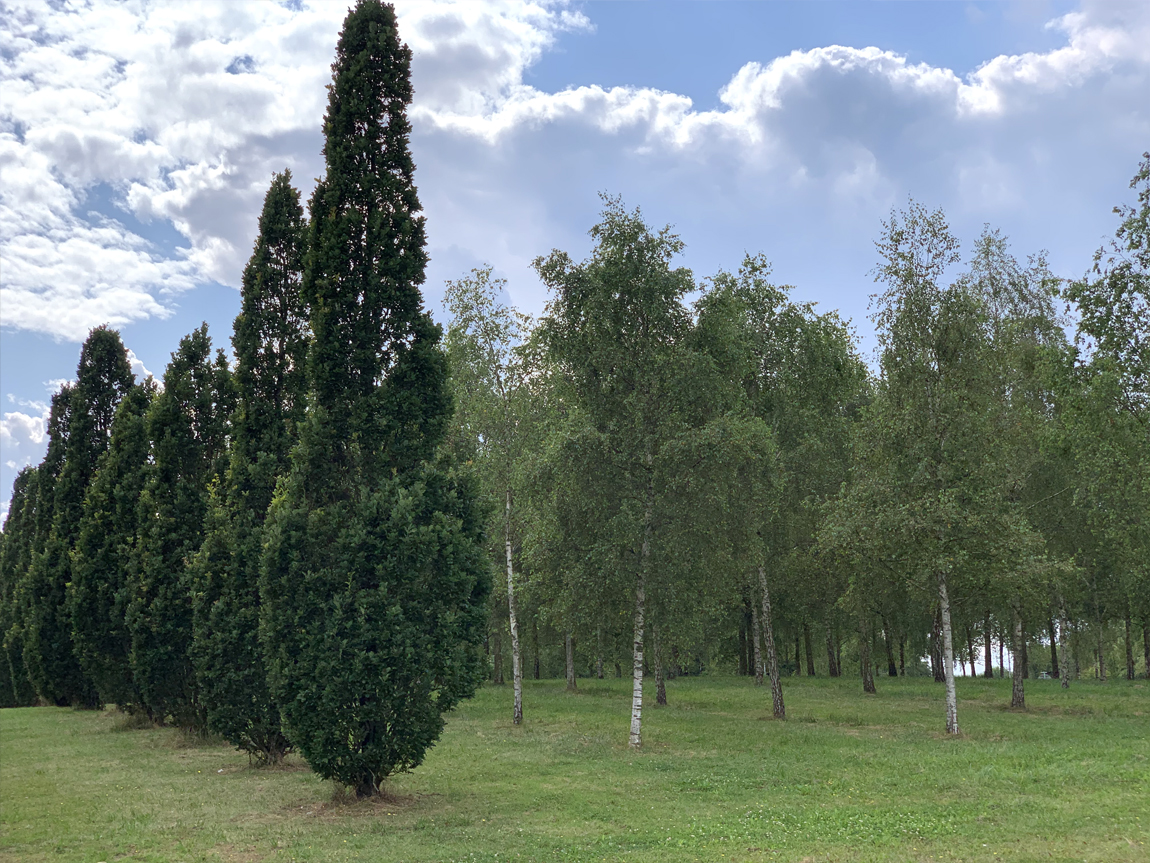

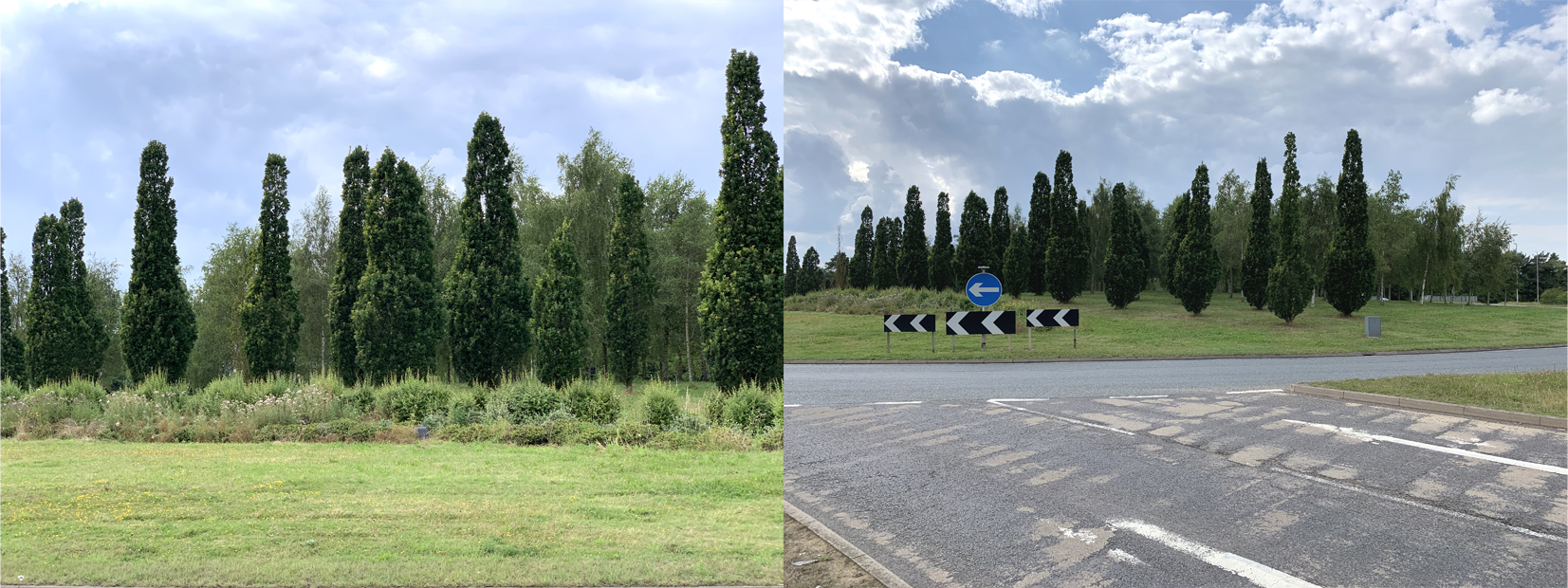
2007 Castle College Maid Marian Way Campus, Nottingham (with Lovejoy Birmingham and Kathryn Moore)
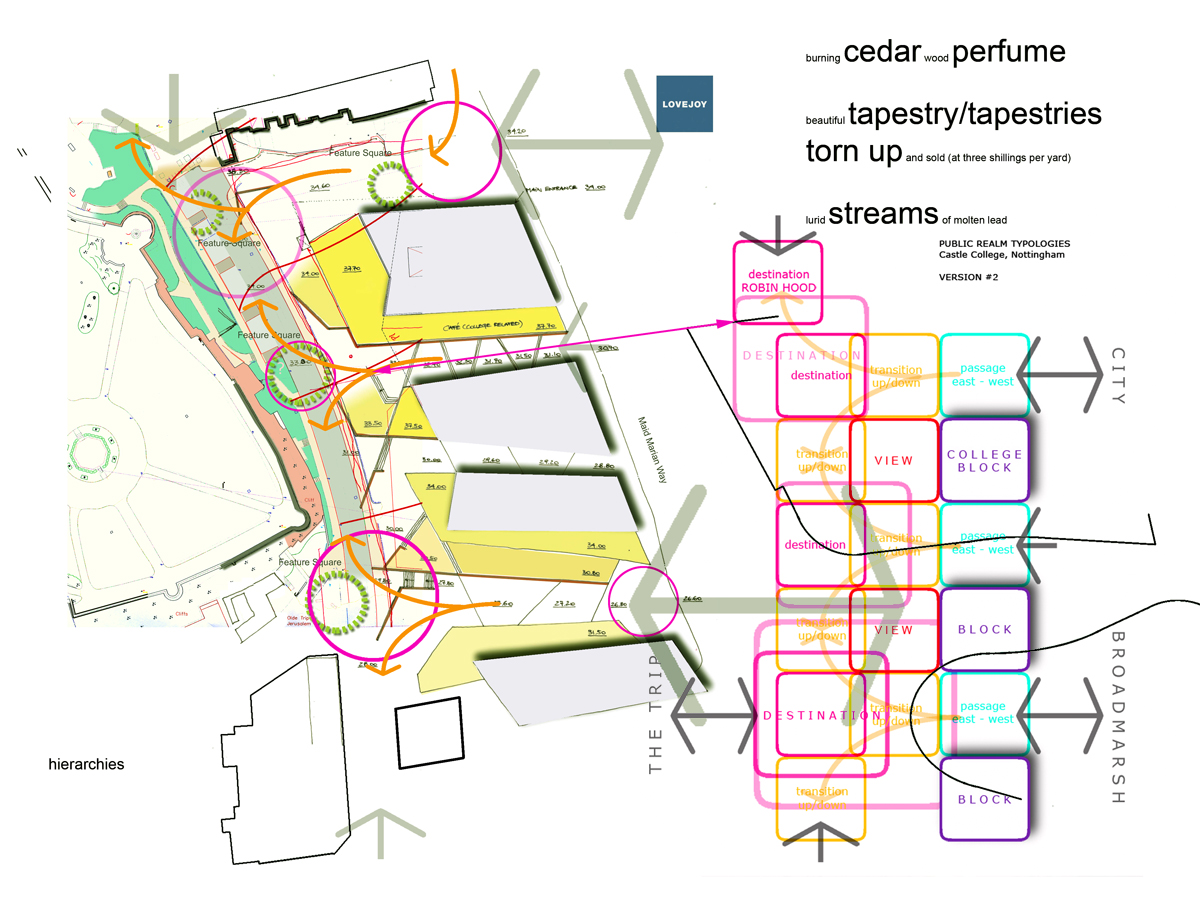
PDF: 2007 Castle College Nottingham
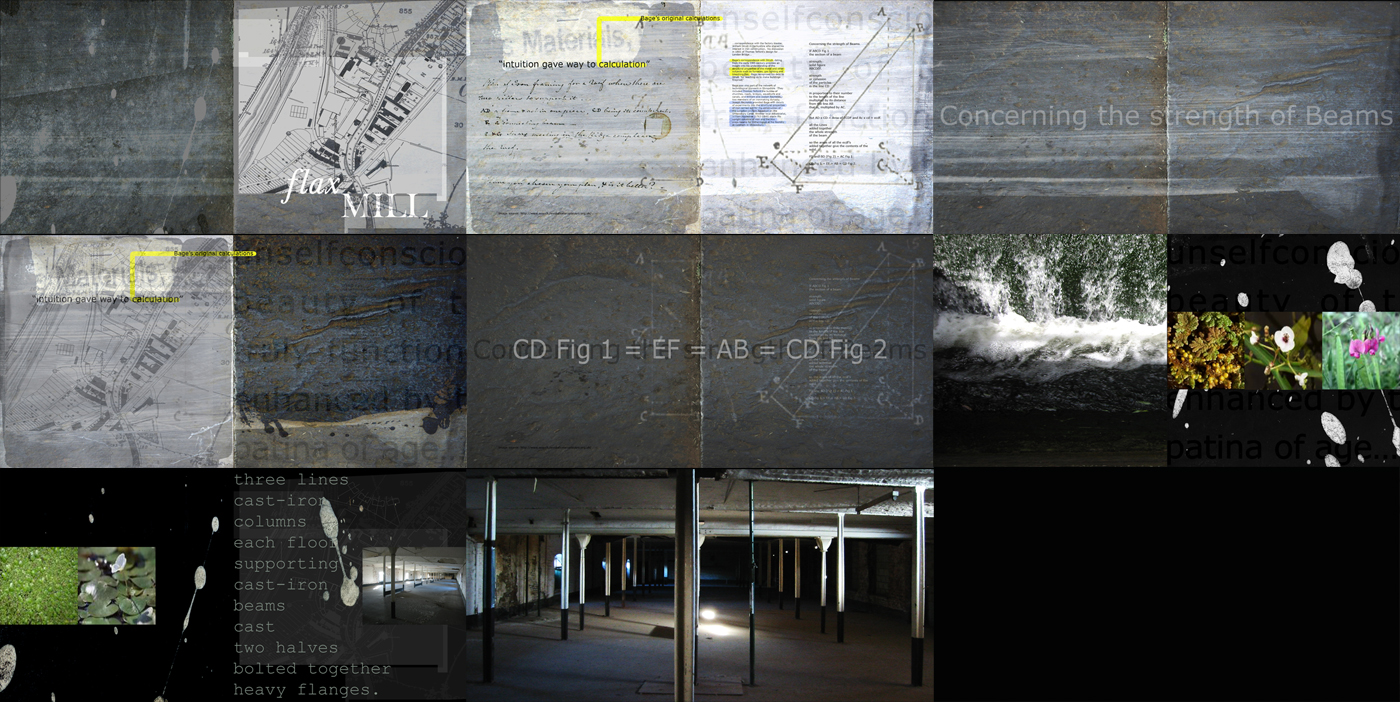
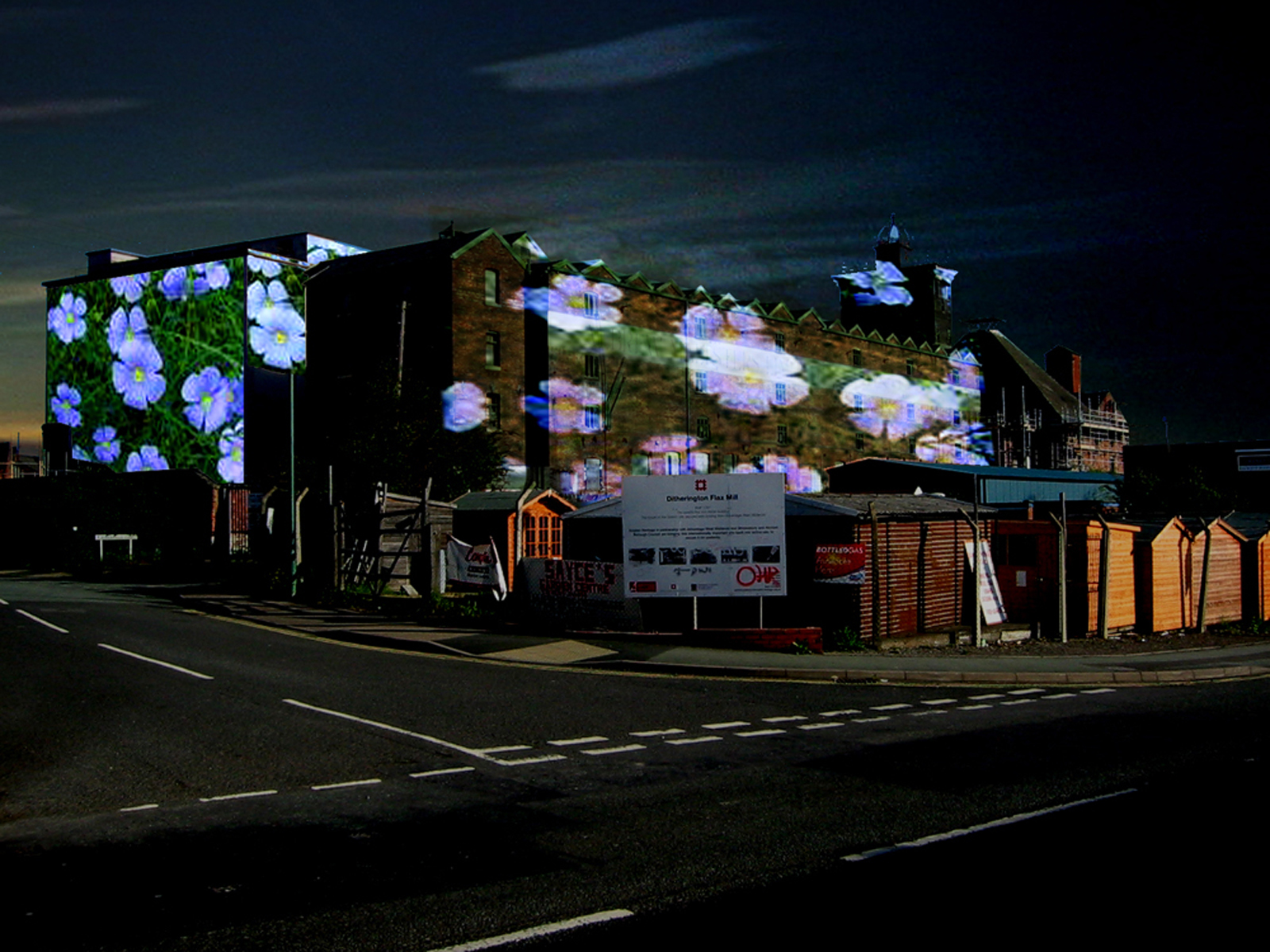
2007 Flax Mill Sketchbook, Shrewsbury (with BPN Architects, PCPT Architects and MacCormac, Jamieson Prichard Architects for CDP)
2008 Health Quarter, Walsall (BPN Architects)

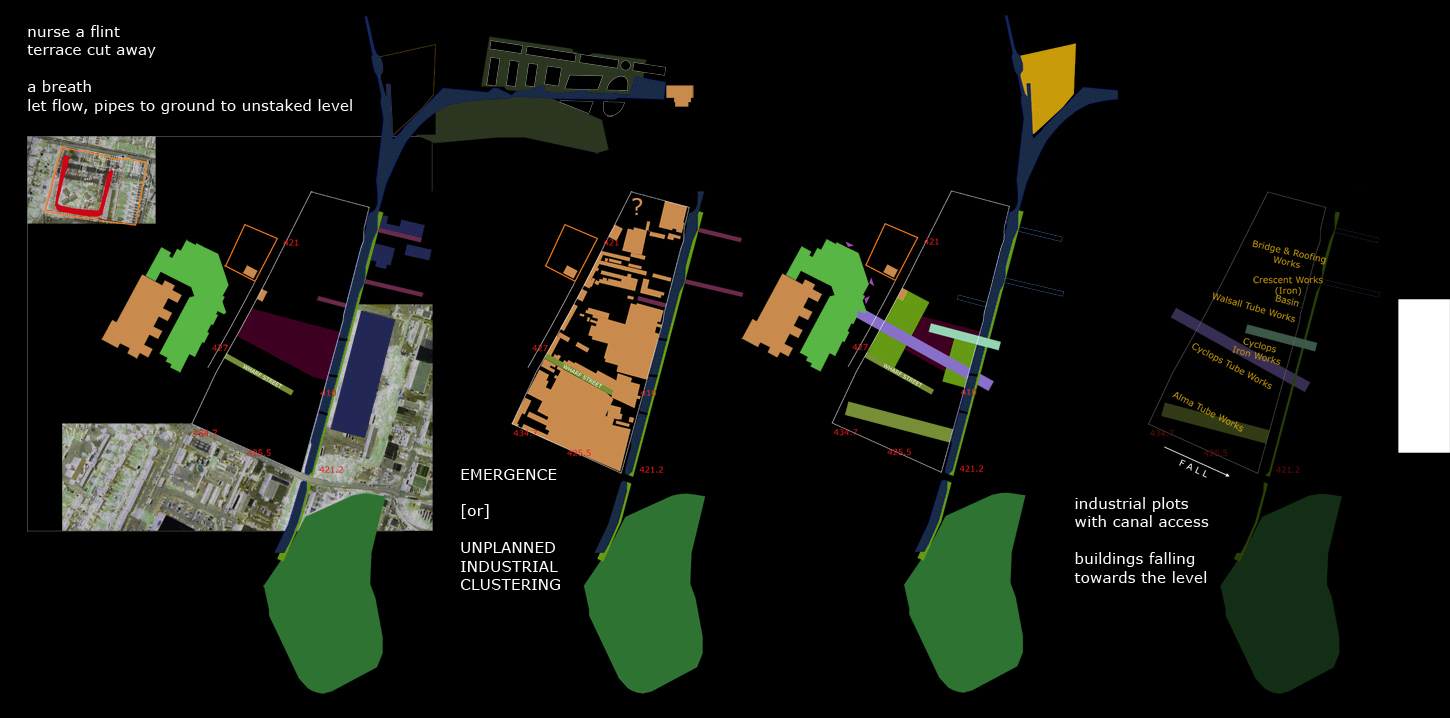
PDF: Pleck Road, Walsall | BPN 2008
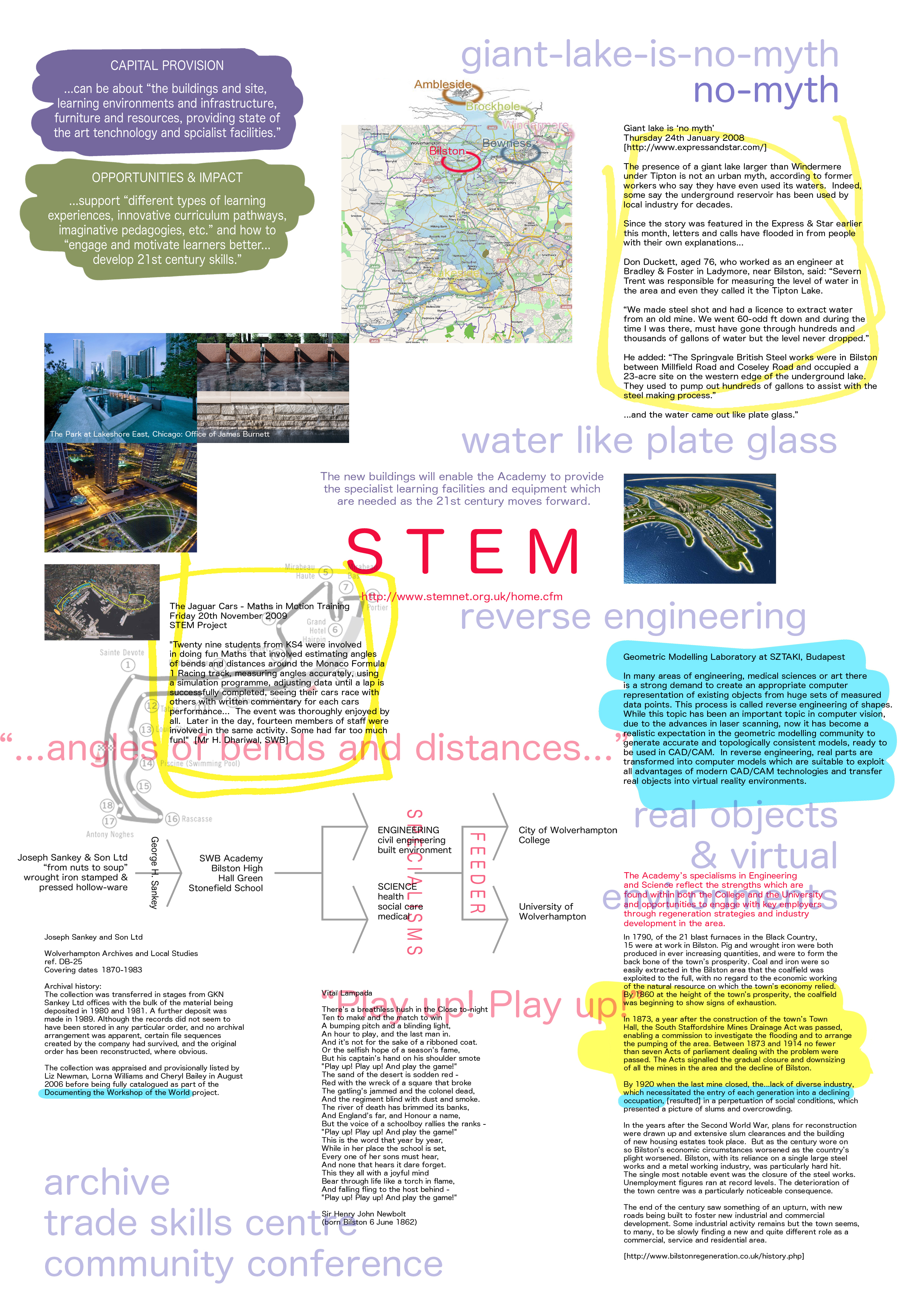
2008 Rally Park, Leicester (with Capita Lovejoy and Kathryn Moore)
PDF: 2008 Rally Park, Leicester
PDF: Rally Park | report extract [small]
2008 Holy Bones, Leicester (with Capita Lovejoy)

PDF: 2008 Holy Bones | Draft Text

2011–2012 Gravesend (with Define)
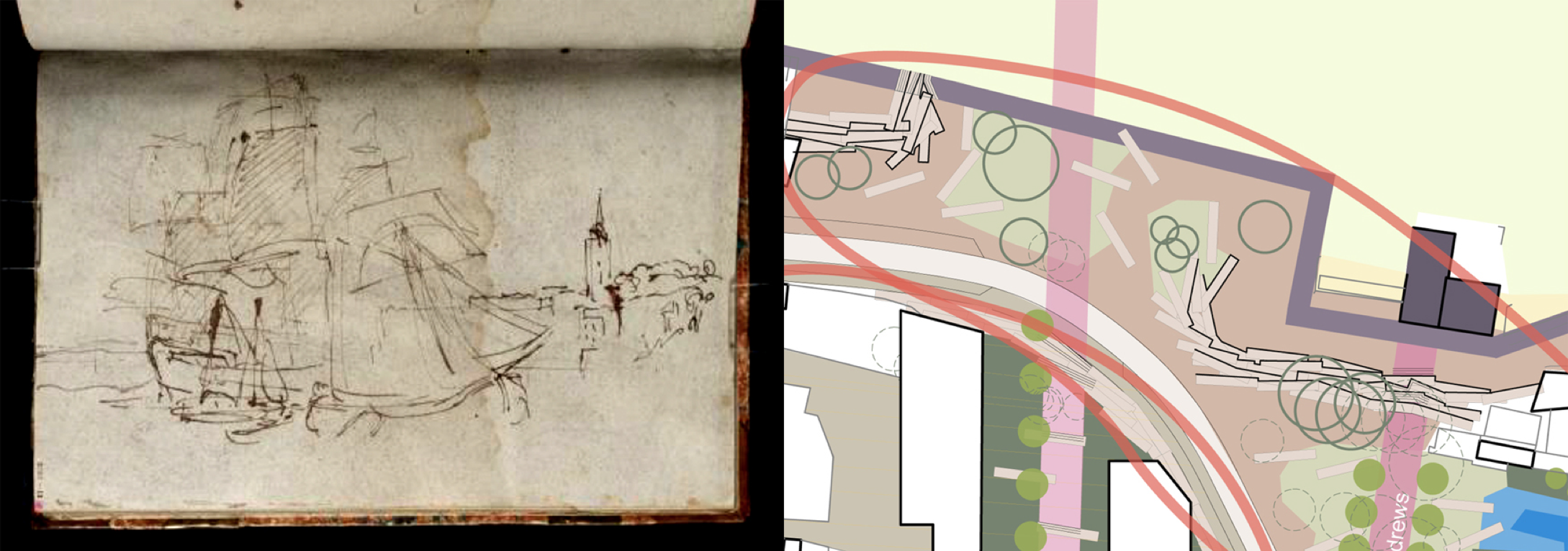
PDF: 2011–2012 Gravesend | Define
2012 Snow Hill Gateway, Birmingham (Define)
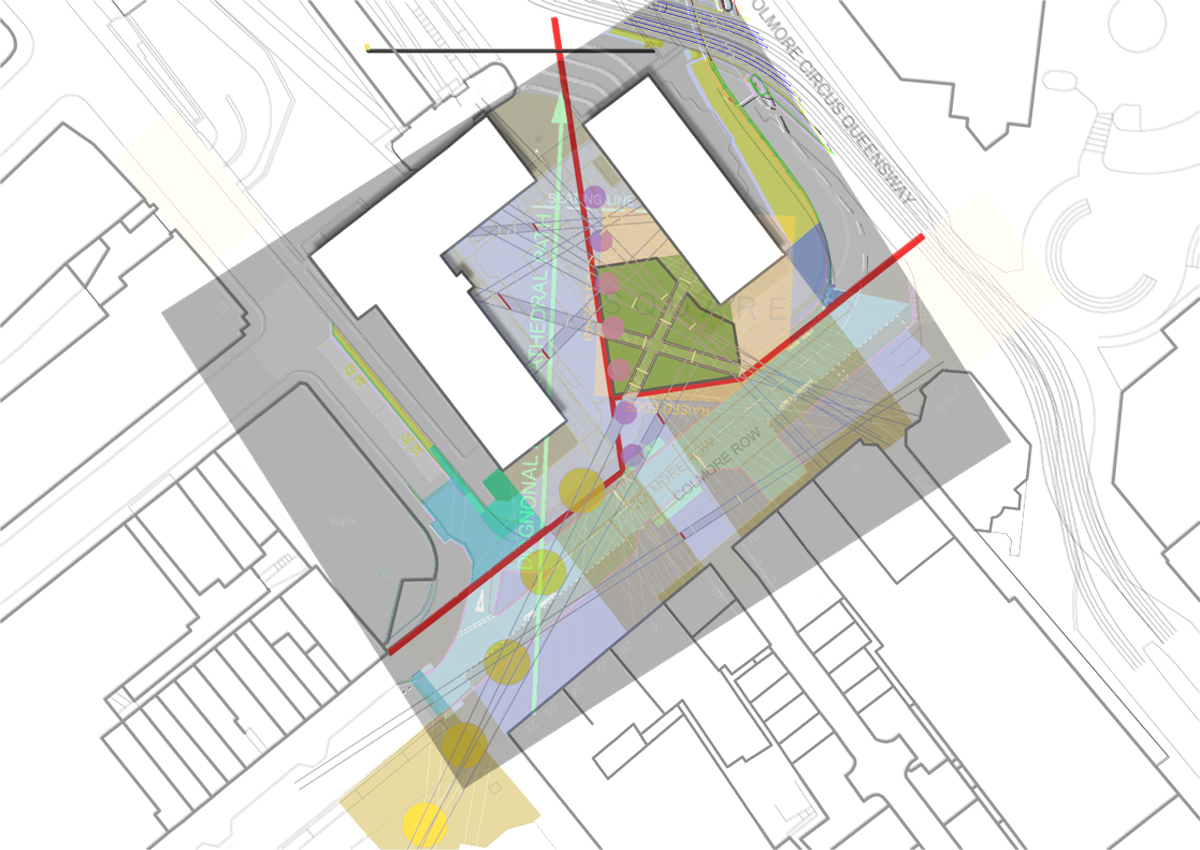
PDF: Snow Hill Red #3
PDF: Snow Hill Stories #6
PDF: enough | Brummagem
 David Patten